Galactic Nuclei

The first thing I noticed when I walked into the lab was how loud it was. There was an intense humming coming from a large metal crate, and a ventilation that created an additional whooshing noise. I almost had to shout to be heard over the noise as I said hello to the people with whom I would be working on MUSTANG-2, a cosmological project in the department of Astrophysics at University of Pennsylvania. The people in the lab were my sponsor, Sara S., a tall, friendly, and confident graduate student, and Simon, a kind, soft-spoken researcher who visited UPenn from England and met his wife. The two were managing the huge crate of electronics, fitted with five different computers, and a gigantic, homemade cryostat (to cool materials down to within fractions of absolute zero). Sara introduced me to the general idea of the materials they were using, and then sat down to solder some pieces together on the lens of the telescope. As she worked, she told me about the goal of the project.

The types of things one would find in the UPenn Experimental Cosmology lab

“The metal crate has four different computers that output signals from our detectors to the main computer where we read the data. Our detectors are only made in a few places in the world, and we have one of the highest resolutions available, with many more pixels than most telescopes. We’re going to bring this apparatus down to a gigantic telescope in Virginia, where light will bounce off a large mirror and focus onto our lens, which will be cooled down to millionths of a Kelvin away from absolute zero. The signals will travel along the wires, which, due to their coldness, will become superconducting. The infrared rays we measure will be registered on a series of resistors, which will change in resistance rapidly with changes in temperature. Then, we can create what is essentially a heat map of galaxies in the universe in order to learn how they were formed and what they’re doing now.”

Wow.

Thanks to T. Larry’s successful efforts to control and teach my Physics 4 class, I understood at least a fraction of what Sara was trying to tell me.

“So, basically, we’re making a heat map?” I asked timidly.

“Yep!” she exclaimed with a smile. “And you get to help load the lenses into the cryostat!” A big responsibility for me, when each detector is worth thousands and the whole project has taken years of hard work. I sure didn’t want to drop anything!

While Sara continued to solder, Simon pulled one computer out of the crate, telling me it wasn’t ventilating properly. The resistance of the apparatus they had was higher than expected, which meant a higher base voltage had to be run through the circuitry in order to maintain the desired resistance, right on the edge of superconductivity. As a result, the computer and the crate were overheating, and something had to be done. We opened up the computer, which was sealed with metal tape to keep the signals from interfering with any technology, and took a look at the circuitry.

“See those parts right there?” asked Simon, pointing to a few bits of the circuit smaller than the nail on my pinky finger. “For seven months those didn’t work, until we dabbed a drop of silver paint under them. Seven months of failed work just to discover a unit the size of the head of a pin was not grounded correctly.” That floored me. I couldn’t even imagine working on something for seven months, only to realize one tiny thing was the reason I couldn’t look at the stars! Keeping the issue of grounding in mind, the problem was easily solved and the ventilation issue was resolved.

“I’m done!” said Sara when she finished soldering the central lens of the project together. She carefully carried it over to the cryostat, and I watched with bated breath, knowing it was the result of tens of thousands of dollars and years of work and research. We cleaned the parts that had to fit together with alcohol in order to create a vacuum seal, flipped the heavy cryostat over. The lens then went in the top, and had to be screwed in carefully. After Sara and I completed that, we put tape around the edges to ensure there were no light leaks hat would affect the readings. Then, three more lenses, each more delicate than the last, had to be installed, screwed in, and taped. Finally, a lid was placed on the top and screwed in to ensure a vacuum seal and no light leaks. The cryostat was loaded. We flipped it back over and admired the work. It was ready to be transported to Virginia, where it would be cooled using an isotope of Helium and then hung from the ceiling to absorb the light focused on the mirror. Then, we could look at the stars! It was incredible to be able to help install something that was state-of-the-art, something technologically advanced and important for the understanding of our universe. The theory I have learned in class on a microscopic scale was playing out in front of my eyes on a large scale, and I was able to take part in it! I could feel the excitement filling me as I looked around the room, realizing I could be a part of something like this, that I could help to explore worlds we know nothing about. I am excited when I look forwards to next week and the work I will do next, analyzing data and trying to understand the mysterious bodies that make up our universe. Stay tuned for more updates on the galactic nuclei heat map!

Mexico Day 2- Saturday, March 5, 2016

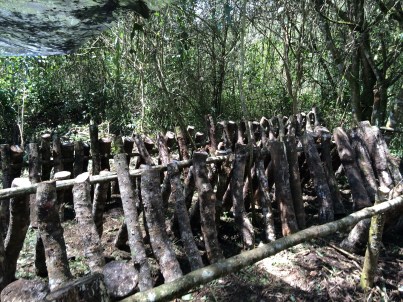
The day began at 7:00 AM with the daily chores. Since it was the first morning here, we did a walk-through of each of the morning jobs. First we went through the chicken coop—let them out, gave more food, changed the water, and swept up. Then we went to the geese coop—let them out, gave them food and changed the water, as well. The geese are definitely a lot less friendly. Afterwards, we went to the mushroom log area where it was my job to remove the logs harvesting in the water and replace them with new logs. Mushrooms are a perfect crop for this humid climate. Finally, we harvested a plethora of veggies, for the salad that we planned to eat for lunch and dinner. At this point, we finally got to eat breakfast, which was beans, Mexican styled eggs, and tortillas. The food, of course was delicious.

IMG_1872.jpg

IMG_1868.jpg

After breakfast we headed down to the mushroom log area, once again, to rearrange and label some of the log pieces. We established a nice system where some people wrote labels, some nailed the labels, and some carried them over to the new location.
IMG_1836.jpgIMG_1839.jpg

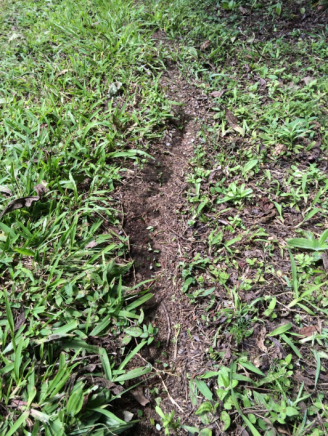
After the logs, we went over to work on the grey water system. On our way we crossed several leaf cutter ants super highways. Take a look. Ants, it turns out, were the first farmers – harvesting leaves to create compost to grow mushrooms in the underground homes!

Screen Shot 2016-03-06 at 9.27.32 AM.png

One of our themes this week is appropriate technology. One of the buildings we are staying in (Sam is there now) has been recently build. We are working on the grey water treatment system for this house. This task consisted of finding fairly large rocks and placing them in a series of 4 circular ferro-cement containers. Once completed, water from the kitchen sink and the shower will flow through these containers. The rocks we gathered and put in the containers plus the aquatic plants (which we will add later) will serve as a filter. The end result will be re-use of the household’s waste water to either water fruit trees or return harmlessly to the soil.IMG_1877.jpgEventually we ventured over to some neighbors who had the coolest house that I have ever seen. This savvy house was built in a way so that there were plants growing straight out of the ground right inside the house. In the photo you can see us in the center of this home. Hopefully we will get the opportunity to visit again.Edible House Visit.jpg

On our way back we picked up more rocks and then we had lunch. We ate some more tamales and the beans with tortillas. After lunch we had the opportunity to rest for a little and soon thereafter, we went on a five kilometer hike in a recovering 250 acre patch of cloud forest. It was only the four of us guys, machetes in hand, trekking though the woods. It was a beautiful sight, with many hills, bridges, and trees. After the hike we returned, put the chickens and geese in their coops and got ready for dinner.

IMG_1826.jpg

I also tried building the fire to take a warm shower, and it didn’t work out well; the wood just didn’t catch (high humidity makes fire starting a real challenge in this climate). Sam eventually got it, and I was looking forward to that shower. We ate dinner first, which was customized pizza in a wood burning barrel oven and the huge salad assortment. After dinner I got to take that shower and then we did an interesting exercise to figure out some goals for the week. After a long day, I sure am ready to head to sleep, ready for tomorrow.

-Mekhi

Mexico Day 1 – Friday

Early morning for the Mexico crew – we ended up packing the van and leaving Westtown by 4ish. A smooth drive later, we were at the airport. We got through security, found our gate, got a quick breakfast, and boarded our plan to ATL. Other than a crying baby, the flight was smooth and gave us a chance to catch up on sleep. Once in Atlanta, we literally walked straight on to our next flight; no time to sit down or get food. We got on the plane, and were off to Mexico.Screen Shot 2016-03-07 at 8.37.55 AM.png

Once in Mexico, we made it through customs (barely) and exchanged our money so we could buy a quick lunch in the airport.

Screen Shot 2016-03-07 at 8.38.23 AM

After eating we got into a taxi that took us to a bus station. That taxi ride was our first real look at the city, although the view from above provided us with a preliminary glimpse of its beauty.

Screen Shot 2016-03-07 at 8.38.37 AM After the taxi we had a short walk through the bus station before reaching our bus. After a few minutes, we were off to Huatusco. 5 ½ hours later, we were at our rally point, waiting to meet up with Alan. After a few strokes of luck, we were reunited, and were off to our new home. Before reaching home, we made a stop to a local friend to pick up forty or so tamales.

Screen Shot 2016-03-07 at 8.39.06 AM

We went through some gates, and made it home in complete darkness. After moving all of our stuff in, we went to the back of the mini house and got acquainted with the tamales. After dinner we were invited to and went on a short, back-of-the-truck ride to the middle of our campus, where we took off on foot and went a short but very sweet night hike through our new home.Screen Shot 2016-03-07 at 8.38.56 AM                            After 20 hours of traveling

After getting back, we laid down together outside with the sky over us. We took deep breaths and mentally prepared ourselves to truly give this week our all. We shouted to the world, “ITS OKAY TO BE FULLY ALIVE”. The silence after this may have been more powerful than the shouting itself. With that, we were off for our first nights rest with our minds set on the day to come.

– SAM


Creative Writing

Hey, everyone! Just got home after a long train ride, and I’m excited to really kick off my creative writing-centered senior project! As some of you may know, writing is a passion of mine, but between cocurricular sports, club meetings, and academics I unfortunately can’t often find the time to do it at school. I’m excited to have the opportunity to write intensively over these next few weeks, though, and hopefully I’ll produce enough good work to be able to submit some for publication! I’ve been brainstorming ideas for a few months now, and I think I have a couple good ones I could turn into poems, short stories, or maybe even something else…

Anyway, I’m curious to see what I come up with over the next few days! This is a time for me to experiment and move beyond my  comfort zones, and I hope I grow as a writer over the duration of my senior project. Check back in often to see my progress!

-Caroline


Israel: Goodbye “peace,” hello “shalom”

I can’t believe I’m actually starting my Senior Project. I’ve been planning trips in my mind since freshman year- and now I’m finally off.


For the past few weeks, people have been asking me what I’m doing. “I’m going to Israel,” I say. “But not on the school trip, I’m going by myself.” This is often surprising, so I elaborate, “I’m studying water in the Negev Desert, working with Jewish feminists, meeting Bedouin teens…” and that’s not even the half of it. I am going to be traveling the country meeting, living, and working with many Israelis from all different realms of life.


Tomorrow, my trip starts and I will arrive in Tel Aviv and meet Avishay. Now, however, there is much packing and preparing to do!


I will be posting all about my trip, so check back in often.


Shalom


Sustainability in the best city ever! (San Francisco) -Lily M. and Molly C.

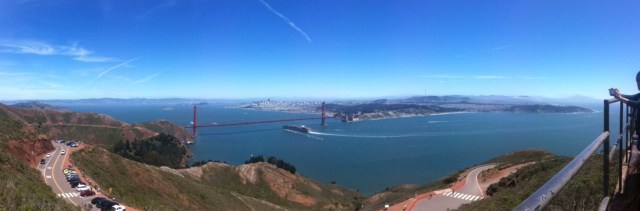
IMG_1377As students of Westtown, the word sustainability is constantly ingrained into our brains and lifestyles. Whether we take environmental justice, environmental science, or just walk into Westtown’s LEED certified science center, where facts of our sustainability promises are plastered everywhere, Westtown students are up to date and aware of sustainability. For Senior Projects, we wanted to challenge our own knowledge and experience to travel to San Francisco to have a closer, and more in depth understanding of a sustainable lifestyle. San Francisco is noted the second most sustainable city in the nation. They are known for the plastic bag ban, creating a carbon offset fund, the solar power program, and the local food movement. On this trip, we plan to delve into a deeper understanding of how sustainability can be implemented into our daily lives, and what steps we can take as seniors at Westtown to achieve that end.

In light of a hands on experience and education of sustainability, we will meet with a University of San Francisco professor to discuss his job teaching environmental studies at USF. I hope to learn why he believes teaching about the environment is paramount, and if living in San Francisco has anything to do with why he teaches what he teaches. We also hope he will be able to discuss how we can implement sustainability in a broader sense.

We have also contacted an alumna from Westtown. She excitedly offered for us to shadow Nature Bridge, which educates both students and adults alike in “fostering environmental literacy.” We are excited to spend the day with Westtown’s alumna and Nature Bridge interns to learn more about their mission, and hopefully we will bring back not only information about sustainability, but also bring back a new way of thinking in regards to sustainability at Westtown School.

I Hope My Bird Brain Doesn’t Make a Mistake

Hi everyone, I have a question for all of you. Do you like birds? Regardless of your answer, if you passed by a hurt bird on the side of the road or saw a baby bird stuck on the ground in your backyard, would you try to save it? Well, taking caring of injured birds is what Tri-State Bird Rescue and Research is all about.

My name is Colin Perkins-Taylor and for my Senior Project I will be doing volunteer work at Tri-State Bird Rescue and Research in Newark, Delaware. Tri-State Bird is a non-profit organization that was founded in 1976 with the intention of saving injured birds and nursing them back to full health so that they can be released back into the wild. Each year, thousands of birds are injured or killed by cars, power lines, and wind turbines, all of which are man-made. However, most people who see a hurt bird don’t try to save it. They leave its fate for nature to decide, which almost always results in death. What many don’t realize is that with proper veterinary care, these birds can not only become fully healthy again, but they can be released back into the wild and live a normal life. All of the birds that Tri-State takes in are birds that have been reported by pedestrians, and 95% of the birds that Tri-State takes care of get released back into the wild. Here is a picture of the facility bird-care facility:

Although I have already completed three volunteer training sessions and know my way around the facility, I am sitting here tonight scared for what tomorrow, the first official day of my project, holds. I’m terrified of not putting enough Vitahawk, a vitamin supplement, in the raptor’s food or forgetting to put a rock in the birds water dishes since they don’t have any depth perception. I just don’t want my forgetfulness or lack of knowledge to affect the birds I’m taking care of in any way. Hopefully everything turns out alright. Fingers crossed!

Please check out my blog over the next two weeks to learn about my experience and hopefully see some pictures of the birds I’m taking care of!

Beyond Beaches and Bikinis: Making Change in Rural Dominican Republic

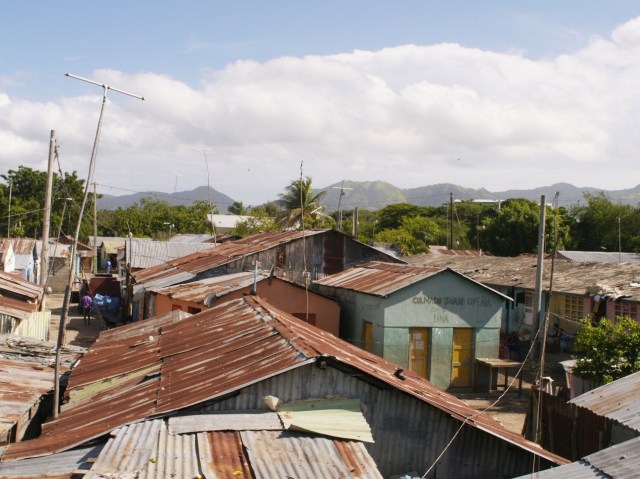
Today I took my last hot shower for the next three weeks. Tomorrow, I get up at 5:00am to fly to the Dominican Republic. From the Santiago airport, I’ll be headed out to Batey Libertad, a tiny town that mainly revolves around the nearby rice plantation and factory. My homestay in the batey (the Spanish word for a plantation town) will be quite a shift from the extremely privileged, comfortable life I live at an American boarding school. If you’re wondering why, here’s a picture of Batey Libertad:

Short Term Volunteer Arrival Packet (1)

Like many plantation towns, Batey Libertad is primarily populated with Haitian-Dominicans and Dominicans of more distant Haitian ancestry. But to many Dominicans, any person of Haitian descent–or maybe anyone who looks like they’re of Haitian descent because of their darker skin–is simply one of los haitianos. People of Haitian descent can face severe discrimination in the Dominican Republic. In some ways, they’re perceived much the same as many Mexican migrants are in the United States–as outsiders who don’t belong, who take advantage of the country, who steal jobs, who are immoral criminals: much of the same racist, xenophobic rhetoric is applied to Haitians in the DR. Under Trujillo, the dictator who ruled the country until the 1960s, thousands of Haitians were even massacred.

Today, especially in bateyes, los haitianos are denied civil and human rights (like citizenship and the right to freedom of movement) and can be deported to Haiti even if their families have lived in the Dominican Republic for generations. Many bateyes have limited access to clean water, health care, and education. Fortunately, some organizations have stepped forward to improve life in bateyes, and this spring I have the privilege of working with Yspaniola, an organization that has helped bring improved sanitation and clean water to Batey Libertad. I’ll get the opportunity to work with Haitian-Dominican kids to improve literacy in Yspaniola’s Learning Center, learn about the plight of Haitians in the Dominican Republic alongside students from Yale, and learn about Dominican life from my host family. I’m nervous, but excited, and armed with a few choice Spanish-language picture books.

I know in the Dominican Republic I’m going to get sunburned. I know I’m gonna miss the conveniences that come with my cushy American life and that I’m going to have awkward language mishaps with my muddled, poorly conjugated Spanish. I know that I am going to face uncomfortable truths and realities I have never before had to confront, of poverty, racism, and discrimination. But I am going to do to what I learned at Westtown and lean into my discomfort rather than shy away from it, and I know I will come back to school having made deep connections across cultural barriers. I hope I will also return more humble, more grateful, and ready to continue on my journey to make change. This is just how I take my first step.

Saludos,

Charlotte

Icelandic Adventure

How many people do you know have been to Iceland? Probably not more than you can count on one hand. With its beautiful volcanoes, glaciers, and natural springs, many deem Iceland as one of their “bucket list destinations.”

My name is Sammie and I will be traveling with my roommate, Dagny, to her native country of Iceland for my Senior Project. I will be staying with her family in the small town of Hveragerdi, just 15 miles east of Reykjavik, the country’s capital.

Besides seeing the marvelous sights of Iceland and fully immersing myself in Icelandic cultural, I will be studying gender equality. Data collected by the World Economic Forum in 2014 placed Iceland at the TOP of the list in the Global Gender Gap Index. The United States is ranked 28th on that very same list. Through multiple interviews with women ranked in the Top 100 powerful women in Iceland and other students my age, I will attempt to discover how a country the size of Kentucky and the population of Pittsburgh (roughly 320,000) can attain the equality our country has long strived for.

Feel free to check back to my blog throughout the next two weeks for pictures and updates!

-Sammie

Preparing For Next Week

Hey everyone, my name is William and I will be going to West Chester where I will be a computer science intern for two weeks. I will be working at an engineering firm IONX, a small company headquartered in West Chester, PA. IONX is about asset management, where they track the locations and conditions of train cars and their cargo. They make physical sensors that go on tanker cars, box cars, and locomotives. They also develop the software that goes with the hardware. I have worked there previously as an intern for six weeks over the summer. I had a great and informative time there, so I will be going back there again to continue my passion for computer science. I will be working on a special project that they have arranged for me to complete in the two weeks that I am there.

For next week I will be using some old skills that I have and need to brush-up on, mainly my computer coding skills. I will working on building web applications that involve a multitude of languages. Last time I was there I used C#, SQL, and R-script. While there I learned a couple of new languages that I needed to work on the applications. I also learned about machine learning and the possibilities of the uses of it. I was tasked to see what kinds of applications could benefit from adding machine learning. As I was learning about machine learning I learned how Microsoft’s cloud-computing system, Microsoft Azure, works and what it can do. I can’t wait to see what they have in-store for me this time!