Les rencontres fortuites

March 7th

” The last time I saw Paris, her heart was warm and gay, I heard the laughter of her heart in every street café”–Oscar Hammerstein II

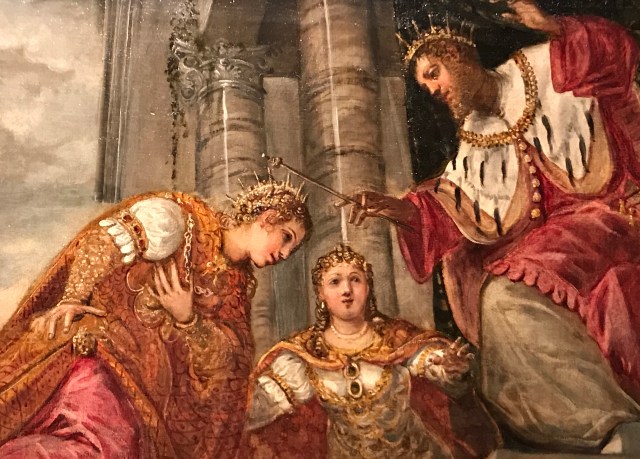
Today is my favorite day in Paris so far! Nothing can better describe my day more than “full of chance encounters”. It was raining on and off the whole day. After morning class, I went to see a temporary art show about the early career of the Renaissance painter Tintoret at the Musée du Luxembourg. Since there is no permanent exhibition at the Musée du Luxembourg, I was fortunate enough to be in Paris and near the museum on the first day of this well-curated exhibition about a true Italian master. FullSizeRender 5.jpgFullSizeRender 4.jpg

My favorite works in the exhibition

After this fortunate encounter, I headed to the Latin Quarter. I originally planned to have a light lunch at the Shakepeare & Company Café after browsing through the collection at the famous bookstore Shakespeare & Company. Yet, as I got off the métro at Saint-Michel square, I was immediately engrossed by the numerous bookstores in the region. I wandered freely among the shelves, looking for a familiar or interesting title that catches my eye. I especially liked the second-hand book section because there particularly, I felt like a true wanderer and traveller: I was looking for something I don’t know yet, a familiar name, a beautifully adored cover, but even more so for a sense of personal connection with the stranger who owned and loved the same books I now enjoy .It is because of the possibility of these unexpected yet pleasant encounters with people and things in a foreign land and the incredible bliss I feel when such encounters happen that I long passionately for solo journeys to unknown places.

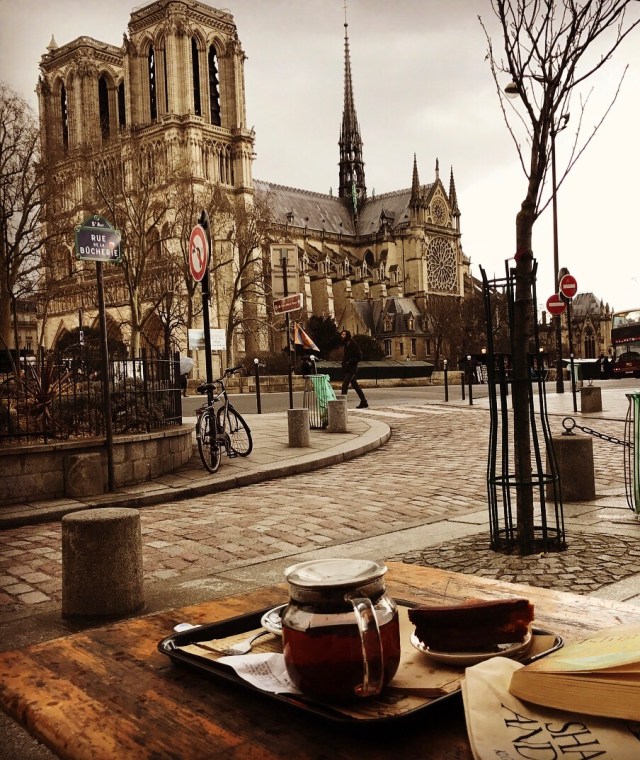
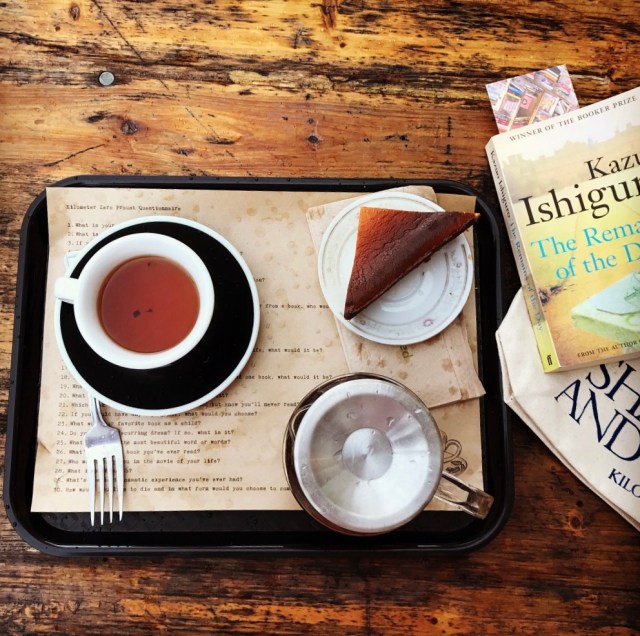
Over the days, I have gradually become better at the practice of becoming a “true Parisian” not just a “rushed visitor”. After picking up a few old books, I decided to sit down for at the Shakepeare & Company Café for some afternoon tea and leisure reading. Even on a rainy afternoon, the outside seats truly offers the most pleasant experience and the best scenery. Sitting under the shelter of huge outdoor umbrellas, casually sipping tea and reading a good book, I can see the famous Notre-Dame de Paris when I raise my gaze from the book from time to time. It is truly an inspiring and refreshing leisure unique to Paris! No wonder so many elite writers, philosophers, artists came to live in Paris to find novel ideas!FullSizeRender 5.jpgFullSizeRender 6.jpg

tea at Shakepeare & Company Café

Afterwards, I visited two churches really close to each other but of very different styles: Église Saint-Sevérin and Église Saint Julien le pauvreIMG_6486.JPG

One of the many stunning stained glasses at Eglise Saint-Sevérin

france-latin-quarter-saint-julien.jpg

The more tranquil and modest Église Saint Julien le pauvre

After all these days in Paris, I have found my self much more comfortable with the local lifestyle and much more closer to my ideal of wandering solo traveller looking for adventures, surprises, and exciting encounters!

Summer

First day and Ava DuVernay!?

Today is my second full day at the Brooklyn Museum. It’s been great so far. Not only have I met a ton of people in the museum’s education department who are super passionate about art, I’ve also been able to clean up and update the Teen Program’s Digital Artizens website. The site is a collection of intersectional feminist art, thoughts, and writing, all by teenagers! As a teenage activist and art lover, this is an exciting project for me to take on.

Yesterday after Intersextions, a paid internship at the museum for LGBTQ+ teens, all of the teen staff went to a special preview of Ava DuVernay’s A Wrinkle In Time at the Lincoln Center! Ava DuVernay is a black female director who is known for directing Selma and The Thirteenth, both serious movies about black identity and civil rights in America. A Wrinkle In Time however is a children’s fantasy movie, starring a black girl as the main character! After the film, Ava answered audience questions. I was starstruck! She’s such an inspiration and a trailblazer as a black female director. It’s so exciting to see her unique lens set upon such a classic children’s novel, and in addition, the movie was great!

Love,


Jay ❤


Bad Jokes and Bruce Lee – China Day 5

Written and posted March 7th, 2018

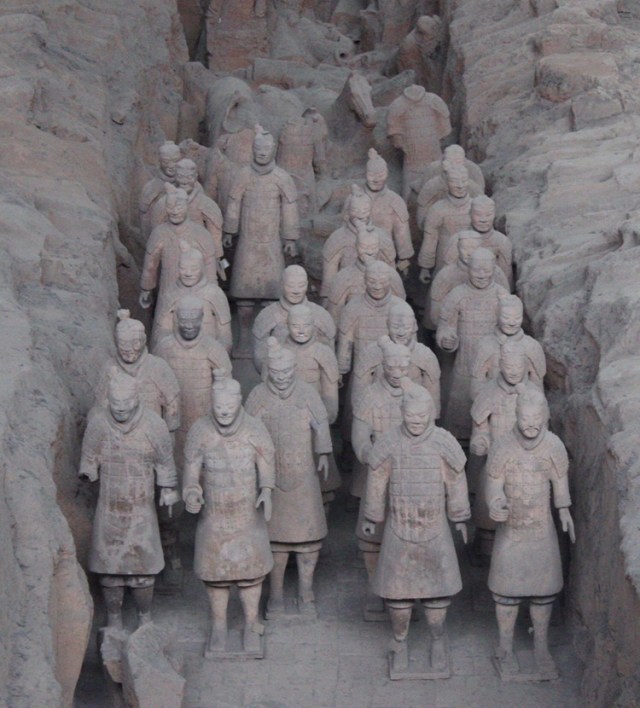
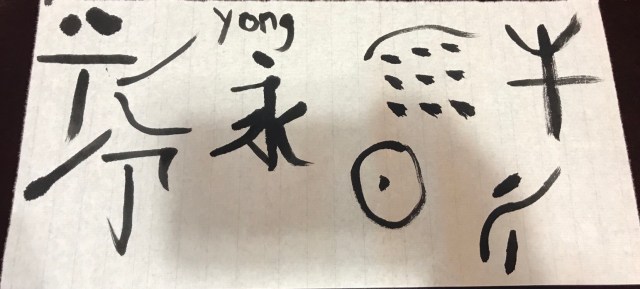
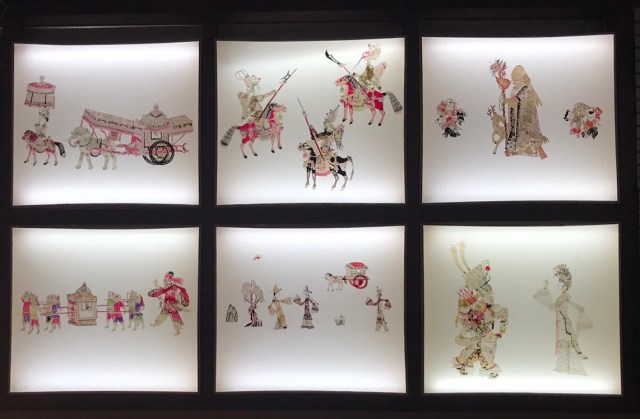
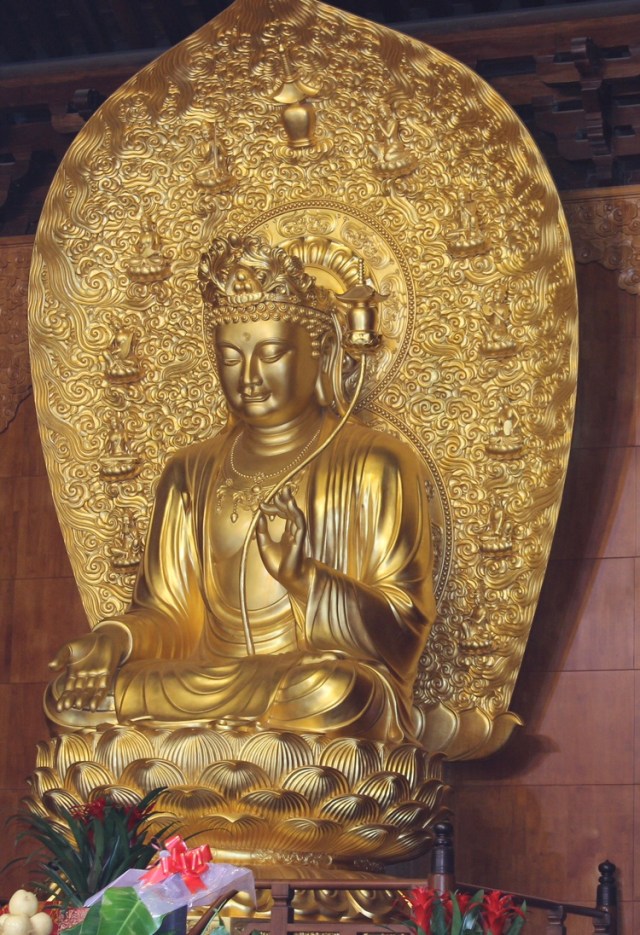
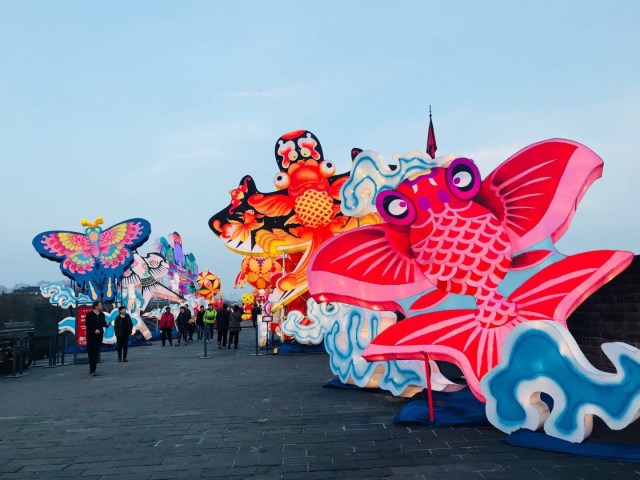
Today was our last day in Xi’an. Since we had rain the first day we had to pack everything into our schedule today. We saw the Terra-cotta Warriors, learned calligraphy, ate a delicious noodle lunch, went to the Big Wild Goose Pagoda, biked the city wall, had hot pot for dinner, and explored the city after dinner as well. We also said goodbye to our very punny local tour guide Bruce. I will be posting mainly photos today, especially since I have to be up at 4 AM for our flight to Guilin in about three hours.

Enjoy!

-Anna

Terra-cotta Warriors

Learning calligraphy

Shadow puppets

Big Wild Goose Pagoda

Buddha (couldn’t take a picture head on)

Prayer and burning of incense

Another Buddha

Dragon as part of a wall at the Pagoda

View from the ancient city wall bike ride (photo creds Nick Sokoll)

Part of the Lantern Festival display on ancient city wall (photo creds T. Bei)

Tuesday: Chip-outs and Clamps — Ethan

The everlasting truth of wood is that you can always take more off, but it’s much harder to add some back.

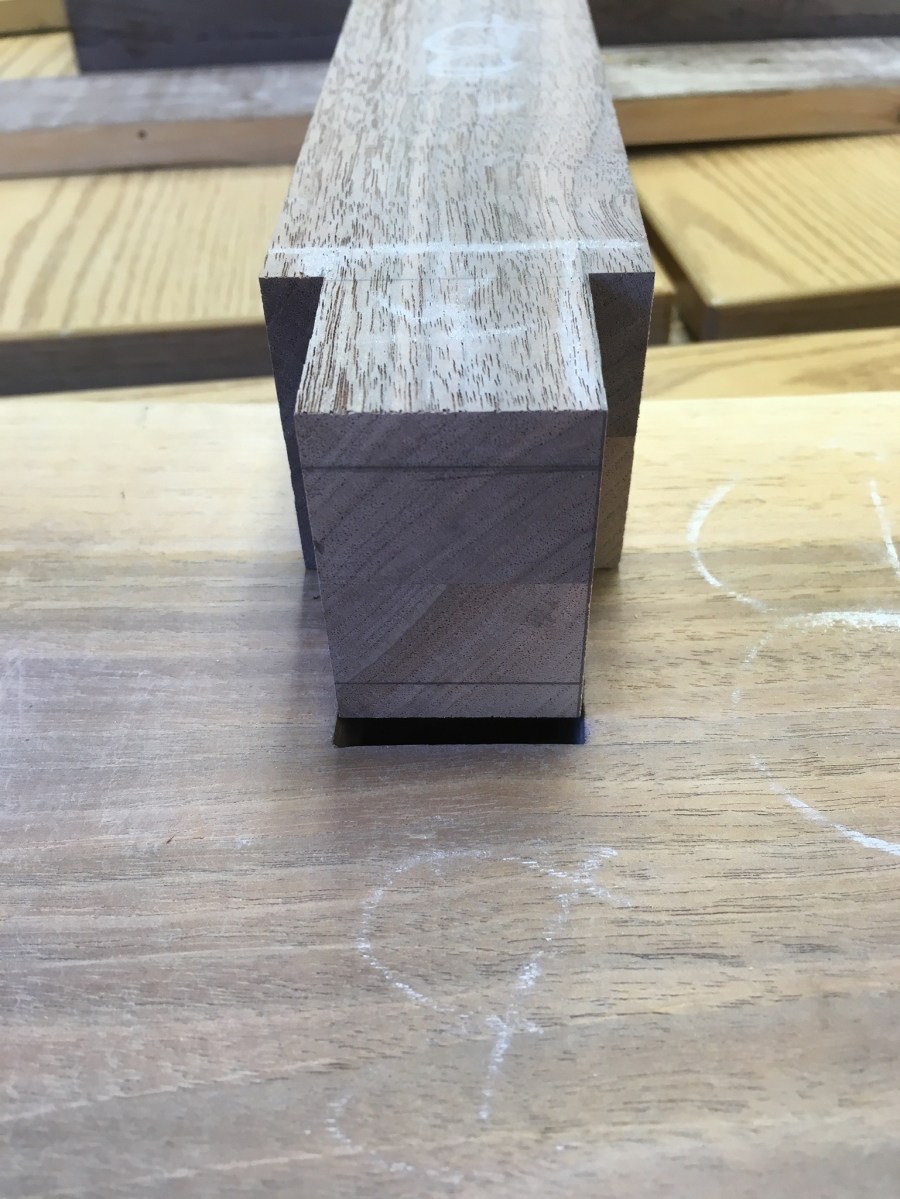
Today was an exercise in recovering and strategizing after a series of minor but consequential mistakes. Monday had one of those mistakes as well: in cutting my tenon on one table leg, I took the wrong amount off of the sides (instead of taking it off the front and back) and so I had to leave that until today with two thin pieces of walnut glued to the sides and drying overnight. After today, however, apart from those who read this, my mom, and myself, no one will ever know; the wood was forgiving this time, and the difference is barely perceptible, even if you look for it.

You know, you can imagine what could go wrong all you want, but sometimes its the simplest thing that gets you. As I moved on to my third leg, I was positive I could not make a mistake — I had measured perfectly, the walls of my mortise were as good as I could get them, I had got my notation for cutting the tenon down…. and then I took wood off the bottom instead of the top.  The fix for that that my mom worked out was that, because we intentionally made the legs longer than they needed to be (for precisely this sort of situation) we’d cut the 1 3/8″ right off the bottom, and if we needed extra length, we’d add the appropriate amount of material in time. Again, not an unrecoverable blunder.

—————

When it comes to mortises, you can never be absolutely sure, even in a relatively straight-and-predictably-grained wood like walnut, of absolute consistency in the fibers. The bottom picture shows the unfortunate result of an imperfection in the wood (I believe it was a series of gaps in the growth of the tree, resulting in wood fibers that were less rigid and had more space to more around) translating to a large chip-out as I cut that wall of the mortise. Fortunately, we were able to find the renegade chips, and they’re currently clamped up and gluing back in place.

Mom and I had been talking about possibilities for “stretchers” for the table legs — horizontal crosspieces that link the legs to one another and strengthen them — and we  came to an interesting solution. The top right photo shows a whole bunch of clamps, and three long pieces of walnut glued up and drying, measuring about 16.5″ by 4′. This assembly will eventually serve as both a structural and practical element: it will be linked into the four legs, but it will sit only about 5 or 6 inches below the tabletop, serving a similar function to the trays underneath the desks in main hall dorms.


In sum, the tenon count is up to 3, with 2 perfect dry-fits (bottom photo), the shelf is glued up and drying (middle right), and even though there’ll likely be a snow day tomorrow, I’ve taken two small boards home with me so I can work on sanding them.

That’s all for today — I plan to finish the legs on Thursday and begin work on designing the joints for the stretcher/shelf.


— EDM

KO’ – fire (day three)

Overview:


Day three started with Jane feeling much better, a delightful breakfast with our wonderful hosts, and a 30 minute car ride down into the heart of this specific Apache reservation, White River and Fort Apache. Today our agenda was mainly to help the employees of Johns Hopkins Center for Native American Health with whatever was on their plate for that day. Ed, our mentor was tasked with taking the photos of the newest employees and some select individuals from the surrounding areas. We helped him stage and set up the photos, and as a result met some amazing people, three of which we talk about below. In addition to meeting these people and aiding Ed in his work, we volunteered at Arrowhead Cafe, the Apache run store and cafe. The cafe sells delicious food and drinks to many of the people and, from what we saw, is a central gathering area. The adjacent store sold handmade jewelry, art, and apparel from local Apache artists. Our job was to help photograph the pieces of art so they could be posted on their online Etsy shop, which has so far been a booming success.  Being in the cafe and the shop was a unique experience because it allowed us to meet people that would provide interesting conversations. As well as being able to see this thriving business all based on the efforts and determination of Apache people to help benefit their community.


Jane:

One of the first Apache natives we meet was a 90 year old man. We met him while standing on the grounds of Fort Apache. Fort Apache was the military base during the Apache wars and the home to the Theodore Roosevelt Boarding School. The Theodore Roosevelt Boarding School opened in 1923 and aimed to dismantle many of the natives’ historical identities. The implementation of boarding schools trying to assimilate natives can be seen through the history of most reservations. As we stood on the grounds of Fort Apache, now the home to many offices and the newly developed Theodore Roosevelt boarding school that serves to provide education to middle school students and is approved by the tribal council, we heard about his own experiences at this place. While Ed and I photographed him, he said something that I thought was quite unexpected considering the context. He said to us “I hate Hitler because he took away my education.” When we asked him why, now intrigued by this comment, he explained that he had attended that boarding school. However, when the U.S. army started recruiting soldiers to fight in WW2 and pulled many natives from their homes to join the fight, he was one of them. Clearly, despite the acts of assimilation, had valued his education at Theodore Roosevelt Boarding School. He kept reiterating that because of Hitler, he had lost, despite the oppressive nature, his only access to education.

This idea generated a lot of thoughts in my head. It was mind blowing to think that after 73 years, this 90 year old man is still thinking about the education that he could have had. In fact, he arrived at the cafe and immediately started talking to me and within 3 minutes into that conversation he was talking about his experience at boarding school. Education was clearly very important to this man and it made my heart very heavy to think that not only was his education taken away from him but that even the education he did have wasn’t respecting who he was and his history. For me this conversation clearly stressed a very important lesson I carried with me throughout the day: that history stays with us.


Maggie:

One of the first Apache people we met on the reservation today was a painter. When we entered the cafe this morning, he was already there, waiting for Ed to photograph his newest painting (that had already been purchased) in order to add it to his portfolio. The painting itself was astonishingly beautiful, with intricate details in every aspect of the design. He recalled the legend of Geronimo, the historical Apache leader and focus of his painting. The focus was of Apache people, their heritage, pride, and current identity, similarly to all of the other artwork in the cafe. He explained each aspect of the remarkably realistic painting, and told us how all of his work related to some historical Apache event. His next painting, he confided, would be about the movement of guns into the tribe when Fort Apache, and the building adjacent to the cafe, was used as a storage unit for the white American colonizers’ rifles. After he and his paintings were photographed, we asked him when he started painting. “In jail,” he responded. When telling us about his past struggles with alcoholism, it was clear that art, along with his family, were what saved him from relapse. Twelve years sober, he has never taken a painting class, but sells each of his Apache-pride paintings for hundreds of dollars apiece. Until this trip, and specifically before meeting him, I had never fully understood the power of visual art as a force of personal change and liberation. On the walls surrounding the cafe, visual arts from students in the reservation hung for sale, bringing in revenue for kids exploring their passions. In the afternoon, high school kids came to the cafe for an after school entrepreneurial program – many of whom were artists Some planned to go to art school to continue their education and change their lives. In our academically focused East Coast prep school setting, traditional college is the only way to pursue a realistic career. On the reservation, however, art is a route through which many advance their lives, financially and personally.


Gwyneth:

While spending time with the high schoolers at the Arrowhead Cafe, we happened to meet a 17-year-old boy. From the moment we first encountered him while making crepes in the cafe’s kitchen, it was clear that there was something special about him. To begin with, he was the one to strike up a conversation with us, rather than the other way around. Although our position as volunteers for Johns Hopkins gave us the unspoken responsibility of reaching out to the students and trying to make them comfortable, it was this boy who ended up taking on this role for us. What really struck me about our first interaction with him was the fact that in spite of all the pain and injustice inflicted on his tribe by white invaders, he treated us – three white girls inserting ourselves into an Apache-run group for Apache kids –  with tremendous kindness.

However, it wasn’t until a bit later when we found out just how extraordinary he is. At one point while having his photo taken, he mentioned to Ed that he designs and sells T-shirts, after which Ed offered to drive him the few miles to his house in order to buy a shirt. During the short car ride, we were all laughing, talking about nothing of great importance. But after he showed us his shirts, which we all ended up purchasing, he began to open up about more serious matters. The shirts themselves, which are decorated with images of a cactus that looks like a rose, along with the word ko’ (Apache for fire), embody his pride in his tribe and commitment to keeping its spirit alive. All of this became clear as we stood in his yard, talking to him for at least half an hour, with Maggie and me occasionally leaving for a few minutes at a time to play with his four year old sister.

It would be impossible to capture everything he said to us in this blog post, or anywhere other than that place in that moment. Never in my life have I encountered a teenager with so much wisdom and heart. He opened up to us about the tragedies which transpire on the reservation and his own struggle to overcome depression. He also shared his sadness about the declining value in which his generation holds Apache traditions. At one point, he cleared a space in the dirt and compared it to the Apache mind before the beginning of colonization. And then, he kicked in the pebbles and rocks to represent the confusion brought on by the arrival of European invaders. It is his goal to restore at least some of the former clarity, although doing this is easier said than done.

One of the last things that he said to us circled back to the shirts he designed and the importance of ko’ – fire. He said that when you look into a fire you made with wood you gathered yourself, you can hear it talking to you, and you can talk back to it. This piece of wisdom seemed to exemplify the Apache connection to the land and its spiritual power, as well as his amazing sense of nature, spirit, and self. As I reflect on everything he said, I am realizing that there is so much wisdom left for me to draw from his words, so much I have only just begun to comprehend.


Today was incredibly impactful for all three of us but we still are processing a lot of what the day meant for us. We are sure much more insight on this day in particular will come later.  
Beyond My Years: Porch Lights, Page Turns and Pointers


“There are no extra pieces in the universe. Everyone is here because he or she [or they] has a place to fill, and every piece must fit itself into the big jigsaw puzzle.”

– Deepak Chopra

March 6th, 2018 (Three days into my project!)

Foreword: In the post, I reflect on the past three days and end with what my next steps are. I know this post is super long, my apologies, I have made a video (7 mins) recapping the specifics of what took place on Friday, Monday, and Tuesday. If you’re interested in watching, that is below. Thank you for reading and watching!


I have been contemplating what to say about my experience so far at Sunrise Senior Living. The biggest struggle when it comes to picking out what to say is how much silence sat with me and many of the residents during the first few days at Sunrise. Some of the silence that I have sat with is that of processing the community and its normal flow of the day but, in full honesty, much of the time has been sharing the silence, sadness, and helplessness of some of the members.

Many of the residents at Sunrise have dementia, Alzheimer’s, memory loss or just aren’t fully present in conversation or thought. There are many members of the community I have talked with who don’t remember too much about their life or some simply do not care to have their personal life recorded. However, there are residents who recognize their memory loss or the purpose of my project and have become interested in speaking about their past.

I arrived on Friday, March 2nd at 10:15 am to a warm welcome in the Bistro, the main dining area for the residents. There, I introduced my project to a handful of residents who decided to show up to the designated activity time arranged by Jaimie, the activities coordinator I am working with. During this time I talked about myself and where I fit into the Delco area which surprisingly sparked conversation from some of the residents.

Friday was not full of exciting stories or photoshoots as I had the expectation of occurring. Although, I did expect and succeed to use Friday as a time for the community to get to know my project and myself. This was also a time for myself to take in and learn more about the residents daily life at Sunrise.

Throughout my first day, I was introduced to the reality of doing a project in a Senior care facility. As I was in conversation with one of the residents who has been at Sunrise for 4 months, she described some of the members as, when “the porch light is on but nobodies home.” It did not surprise me to hear this as I looked around to some of the residents staring off somewhere or sleeping. Hearing this from the residents and the experiences I have had so far has humbled my thoughts and strengthened the empathy I have towards senior citizens and their journey of getting older.

On Monday, March 5th, the reality of where I am and the environment I am working in continued to make itself present. My day started out with seeing an “In Memory” photo of a resident that had passed away over the weekend, one that I had spoken with on Friday. I paused when I saw this and it brought to mind the reality of the environment my project is taking place in but the importance of archiving the stories untold and providing a space just for someone to be heard.

I talked to many residents on Monday but much of our conversations were one-sided. I sat with an adorable woman in a common space where 4 other members were sleeping. She and I talked about the books and plates that sat on the shelf in front of us. I then asked if she cared to move and she said: “If you care to.” I pushed her wheelchair over to the Bistro and we sat down with a Martha Stewart magazine looking at the color that painted the pages of the magazine as we both turned each page to pass the time.

So far I would describe my presence as being a social floater; someone who sits next to people who seem to be doing nothing and attempting to engage in conversation. I have enjoyed the silence and page turning of magazines but sometimes I felt like time was going by like one of the flat escalators at the airport you stand on, only it is neverending. I got to the end though and have already taken in and am amazed by the efforts and function of this community.

There are so many parts and people that keep the community turning. The staff and residents support each other with friendly greeting and jokes. Everyone is so welcoming and bright! Over the past three days, I have received many pointers on who to speak with and how to interact with some of the residents who have memory loss or are more quiet.

As I continue the rest of my days at Sunrise, I will be setting up sessions and will be put on the activity list so the residents are given a more direct opportunity and a reminder that I am here to archive their stories and have their photographs taken. I will also be given a list of names to set up interviews with. While I was a little discouraged in the beginning by the conversations and interactions I was having I am now hopeful that I can get a final project completed for the community at Sunrise.


L’avant scène

March 5th and 6th

“We must all do theater to find out who we are, and to discover who we can become.”–Augusto Boal

Yesterday was the first day of my classes with the Alliance Française. This week our theme for the class is the theater, which cannot be more convenient for me because I plan to attend a play at the famous Comedié Française this Sunday. During the first class, we covered many vocabularies related to theater (the personage in the troupe, places in the theater, parts of play). As a person who had not worked in a Westtown theater production, I was only a little surprised to find that I don’t even know the English word for many of the vocabularies. As a result, I had to look up the English word for “the person who moves the props between scenes,” “the person who help the actor get dressed” etc. before trying to figure out the correct word in French theater. This means that I have to spend more time finishing my homework, but at the same time, I learned so much more about the different parts that go into a successful reproduction of a play and feel so much more prepared for my adventure to the Comédie Française this Sunday.

ff13492aecbb1830c8c37a588862e1df.jpgThe favorite idea I’ve learned from this first class is that “une pièce de théâtre n’est finie que jusqu’a les comediens le presentent aux spectateurs” (a theater piece is not finished until the actors present it to the audience). This quote emphasizes the important role of the director and the actors’ reinterpretation of the original script. In a piece of theater, the playwright only sets up the “body” for the personage, but it is the actual production and the people who participate in it that gives the characters their spirit. The life experience the actors, the metteur en scène, and the individual spectator can change the meaning of the play a lot. At the same time, our interpretation of the play can tell us a lot about ourselves. Thus, the quote, we must all do theater, as actors, as directors, or as active spectators to discover who we are and who we can be.
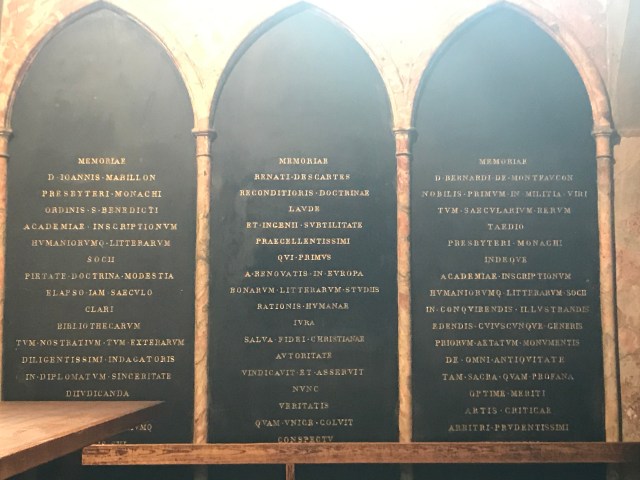
The same principle of active participation and interpretation can also be applied to my adventures in Paris. Paris is different for each visitor and inhabitant for it is so diverse that everyone can draw an unique connection with Paris. Given my interest in humanities, my encounter with Paris is more an exploration of Paris’ history and culture. In the past two days, I’ve explored Abbaye de Saint-Germain-des-PrésÉglise Saint-Sulpice, Musée national Eugène-Delacroix, Jardin Luxembourg, Cimetière du Montparnasse, Musée Bourdelle etc. Because of my interest in languages, classics, and history, I payed special attention to the Latin inscriptions in the churches and cemetery I visited and was especially grateful to be able to do a complimentary guided tour in French about Eugène Delacroix’s oriental studies at the Musée national Eugène-Delacroix. IMG_6348.JPG

Middle: Latin inscription on the tomb of Descartes

IMG_6384.JPG

Interior of Église Saint-Sulpice

FullSizeRender 3.jpg

palace and garden of Luxembourg

IMG_6430.JPG

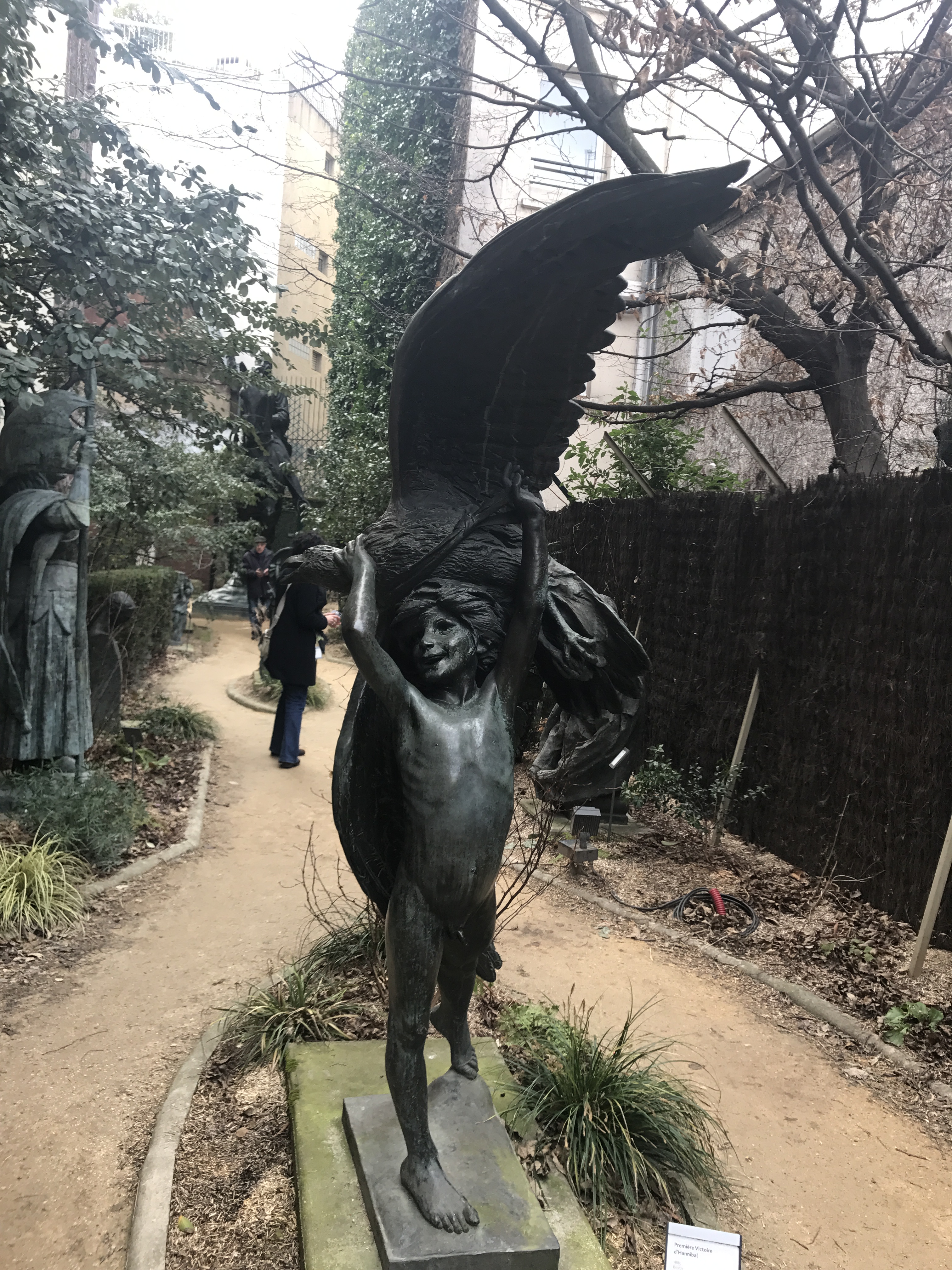
my favorite work of Antoine Bourdelle at Musée Bourdelle

The past few days Paris has offered me many pleasant surprises. I’m super excited for my future adventures at Paris!

Summer

Your Eyes Are Always Bigger Than Your Stomach – China Day 4

Written and published March 6th, 2018

Today we flew from Beijing to Xi’an. Since it was a travel day and rainy we did not do that much. I will be posting photos today (taken on my phone because of the rain) from my shopping around the city, eating food, and watching the Tang Dynasty Show and dinner. My blog post tomorrow will hopefully be much more exciting.

– Anna

Ice cream with waffle bubble cone (photo creds to Savannah)
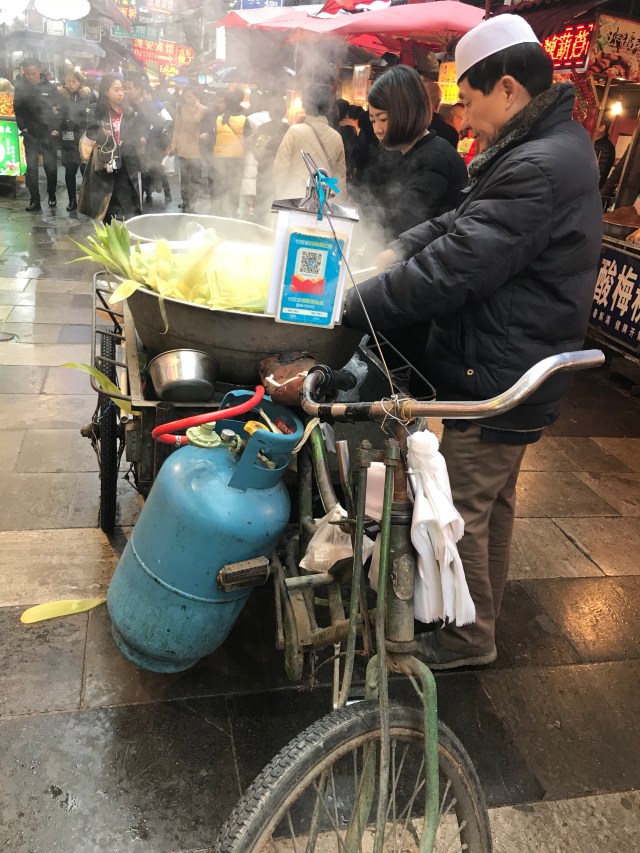
Steamed corn

Meat (lamb) on a stick

Vegetable dumplings

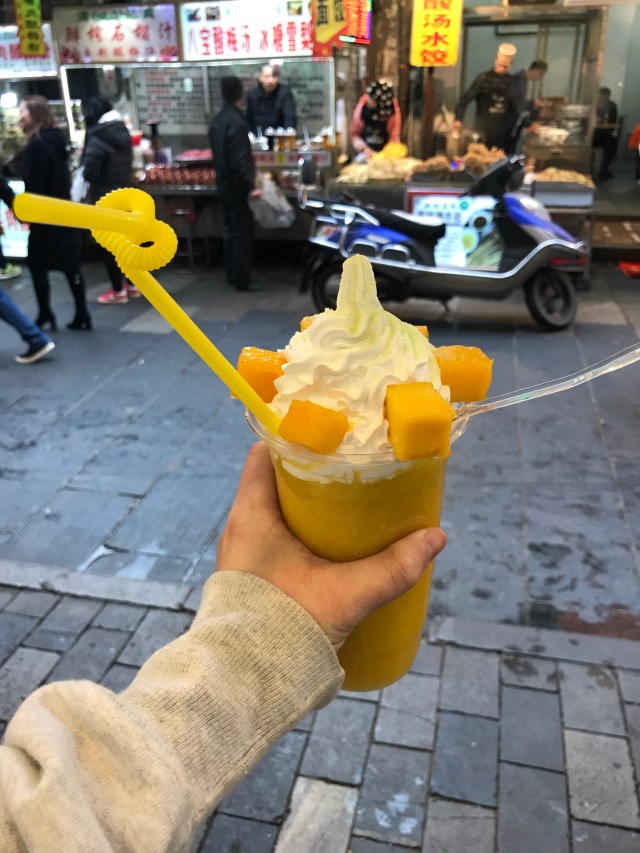
Mango juice drink with whipped cream, mango pieces, and matcha dusting
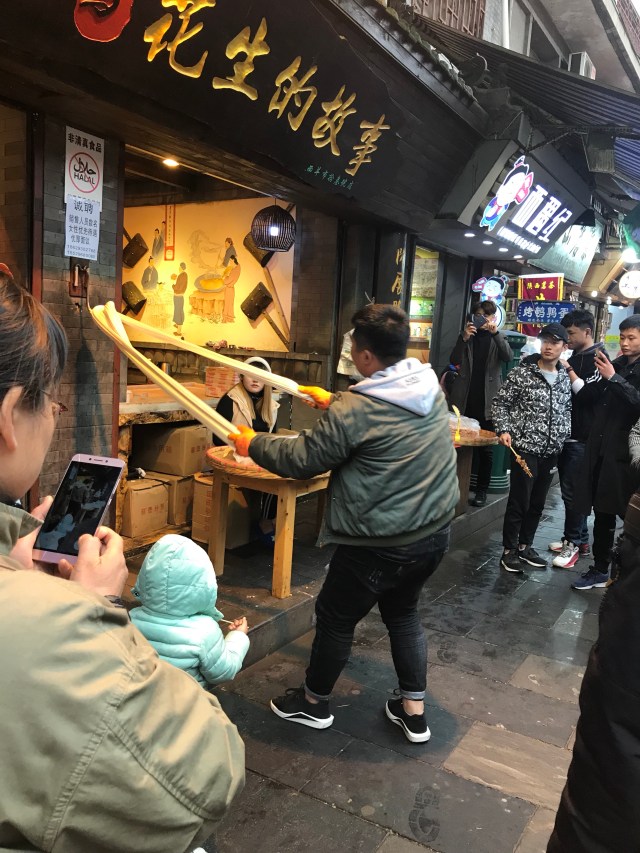
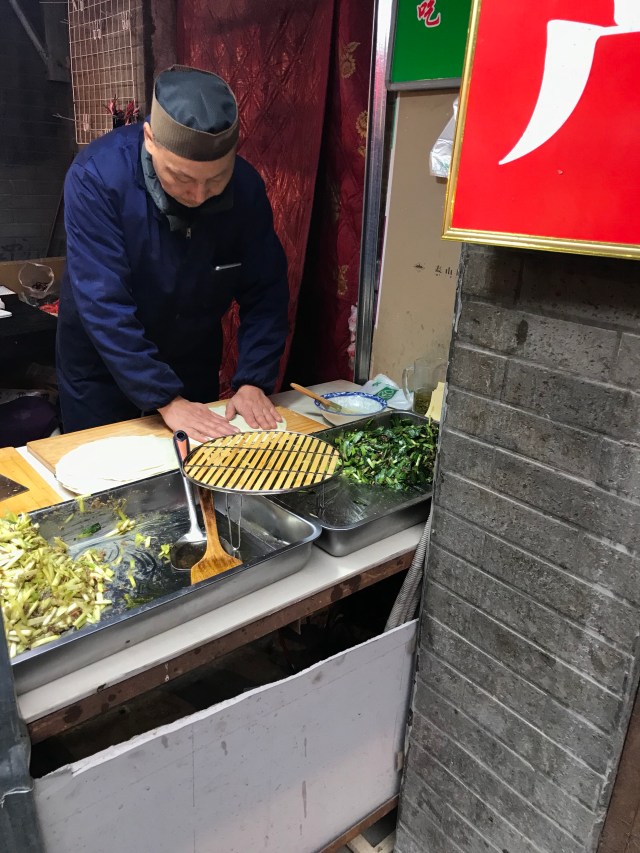
Making dough

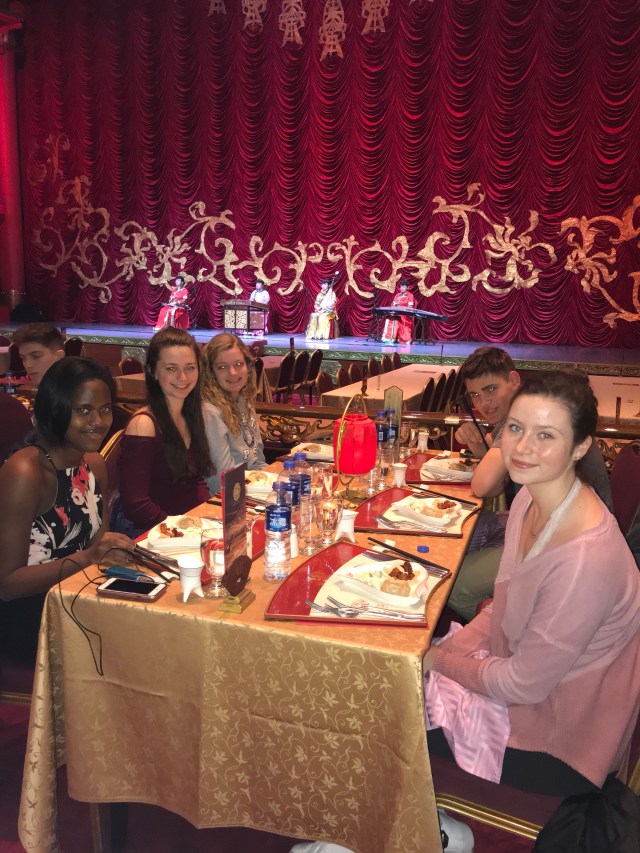
Tang Dynasty Dinner

Tang Dynasty Show

Day 2: Window Rock, Chinle, and Canyon de Chelly

Unfortunately, Jane has been suffering from altitude sickness (or a stomach bug) today, making her extremely sick for most of the day. The day was spent mostly driving – first from Albuquerque to Chinle, and then from Chinle to Whiteriver. On our way to Chinle, we stopped at Window Rock, the capital of the Navajo Nation, where we witnessed the titular geological marvel that resids adjacent to the governmental buildings. In Chinle, we visited the multiple sites at the Canyon de Chelly, a historic Navajo site. Tonight, we are spending the night with gracious hosts from the Johns Hopkins Center for Native Health by Whiteriver, AZ, the largest town on the White Mountain Apache Reservation. Jane was extremely resilient over all 400 miles travelled today, but her sickness means her input will be missing from today’s post.

Maggie on “Indian Gift Shops”:

On our drive to Chinle from Albuquerque, we quickly left behind the populous areas of the city to find a vast, empty, and varied landscape. Rock formations sprinkled among the sagebrush starkly contrasted the highway plowing directly through this nature; we were officially on the Navajo Reservation. Though it was sometimes hard to distinguish the reservations from outside lands, kitschy “Indian Gift Shops” line the highway as a clear reservation indicator. Filled with Route 66 Memorabilia, the main focus of most roadside shops was Native imagery and exploitation. Obviously aimed towards white tourists, the shop featured terrifying dolls of romanticized native children, fake moccasins, and appropriated dream catchers adorned with screen printed US flags. While some pieces in the shop were authentic, most were highly commercialized Anglo perceptions of Native culture and Native Americans themselves. The murals and trinkets featured traditions from tribes and cultures that do not exist within a thousand miles of the Navajo reservation. This ignorant ideology of Native Americans completely disregards the actual experiences, practices, cultures, and lives of Native citizens living a few miles from these shops. These shops exemplified the objectification of Native people perpetuated by White Americans, through which actuals humans are devalued and simplified into dolls and things to observe as if in a zoo or museum.

Gwyneth on Canyon de Chelly:

From the moment I first saw Canyon de Chelly, I once again found myself speechless before the extraordinary natural beauty of the southwest. Located deep in the land of the Navajo, the canyon has long been an important part of the tribe’s history. Although they were difficult to make out, we saw several homes deep within the canyon. I can only imagine what it would be like to live there, almost completely isolated from other humans but quite literally enveloped by the wonders of the natural world. The spiritual energy of the place was intense. Standing high up and looking down into the canyon, I could see the Navajo creation myth, in which the first man and woman traveled through three other worlds before reaching this one, brought to life. It was as if a giant hole had been dug in this world – the fourth world – revealing a glimpse of the third world underneath. As I reflect upon my experience at the canyon, I am beginning to see the clear connection between the land and the traditional spirituality of the Navajo people.


Closing thoughts:

Something spiritual can be witnessed in the seemingly eternal landscape of the Southwest, especially at night. With our car hurdling into the darkness on an isolated backroad in Arizona, it was unclear where the land ended and sky began. As a sea of darkness enveloped our car and its beaming headlights, there was a beautiful and terrifying sense of being alone in a giant world.

Monday: a Tale of Two Tenons — Ethan

Working in the woodshop has a very laid-back ness to it — today I came in a little before 8:00, worked around a band 2 class, took a break at around 11 to go for a run, got lunch in the dining hall — reveling in my lack of classes — and came back to work for another two hours before packing up and heading home. I suppose that’s just as well, because the work I’m doing now is itself very intense and precise; I experienced both edges of that sword today.

Continue reading “Monday: a Tale of Two Tenons — Ethan”