“Obroni”

March 3, 2014

Goodmorning Teacher Jordan! Today was my first day teaching and I woke up with anticipation. I was nervous to be in control of 60 students, but as soon as we took the short bus ride to the school my comfort level went up. We walked to the front of the building and met a faculty member. He introduced himself and showed us to our first classroom for a reading session. I sat down with two students, Gift and Comfort, who were eagerly repeating my name. As we read multiple stories I asked them numerous comprehension questions which they answered excitedly.

It was then time for snack and chaos ensued. We were tackled by so many kids that I couldn’t keep track of them. I pulled out my camera and started taking pictures. The younger students came running up to the camera yelling “obroni” (foreigner) and asked me to take their pictures, fighting for center stage. I took as many as I could, but when they started grabbing at the camera I put it away. It was time for my first class.

Nerves were running through my body as I stepped into my first classroom. Kids were running all over the place, but a few students started asking me questions right away. Before class was supposed to start, one student said “please begin teaching me now” and my excitement grew. I was happy to be teaching somebody who was eager to learn.

The students sped through the lesson, taking in every minute while destroying my plans as far as timing went. I grew used to responding to “Madame” as the day went on. When we stopped for our free period I tried to replace all the water that had sweat out of my body. Even though I couldn’t stop sweating, I was glad not to be in the middle of a snow storm. Feeling the heat of the sun was much needed after such a brutal winter.

Lunch was delicious. The customary food could not be better. We sat in the shade of the library to eat, but soon were back out on the courtyard spending time with the kids. Many of us had spoken over lunch about the rowdiness of certain classes, and luckily I had them for the two next periods. Once we got them working on the worksheets we brought along, keeping them under control was easy (maybe too easy considering one kid was fast asleep in the back).

The last period of the day was the most enjoyable for me. I spent it helping a student, Benjamin, read Dr. Seuss. He occasionally looked to me for help with a word, and cruised through the 60 pages of rhymes. After that period, I was ready for a break. We piled back into the van and headed back to the house. Most of the evening was spent playing cards and making friendships bracelets. Lying in bed has never felt so good.

Fanti words of the day:

Obroni: foreigner
Medasi: thank you
Ekua: Wednesday (the day I was born)
It’s Ghana time!

First of all, sorry I couldn’t upload a picture; the computer I’m using is too old to have a place to upload it. I’m writing now with the first we’ve been able to get all trip.

Ghana is amazing. Hot, but definitly worth it. We arrived Sunday, took a two hour car ride with 16 of us crammed into an old van that has probably close to 500,000 miles on it. Today we woke up bright and early like we have all week and spend the day reading and teaching. The kids are all bundles of energy. The first day we came all the younger ones would huddle around us shouting “obroni” and trying to shake our hands or touch our arms. At the sight of a camera, they get so excited that they push eachother out of the way and huddle together posing.

The highlight so far for me has been teaching a group of girls the chicken dance and singing it for 15 minutes straight one day. Their dancing was adorable. There is so much to say, but so little time. It’s almost 12am here and tomorrow we’re going to visit the slave castles and the beach–a welcome break from teaching all day!

Until next time,

Laura

Days 6-7 in Israel and Palestine

20140308-000944.jpg
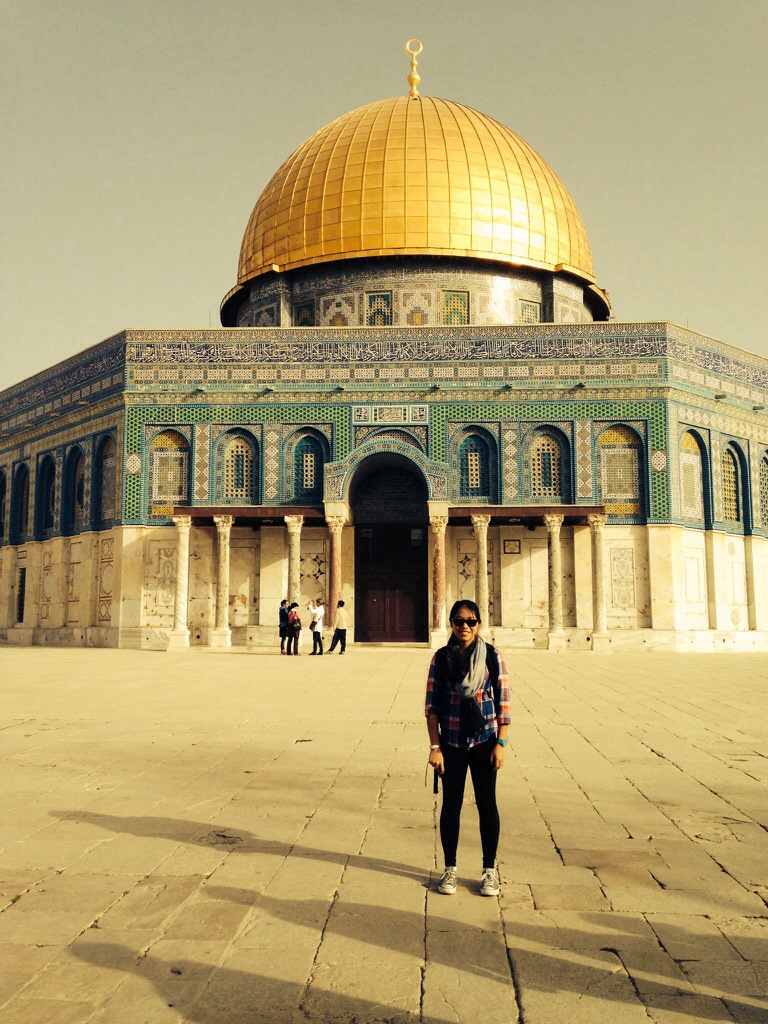
Yesterday we woke up before 6 AM so that we could get a photo of the sun rising above the Dome of the Rock. Unfortunately, it was too hazy to see the sun. After breakfast at 6:30 we all headed to the Dome of the Rock to get there before the line was too line.

Later that morning we went to the Holocaust Museum and then drove to Bethlehem in the West Bank for dinner and dancing with our host students! We also went shopping in the Old City where we had to bargain for a good price. Luckily I had Shirley and Qiu Yao who are really good at bargaining since they do it in China! They were awesome and got the price of my stuffed camel down by 20 sheckles. Our host students are really nice. Qiu Yao, Shirley, Monica, and I are staying in an apartment in the building with our host Rachel. It’s been fun to actually stay in a Palestinian home.

20140308-001058.jpg
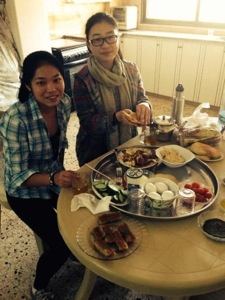
Qiu Yao and I eating a typical breakfast in the apartment this morning!

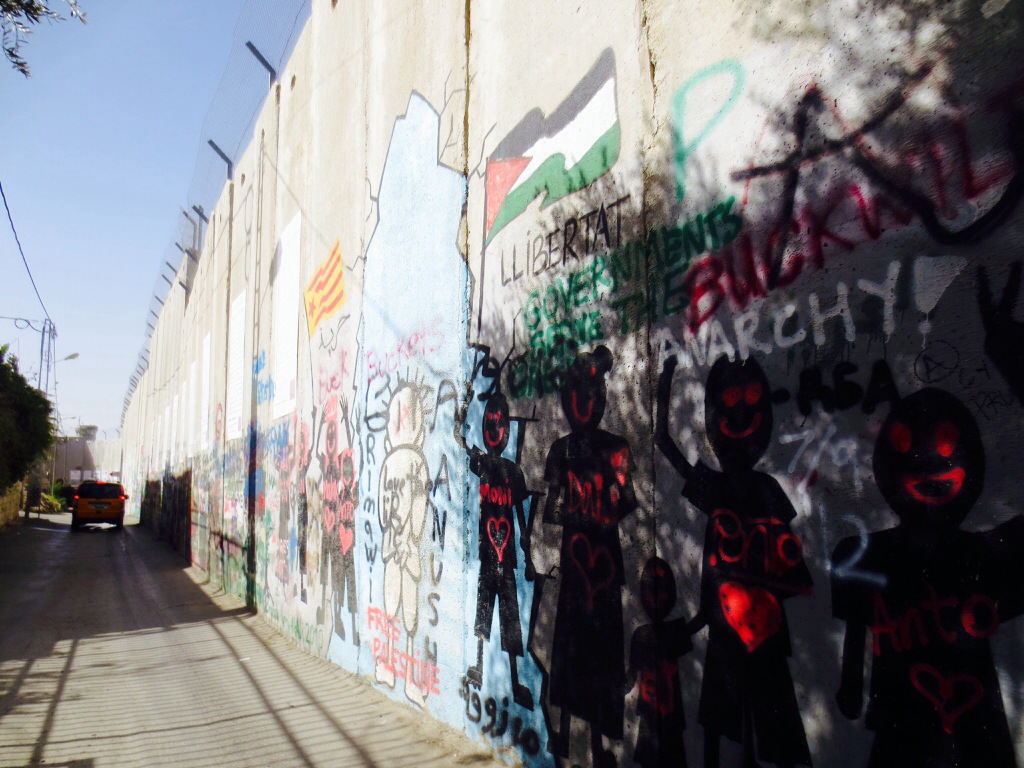
We visited another part of the separation wall this morning where we saw graffiti and messages put up by Palestinians from the area.

20140308-001014.jpg

20140308-000959.jpg

20140308-003709.jpg

We then went to hear from a settler in Efrat, a settlement founded in the. 1970s that houses 10,000 modern Orthodox Jews. David, the member who spoke with us grew up in Chicago but moved to Israel to fulfill himself as a Jew. His statements contradict what we have heard from Palestinians. He doesn’t know of any water issue and said that his settlement is “a blessing on the Palestinian community”. He said that the wall was necessary because of how dangerous it was to even just walk around ten years ago. The two hour conversation was very substantive and I really appreciate that he took time to talk to our large group to give his point of view.

Contrastly, we then went to a nearby Palestinian farm called The Tent of Nations that is surrounded by five settlements. The Israeli government has been persistent in trying to take this land from them. This family, unlike many other Palestinians registered all of the land with the Ottoman Empire to pay taxes and therefore has papers to prove ownership. The government has shut off their water and electricity. There is also a gate and boulders that block the driveway. This government demolished their house and took away building permits so they live in a CAVE. They are self sufficient and have proven that they will do anything to keep this land, even after their trees for harvest have been repetitively cut down.

20140308-001038.jpg

This conflict is so complicated and everyone whom we have spoken with feels passionately for their side. I feel for both sides, because they both feel that they are not being respected. The problem is that there is no trust between the sides and that the people living in both parts do not talk with each other so they just make assumptions about the other based off of the different things that the government is telling them through bias media.

Clothes, Hair, and a Secret Agent

3/7/14

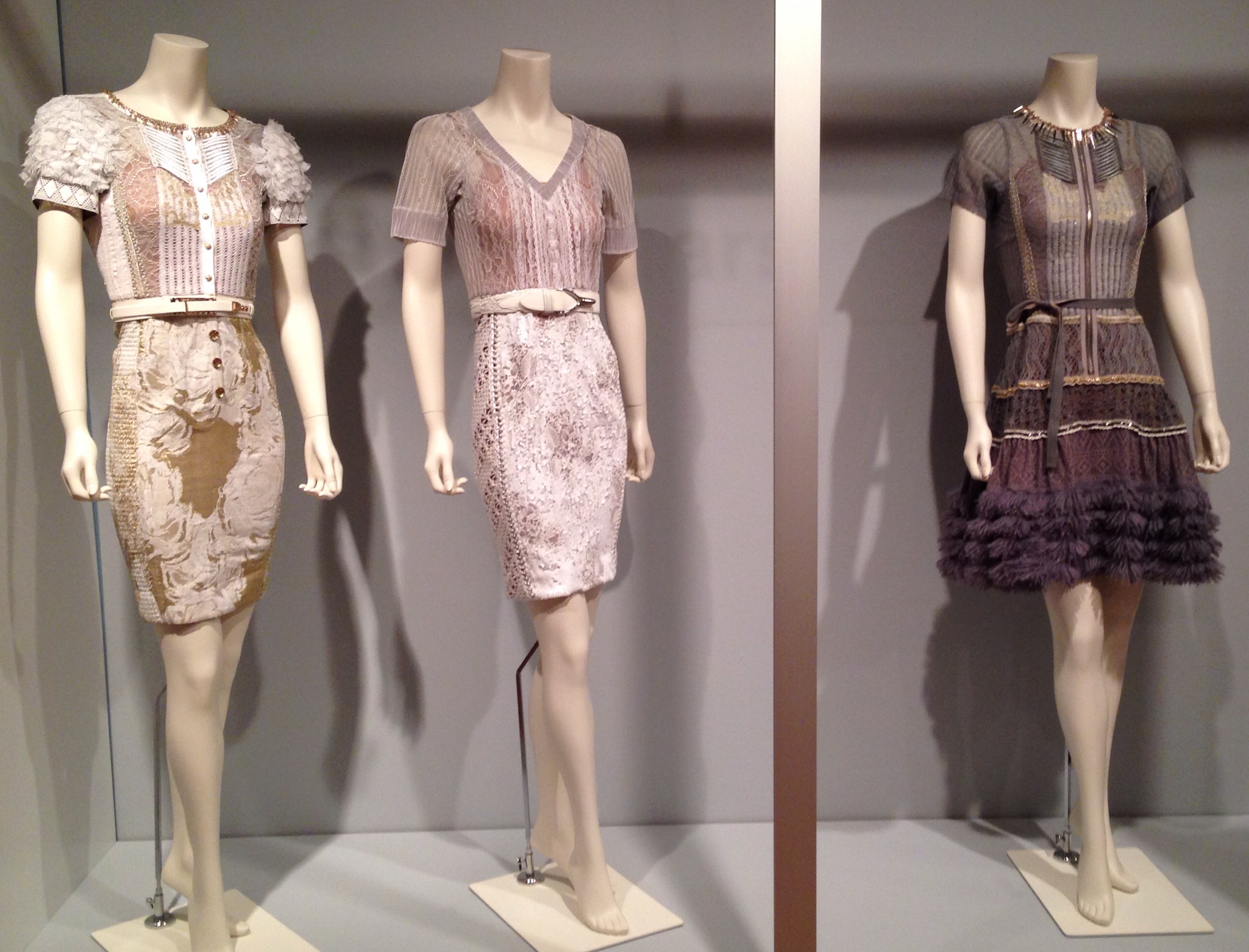
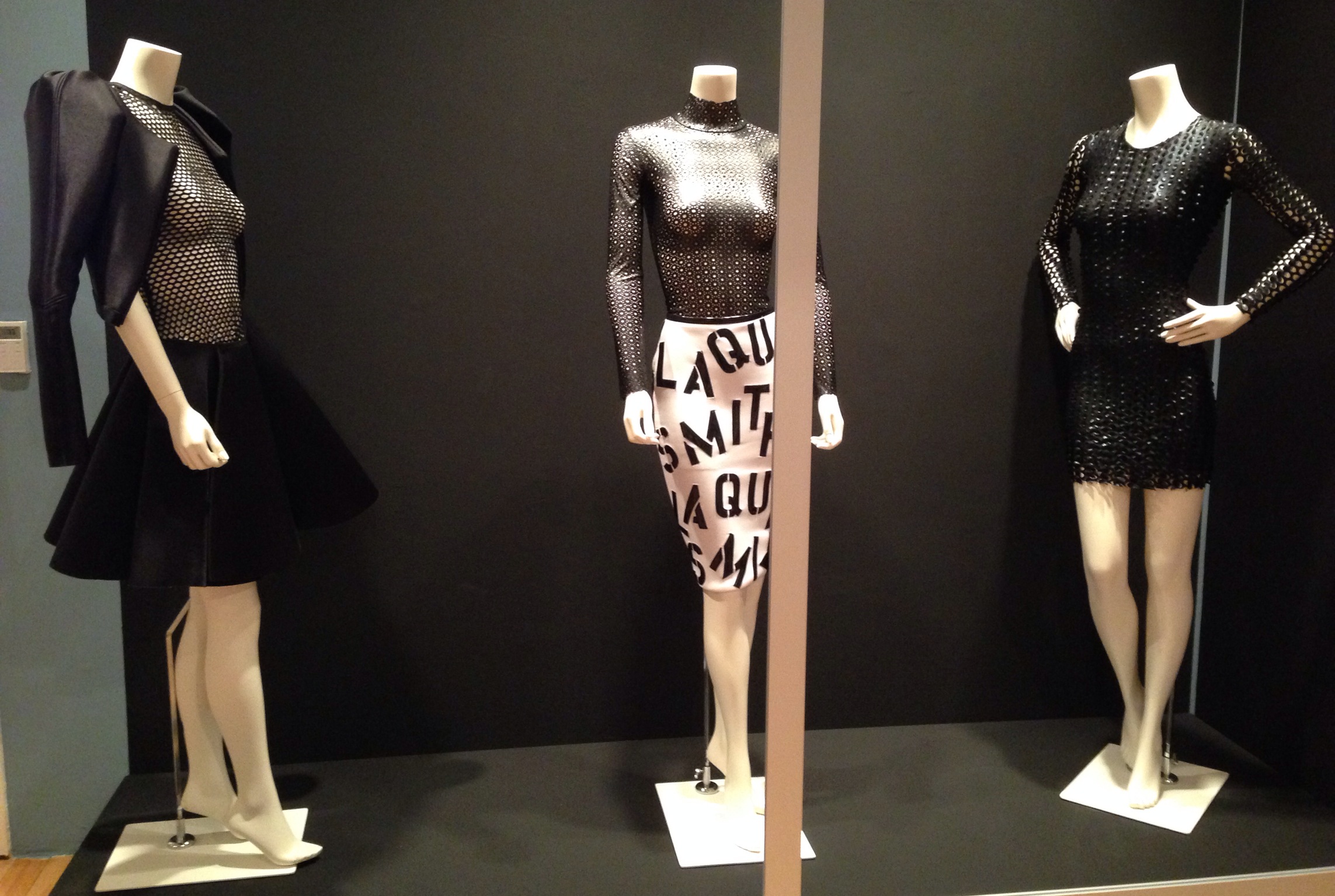
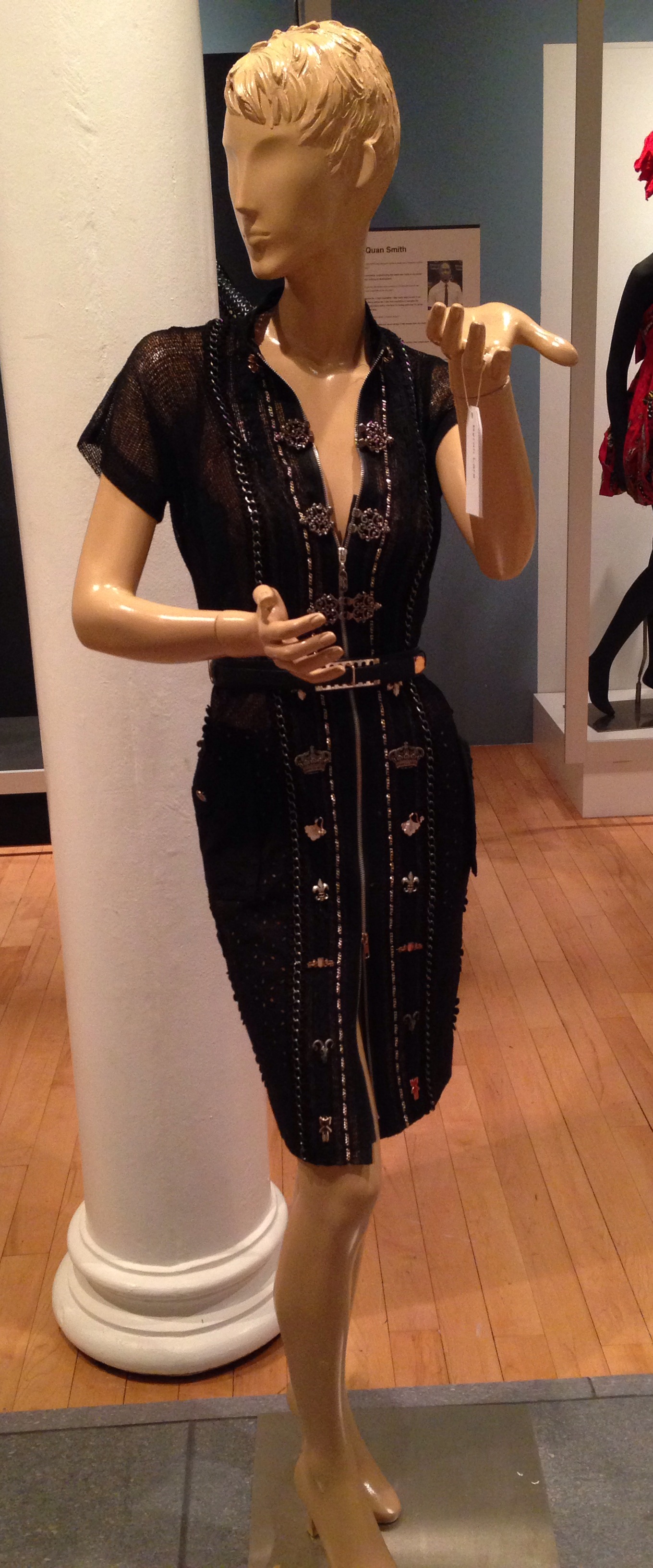
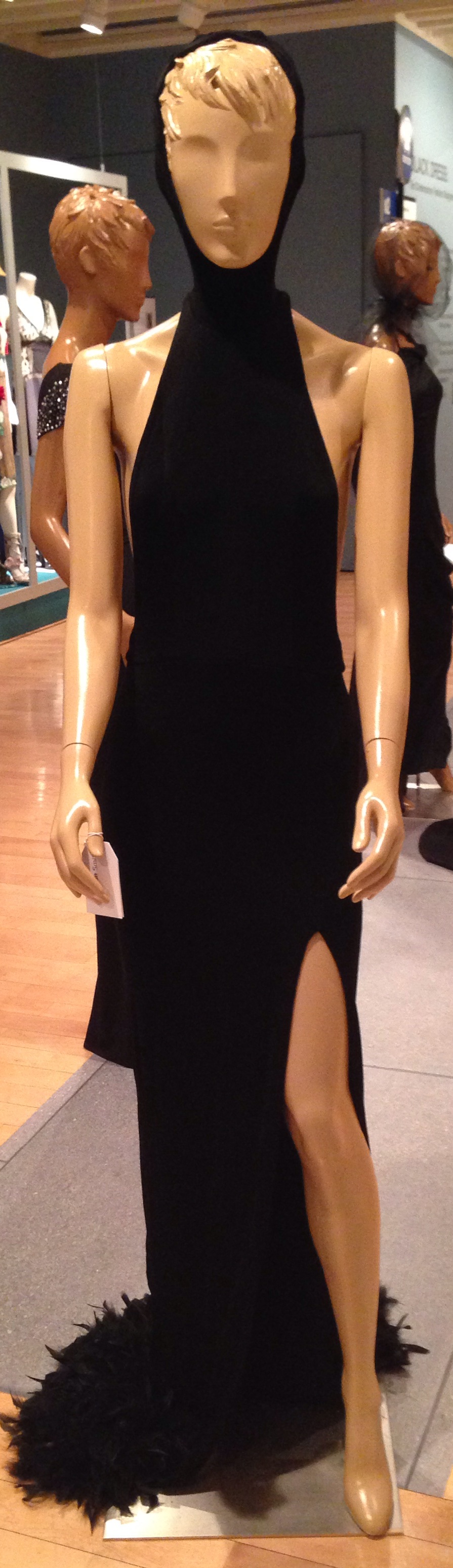
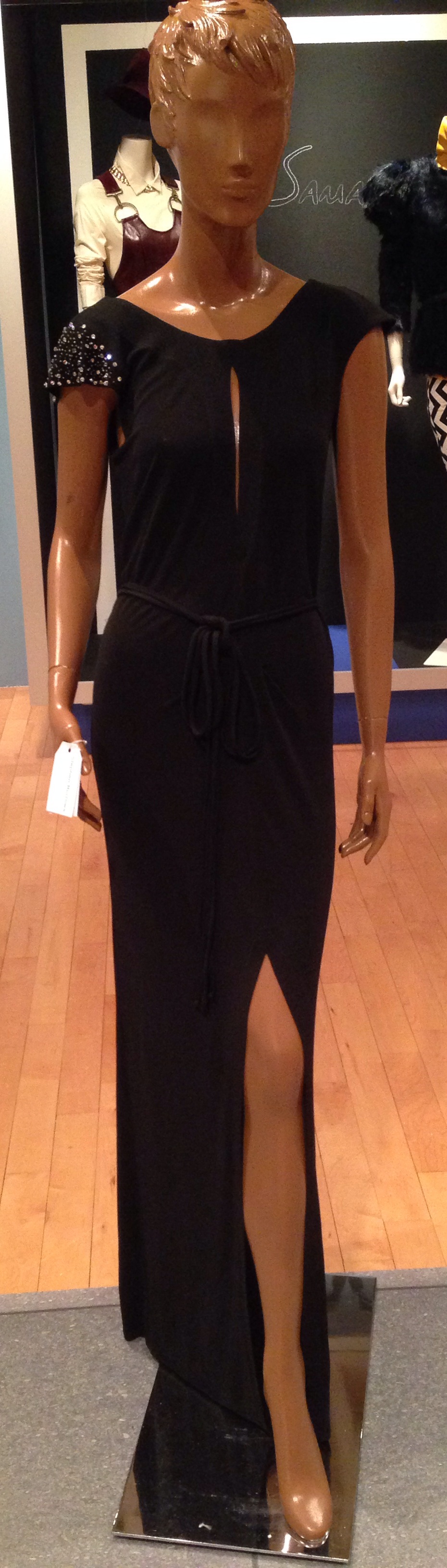
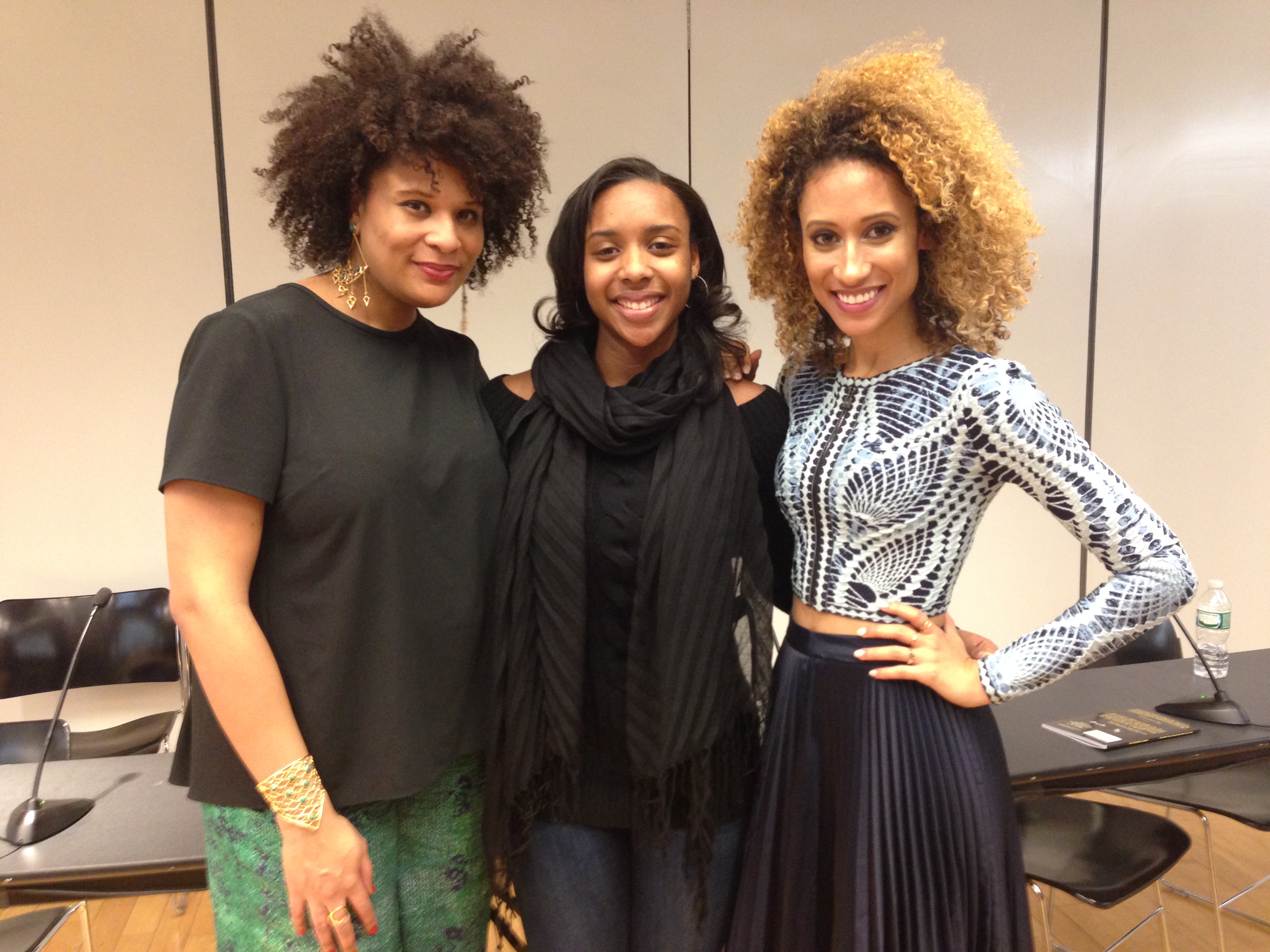
So much has happened in the past two days that it’s hard to believe how fast time is flying by! For starters, I joined Julee Wednesday night at an exhibition called Black Dress: Ten Contemporary Designers, a showcase at the Pratt Institute featuring the clothes of ten black designers. Among them were well-known fashion icons like Tracy Reese, Stephen Burrows, Byron Lars, and new-comers LaQuan Smith and Omar Salam. There was also a video featured by Carrie Mae Weems, designs by Donna Dove and former “Project Runway” contestants Epperson and Sammy Black.

Black Dress Exhibit 2  Black Dress Exhibit  Black Dress Exhibit 3                Black Dress Exhibit 4                  Black Dress Exhibit 5                 Black Dress Exhibit 6

During the panel that followed (on which the glamorous Julee Wilson sat) I was able to hear these designers and other prominent fashion figures (including Elaine Welteroth, Teen Vogue Beauty & Health Director) share their stories and thoughts on the under-representation of blacks in the fashion industry.

(From Left to Right) Julee Wilson, Taylor Griffith, Elaine Welteroth

For more pictures and details about the exhibit, you can read Julee’s article on the Huffington Post: http://www.huffingtonpost.com/2014/03/06/pratt-black-dress-exhibit_n_4912779.html.

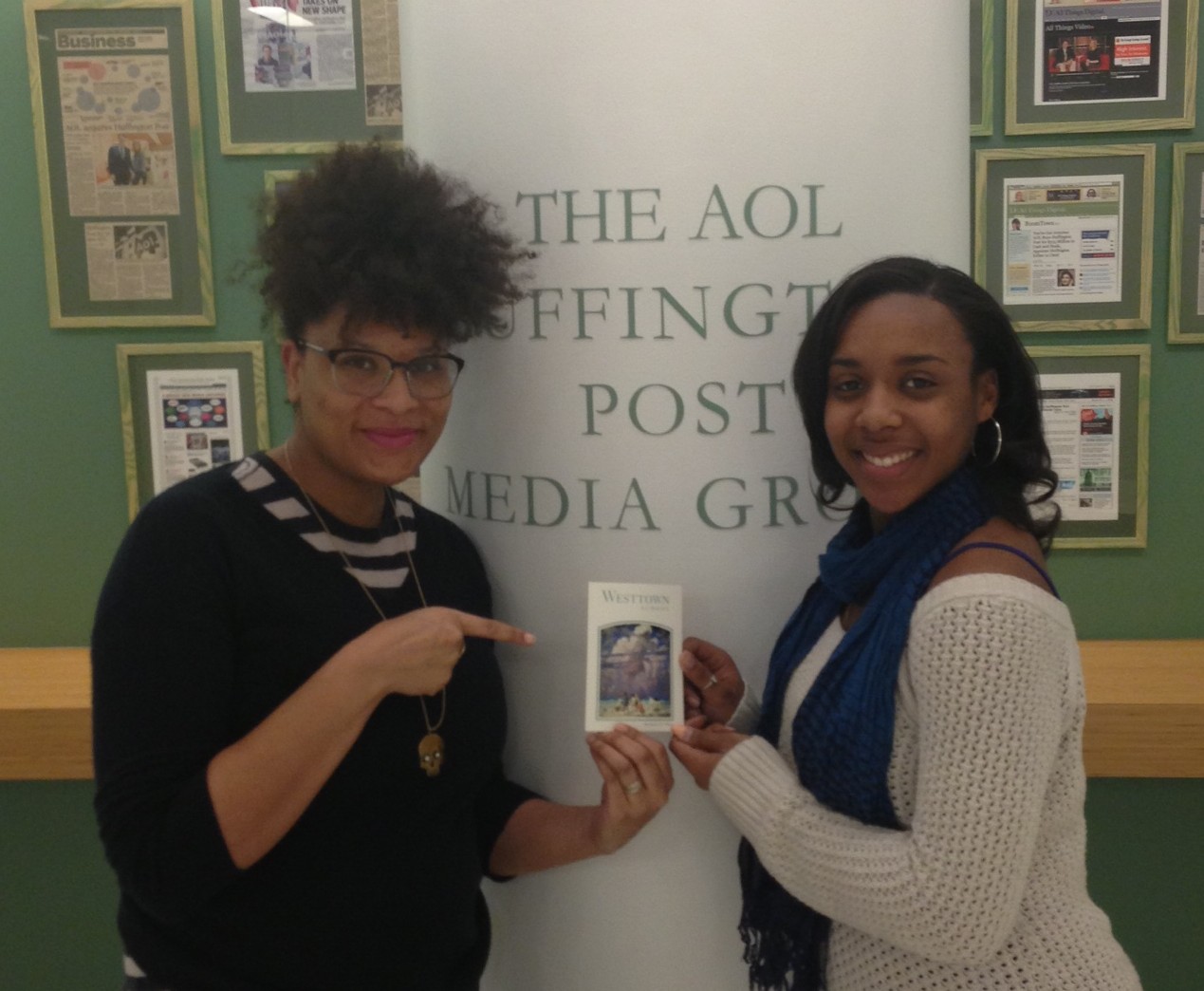
Later that night, I officially became a blogger of The Huffington Post! My first post was a piece I tweaked from my Independent Seminar Blog about my experience writing from a secret agent’s perspective, but my later posts will have a broader range of topics. You can check out my work here! Just click on my name to read my short biography: http://www.huffingtonpost.com/taylor-griffith/how-i-found-authenticity-_b_4906398.html.

Julee Wilson and Taylor Griffith holding a picture of "The Giant"
Julee Wilson and Taylor Griffith holding a picture of “The Giant”

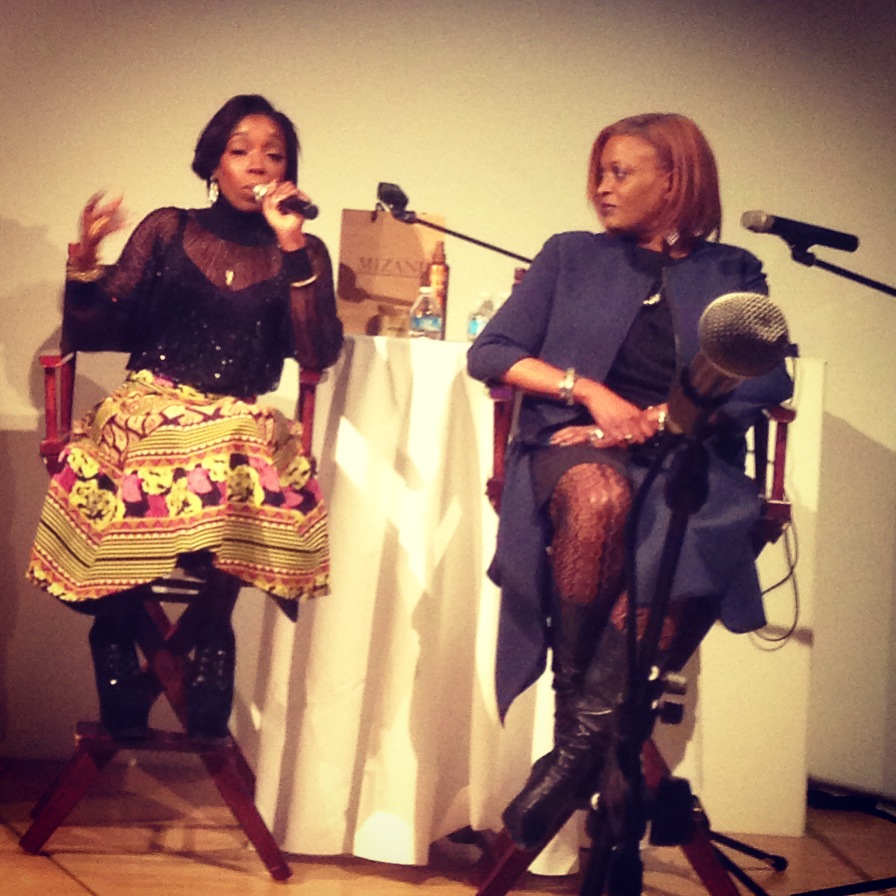
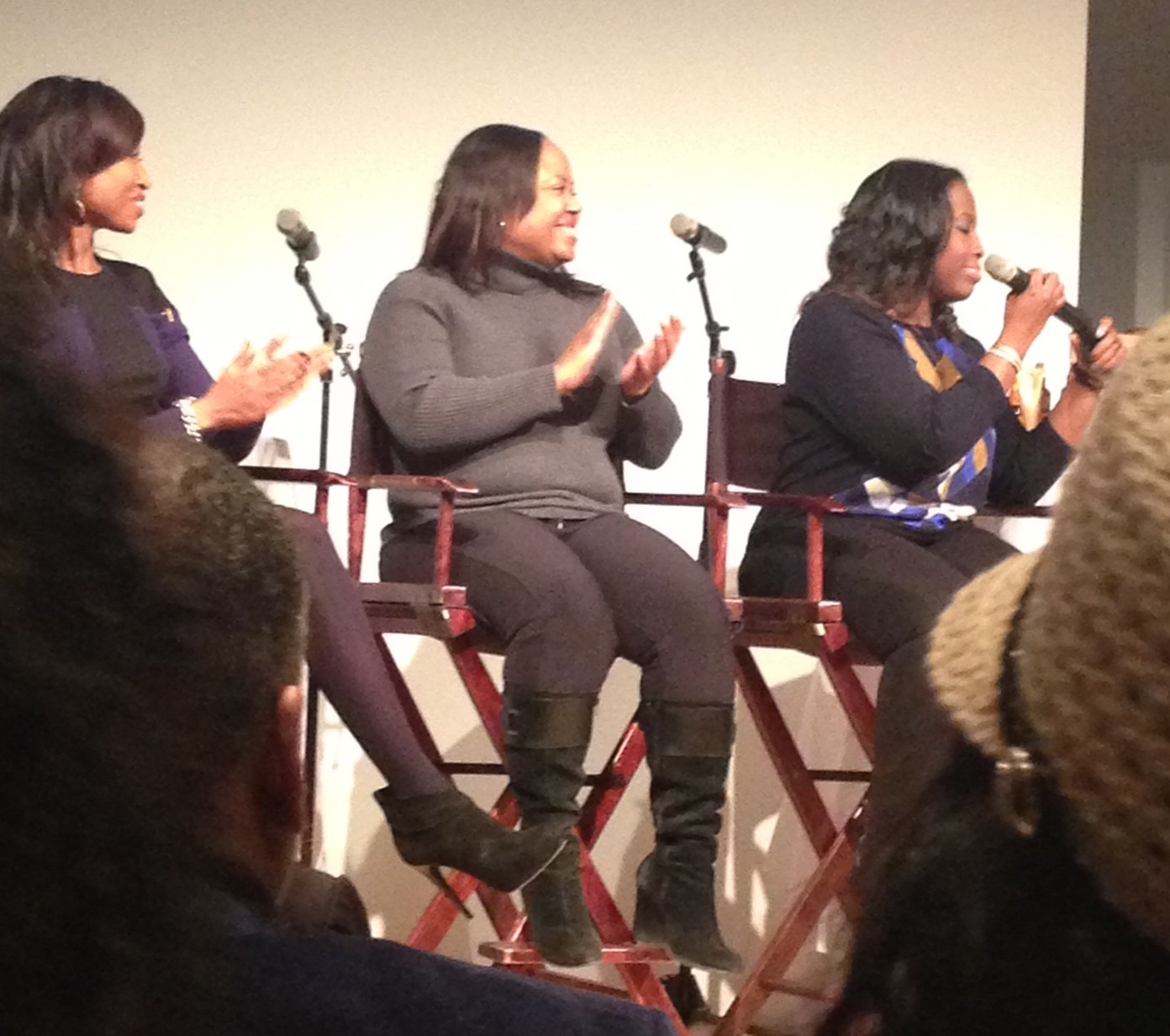
Finally, I went to another panel with Julee last night called the “I’m Possible Conversation” hosted by the Mizani line of hair products, in which five women discussed their careers (both highs and lows) as women of color. Among the members on the panel were Whitney-Gayle Benta, Corynne Corbett, Estelle, Angela Jackson, and Gilda Squire. For more about these women, you can visit this site: http://www.i-am-possible.com/.

Estelle and Corynne Corbett
Angela Jackson, Gilda Squire, and Whitney-Gayle Benta

While at the event, I also met Michaela Angela Davis, an Image Activist and the Editorial Manager of BET Networks. I plan on speaking with her later for my third piece on The Huffington Post.

Stay tuned!

Taylor

Prayers, Offerings and a Shaman

A few nights ago, we gathered in a local lodge where a shaman performed a despacho for our group. A despacho is an ancient religious ceremony of the Andeans in which offerings and prayers are made to the apus (mountains) and Pachamama (mother earth).

Before the despacho ceremony itself, Vidal, the shaman, first talked to us. Maria, my colleague on this adventure, is well-trained in performing despachos herself and translated Vidal’s words for the students. Vidal imparted messages about returning to our spiritual selves, about our connection with the earth and our relationship with each other (“todos son Indios” – we are all Indians). He made an interesting play on these Spanish words while he was speaking on this topic: he repeated that we are all “In-Dios, en-Dios” meaning ‘in God’. This is familiar language to me as a Quaker; there is the Light of God in all of us.

Then the ceremony began. A bag of coca leaves was passed. [It should be noted that the coca leaf is part of everything here: it is used to make tea to cure all kinds maladies including altitude sickness, the locals chew it like gum and it is part of sacred ceremony.] Each of us was instructed to find  four perfect leaves; ones that were whole, dark green with strong spines. Then each took a small packet containing symbolic ingredients – these would be our gifts.

The Inca believed in the concept of Ayni – that you don’t ask for something without giving in return. Reciprocity. The coca leaves would represent our prayers and wishes and the packets would be our gifts to Pachamama.

One by one the students approached the shaman at his mesita, a small table with a cloth in which to collect our prayers, two cups and other symbolic items. Each was asked to say aloud his or her prayer. Vidal received the leaves, heard the prayer and gave a response, sometimes even a humorous one. I won’t recount what the students asked for, as many were quite personal. Several shed tears. I asked for the happiness of my daughters. I didn’t realize until I stood before him how emotional an experience it would be. He whispered words of encouragement and I returned to my spot in the circle.

Next, we individually brought our small packets to the shaman. He opened them to reveal things like flower petals, spices, leaves – all items that symbolize things like love, happiness, health, prosperity, peace and others. These were the offerings for Pachamama.

Once our prayers and offerings were complete, Vidal gathered up the sides of the cloth to make the prayer bundle and closed the sacred space. We then went outside where a fire had been built over a chakana, an Inca cross-like symbol. We encircled the fire and the shaman recited his prayers and placed the prayer bundle on the fire. Women were given chicha (a corn beverage) to pour on each of the four points of the chakana and the men poured wine in points that represent the three worlds: Hana Pacha, the superior world of the gods;  Kay Pacha, the world of existence; and Ucu Pacha, the underworld inhabited by ancestors and spirits of the dead.

At the completion of the ceremony, the shaman bid us farewell. It had grown late in the night and we were spent. But we stayed at the fire to have a Meeting for Worship. We worshiped in silence as the fire crackled and lit our faces. We let the experiences of the day sink in.

It was another in a series of days packed with unforgettable experiences.

To the other side of the world in 24 hours

Hi everyone! My name is Max Pinsky and in 24 hours, I’ll be on the other side of the world. I’m currently writing to you from my house in West Chester, Pennsylvania but soon, I will be writing from Beijing. For me, this trip started in eighth grade when I enrolled myself in Mandarin 1. I was only one of three kids in my grade to attempt the challenge of learning Mandarin and five years later, I’m the only one left from my grade. Currently in Mandarin five, I’ve come a long way from where I was in eighth grade. I have exponentially improved my skills in Mandarin but have only had minimal experience in Chinese culture. Ever since I started learning Mandarin I have wanted to go to China to experience what kind of cultural differences exist and, on a more personal level, how good I really am at speaking mandarin. It’s one thing to learn about social and cultural differences, but it’s another to experience them first hand. I can’t wait to share with you all that I learn about China’s rich culture!

再见,

Max Pinsky

Party Time (Members Only)

Tonight is the much-anticipated weekly Members’ Night at the Field Museum! What that entails is the museum staying open late so that members can tour the usually behind-the-scenes parts. I think there may also be free food involved, but I’m not sure on that one.

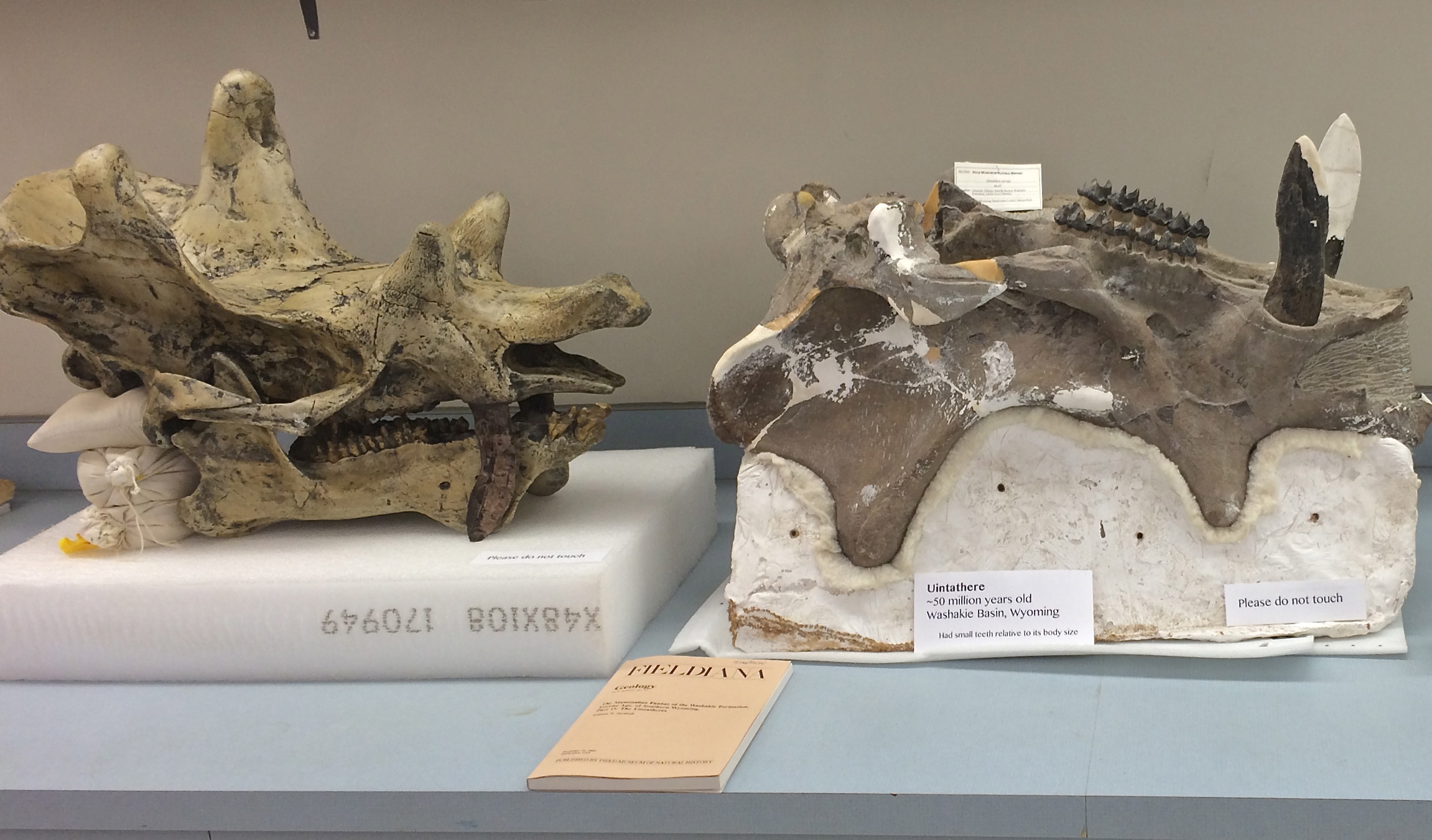
Anyway, we spent the last few hours today setting up for that. We’ll be displaying an Uinathere (if you want a good laugh try to pronounce that) jaw and a cast of a full head…

Image

…as well as a few other things showing steps in the fossil prep process, including an example display assembled by your humble narrator! I couldn’t stay late enough to be at the event itself, but having one of my displays shown was definitely the highlight of my day.

The last couple days have been a bit crazy. Now that my newbie training’s over, I’ve still been doing a lot of cataloging and numbering and making displays, but I’ve also been washing and repairing fossils which is super rad and much more hands-on. Basically, when fossils come in, they’re not the neat little (or huge) bones that you see behind glass. They’re almost always in these weird plaster bags that are full of dried mud and rocks (and maybe a tooth somewhere in there). You have to put this chunk of stuff in a sieve and run water over it. Most of the silt comes off pretty quickly, and as it goes from one big thing to a lot of little things, you have to decrease the water pressure so as not to damage anything. Eventually you wind up with a sieve full of rocks and fossil bits, which you have to separate, and then the fossils get another rinse before being set out to dry. It beats dinner wash any day.

Repair, which was actually the part of my internship I was most excited about, is a total pain in the you-know-what. After all the bone bits are clean and dry, they get organized into boxes by site and then you have to repair them. This translates to: sit and stare at a box of bits of things and try to figure out how they fit together, if they were even from the same animal to begin with. It’s like the most frustrating jigsaw puzzle ever, except there are three different puzzles mixed together and half of the pieces are missing and there’s no picture on the front of the box. If the three of us working down there can get more than five or six matches in a day, it’s pretty successful. We got a whole rib (about two feet long) pretty successfully fixed up on Wednesday, and my manager bought everyone lunch.

xx

liicranberry

Mosaic

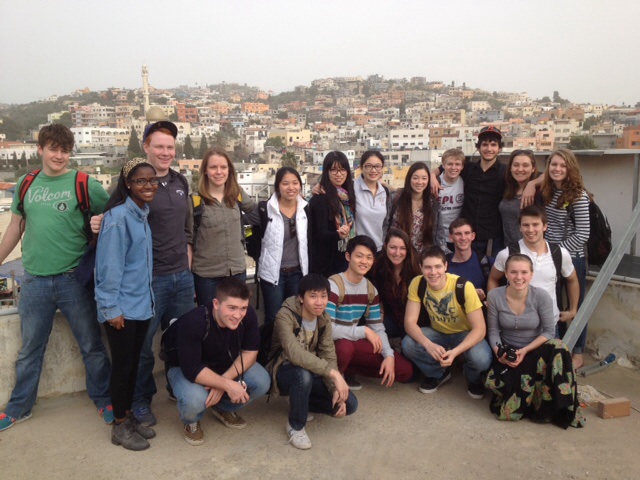
imageHere is our group on the roof of a mosque in Barta’a, a town in the West Bank that is divided in two by the “Green Line,” the border which differentiates between areas administered as part of Israel and those administered by the Israeli military or the Palestinian Authority. As we are seeing, this is both a place where the holiest sites in Judaism, Christianity, and Islam are literally on top of each other and a pivotal battleground of global issues of peace and human rights. If that sounds like a paradox, it is. We are being exposed to a mosaic of views, each person telling us their truth, each one important. After our visits to the holy sites Sunday we took a bus tour of East Jerusalem, and saw “Where the Sidewalk Ends” – along with the public transportation, garbage collection, and many other services – in Palestinian neighborhoods. We saw “the Wall” that our Jewish hosts on our first night in Israel call a necessary anti-terrorism measure, but which has divided neighborhoods and families, impoverished, and humiliated Palestinians. At the end of the day our guide said that “finding a just peace between Israelis and Palestinians is about as easy as driving a bus in East Jerusalem.”

The next day Lydia Eisenberg, who works with Givat Haviva, an Israeli peace education organization, gave us a tour of her kibbutz,  Mishmar HaEmek, and its museum and took us to Barta’a. She told us that her goal was to get us to put ourselves in the place of the other. She did a good job – and so did our students. They are knowledgeable, inquisitive, engaged, and prepared. All of them have studied World Religions, and many have studied the Middle East conflict in their History and Current Events courses, and they are enjoying learning about them first-hand, and so am I. Their wisdom and compassion are remarkable. The most powerful part of our experience with Lydia for me was meeting at the Holocaust Memorial at the kibbutz, looking at the sculpture of a mother reaching down to protect her child. The sculpture itself has bullet holes in it from the war in 1948 which have intentionally never been repaired. Lydia shared her own experience as a mother during the Six Day War, and then reflected on the pain of both the Jews and the Palestinians – “Two nations that the world didn’t want…you’d think they would get together and create peace.” She urged us to do all we can so that no children will have to go through what her children and Palestinian children have experienced.

Time for bed- tomorrow is another big day. We are getting up at six am to go to the Dome of the Rock, and after checking out of our hotel, to the Holocaust Museum in Jerusalem, Yad Vashem.

Days 3-5 in Israel

The past three days have gone by really quickly. Everyday we have been walking a lot, eating great food, meeting great people, and seeing amazing places! Monday we went to Kibbutz Dalia.

20140305-215041.jpg
We then went to meet Lydia Aisenberg at Kibbutz Givat Havia. Lydia describes herself as a Zionist with a conscious. She came to Israel seeking a community that would accept her after being rejected by communities in Whales and London.

20140305-215027.jpg
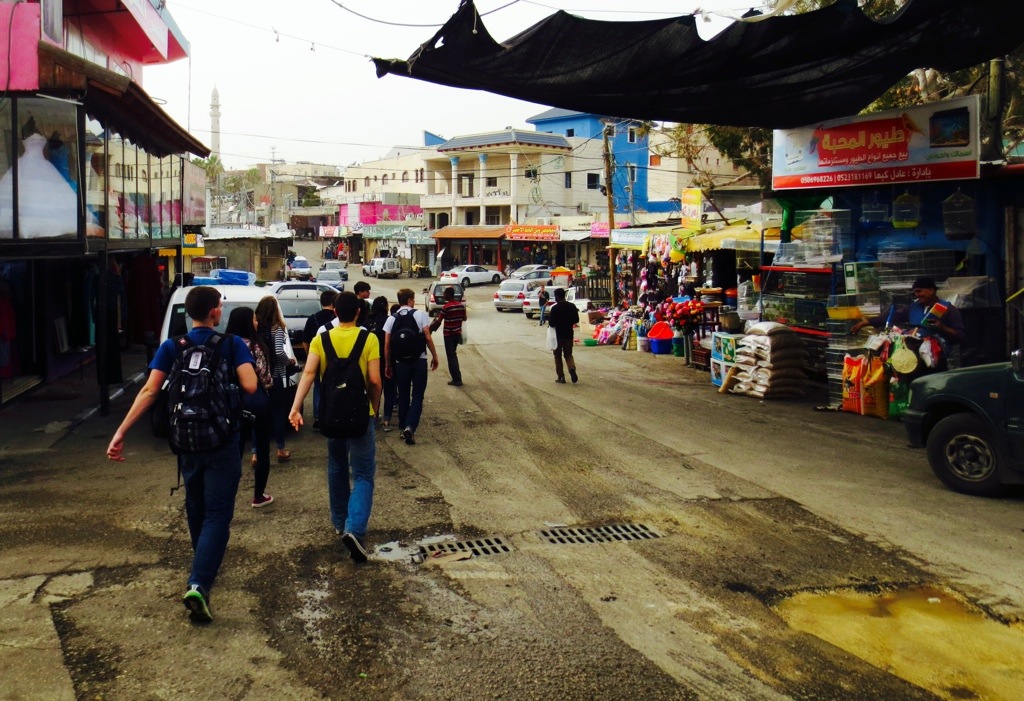
That afternoon she took us to East Barta’a, a place between the Green Line and the Fence. We walked through the whole town that has been set up by Palestinians who are selling things cheaply. They do not have to pay taxes, so they can take advantage of benefits such as the Israeli education system. It was hard to walk through this community because of how poor they are, but I did not feel unsafe at all, because they, for the most part just seemed excited to see us.

20140305-215059.jpg

20140305-214942.jpg

On Tuesday we continued talking with Lydia about how her Kibbutz worked. I did not expect a Kibbutz to be so big. Hers was funded through a patent that had been sold a while ago and is continued to be funded through people who are willing to pay for tours. A socialist like community is taking advantage of capitalism. Members have to work until they are 70, cannot own their own car, and have to contribute their whole salary and split it evenly with everyone. Lydia gets about $10,000 a year.

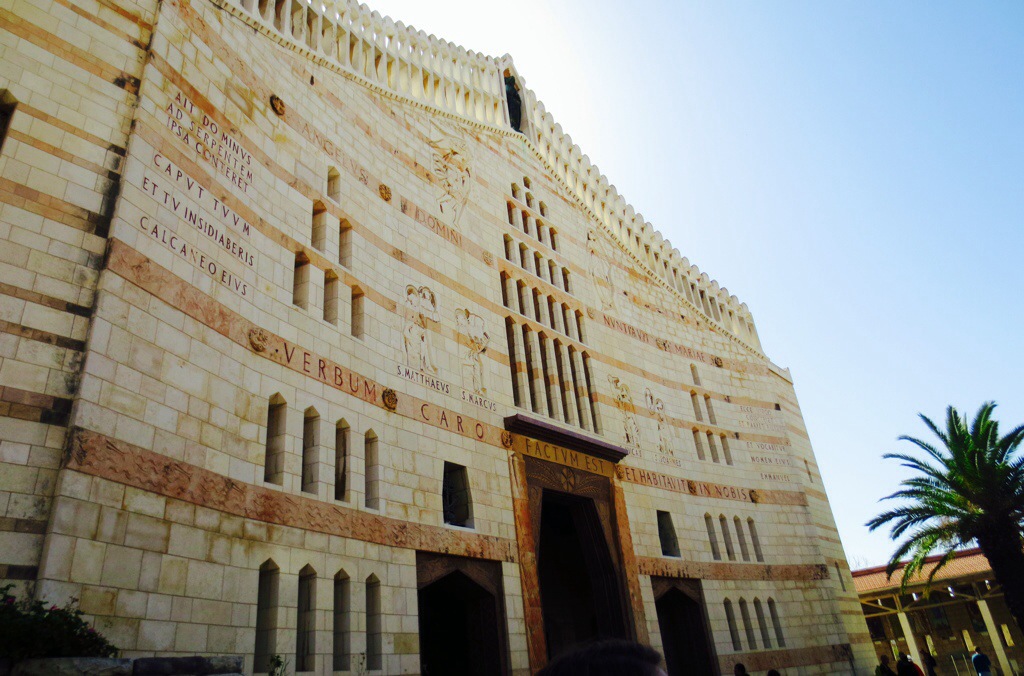
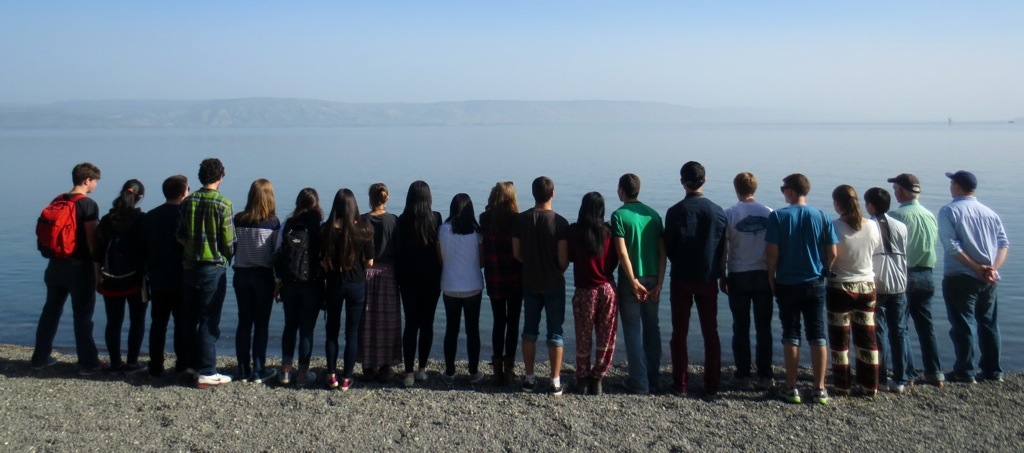
Today (Wednesday) we went to Nazareth. We went to the Basilica of Annunciation, Nazareth Village museum, the Church of Multiplication (Jesus served bread and fish), Church of Primacy of St. Peter (Jesus sifted post resurrection), Capernum (located on Sea if Gaillee), and the Church of Beatitudes.
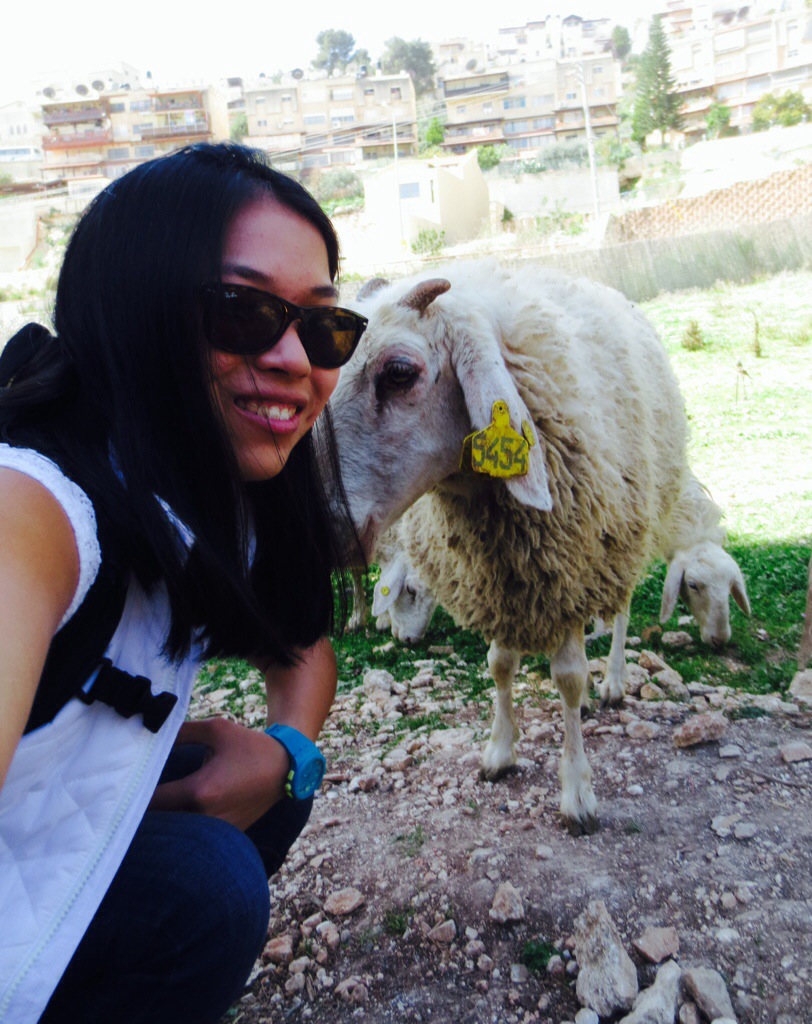
At Nazareth Village we saw what life was like when Jesus was alive. There were sheep, so of course most of us took selfies with sheep.

20140305-215216.jpg

20140305-214934.jpg

20140305-214952.jpg

Tomorrow we are off to the Holocaust museum and to meet our first host family!

Andes Mountain High

The two-hour bus ride from Cusco to Ollantaytambo allowed us to behold the Andes for the first time. Gasps were audible as the kids scrambled for their cameras, elbowed their neighbors, exclaiming, “Look at that!” I felt as if I’d never seen a mountain before these; hills and bumps, maybe, but not a real mountain. The imposing rocks jut sharply toward heaven and are something to be with reckoned with, for sure. Be careful here. But they are also majestic and breathtakingly beautiful. Oddly, they also seem welcoming. Perhaps it’s because they inspire such awe that we feel beckoned unto them.

We stopped along the road to take in the vistas and, I’ll just be honest, to use the bathroom. (Will I never again take a trip without a kid asking to stop to use the potty?) We tumbled off the bus and our relationship with the Andes began. Students sat down to stare at them. A few began to meditate. We hadn’t reached our destination yet and already we felt moved by this extraordinary space on the planet. It made me hunger for knowledge about the people who chose to carve (very literally) a civilization into these monstrous, unforgiving mountains.

Our home for two weeks is the village of Ollantaytambo, perched  in small valley where about six craggy peaks meet.  This was an Inca stronghold in the Cusco province and the estate of Emperor Pachacuti. It’s an amazing archaeological site and the footprints of the Inca have not been washed away by time. You can see the Inca everywhere, not just in the ruins that surround us, but in the faces of the inhabitants. You can hear the echo of their voices in the local tongue.

We met our representatives from World Leadership School who, on the first day, sent the students on a Global Issues Scavenger Hunt. The kids divided into teams and, without maps, had to find local products, sites or items. How do you do that without a map? How do you find items that you’ve never heard of before, such as a chakana? You ask the locals. It was a clever way to quickly break down barriers to interacting with villagers, to learn the layout of the town together and to simply learn what things are called. The students relished this competition won not by speed, but by quality of their answers.

Yesterday we hiked the massive ruins built on the side of a mountain, arriving at the Sun Temple. To stand in the Temple and survey the expanse around us left us as breathless as the altitude.  We saw specks of orange rooftops of our little village below. We saw the mountain we will climb for our trek and overnight camping. We saw the granaries of the Inca built impossibly high, magically high, otherworldly high on an adjacent peak. It’s difficult to comprehend the lives once lived nearly dangling from a precipice.

After our descent from the Sun Temple, we were guided to another sacred space in the ruins. There, we sat in silence to meditate and to journal. It was a profound silence broken only by the sounds of birds and the winds of the past and future.

What treasures will the Andes share with us next?

Meditation