Day 4–Mishmar Ha’emek Kibbutz

Kibbutz kibbutz2 SPJ_2976 Kibbutz 3

Socialist Practice in Israeli Kibbutz

Location: Ramat Hashofet

Tuesday, March 5th

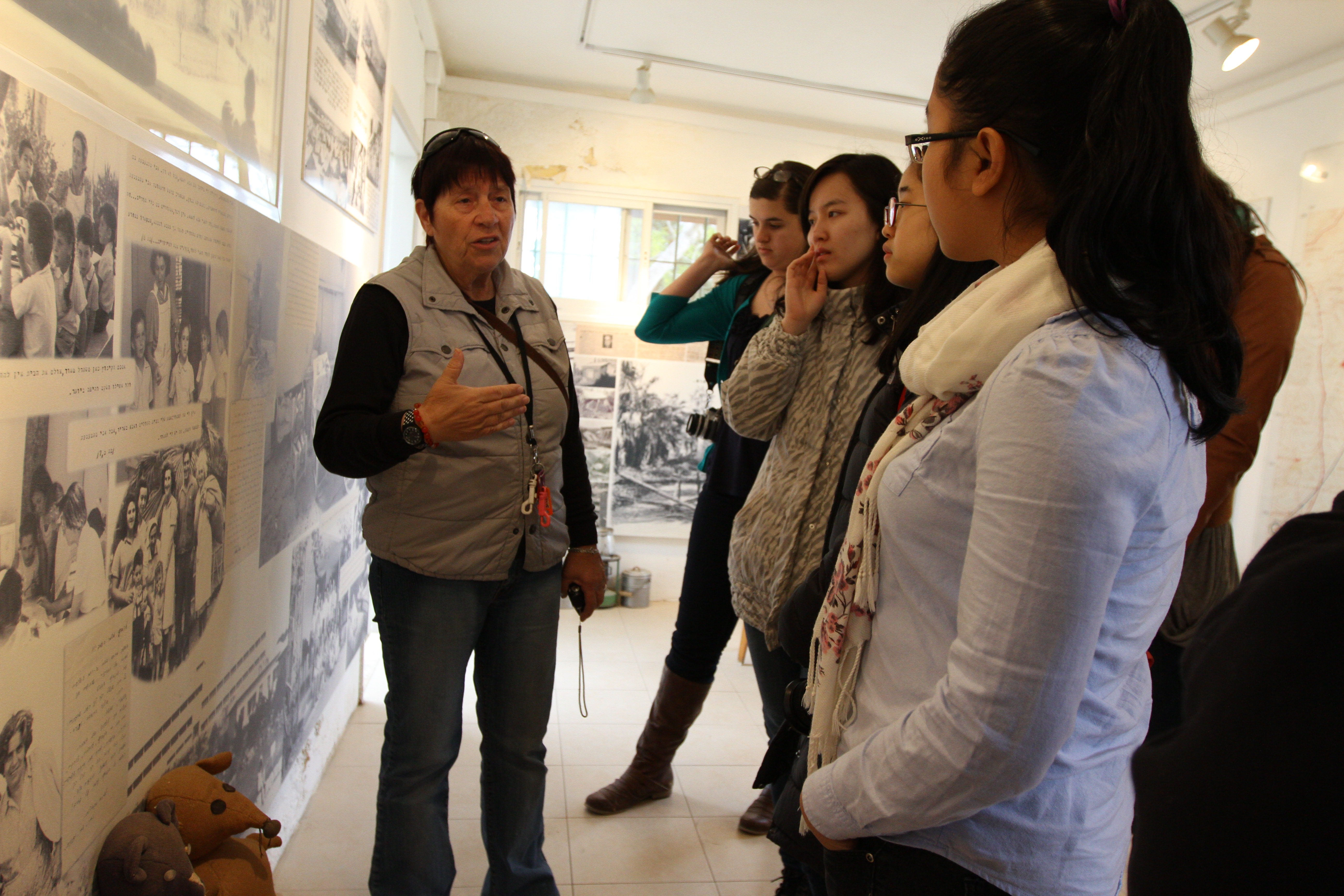
Today, I witnessed the success of Socialism at Lydia Aisenberg’s kibbutz. Members of her kibbutz work for businesses the kibbutz owns; everyone receives equal salary annually; people’s any living, medical and educational expenses are paid by the kibbutz.

A traditional kibbutz is a community where members live, work together and share the profit of their work equally. In the capitalist country of Israel, there are 273 kibbutz where 2% of Israeli population reside. Kibbutz movement was first developed by Jewish pioneers to support their work as well as to take care of their children.

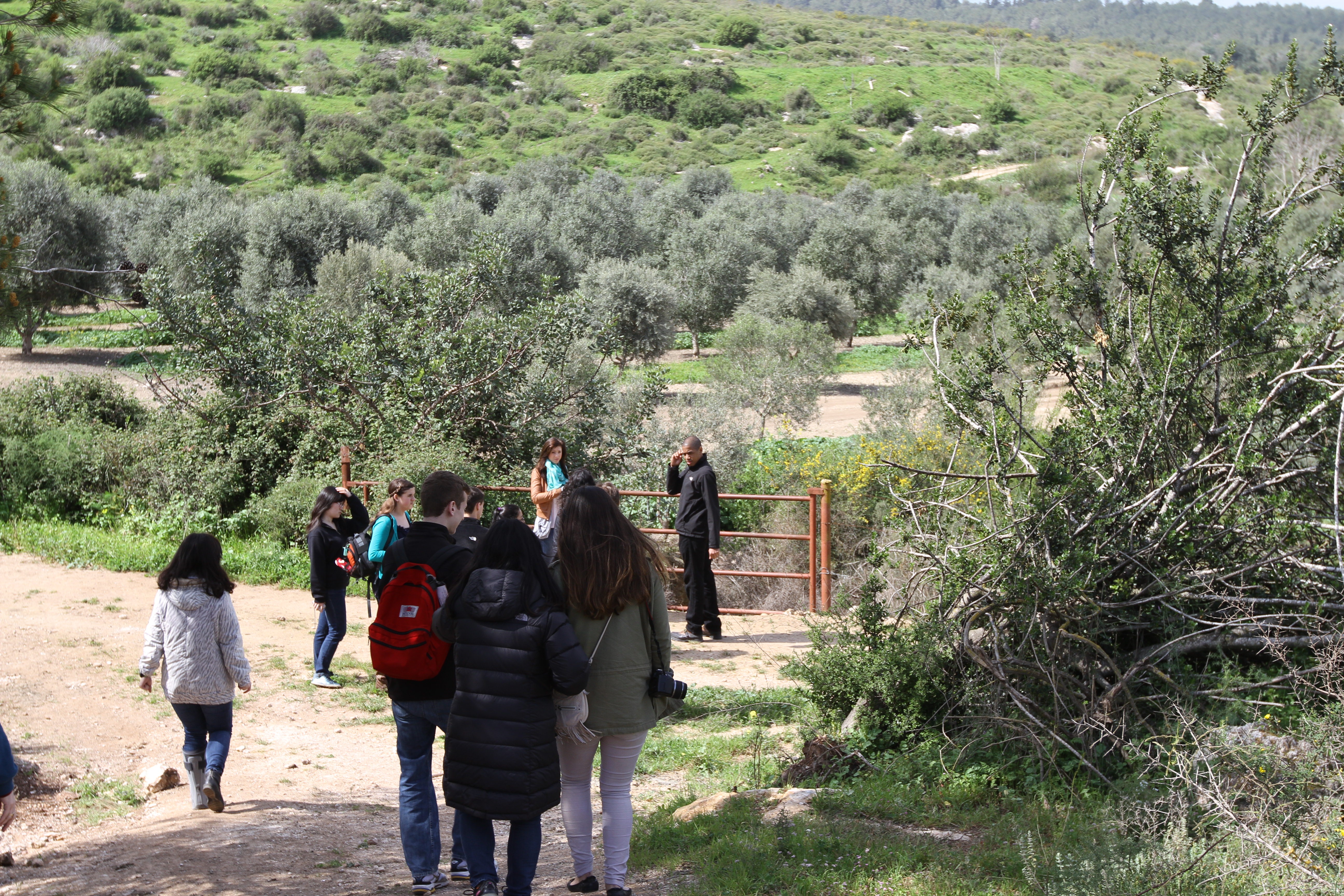
In Lydia’s Mishmar Ha’emek Kibbutz, there is a plastic product manufacturing factory, a chicken farm, a horse farm and multiple fruit fields. Members of the kibbtz work at either these industries or at other aspects of the kibbutz campus. In January, each person, no matter what work he/she does in the kibbutz, receives the year pay of 25,000 shekels which is the equivalent of $2,000. Besides employment for adult members, there is a complete day-care to high school education program for children as well as a nursing home for the aged.

While socialism practiced at majority of rest of the world, Lydia has proved to us that this ideology of lifestyle is possible. She mentioned that there are more and more kibbutz choosing to be privatized where members are paid proportional to the work they do; these kibbutz, however, then have just become the “normal” world. After a few years of economic difficulty, Lydia’s kibbutz has thrived. Members last year gained additional bonus beyond the annual salary; more social activities are organized to enrich the community life; the kibbutz is also closely involved in four humanitarian projects across Israel. It’s a completely different lifestyle,” Amir said on the way back, “they just seem so devoted.” Members of the kibbutz always have a choice to continue or to quit this lifestyle; the people who choose to stay really commit to it throughout their lives.

Lots of aspects of her kibbutz have characteristics of Westtown. People in the kibbutz live in a close community where everyone cares about each other and is involved in each other’s life. The community is trust based that people take responsibility to complete their work well. And the leadership of the community is based on a committee system. There are over 40 committees dealing with different parts of the kibbutz. The committees make recommendations to the whole community who then collectively vote on each issue.

Lydia also explained some challenges the kibbutz is facing. As the new generation grows up in the more modern Israel, they are more attracted by the individual lifestyle in which high living standard is emphasized. Lydia concerns if the kibbutz will be able to keep its identity. The community values democracy that everyone’s voice is heard. This, however, has caused much inefficiency in committee’s decision making process.
The Green Line

Location: Ramat Hashofet, Israel

Monday, March 4th

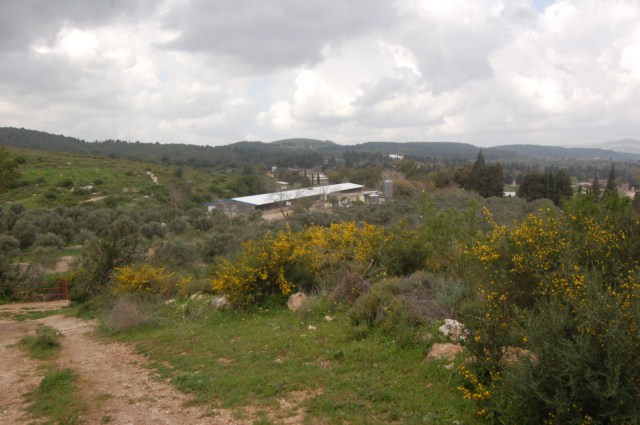
The Green Line, officially called the 1949 Armistice Line, is not actually a green line painted between Israel and Palestinian West Bank. 1949, in Rhode Island, several Israelis and American Ralph Bunche drew the line based on geography; Israelis then planted trees along the border therefore gave it the name the “Green Line”. But today, on a tourist map bought in Israel or a map in an Israeli geography textbook, the Green Line is nowhere to be found. Instead, a fence is built nearby.

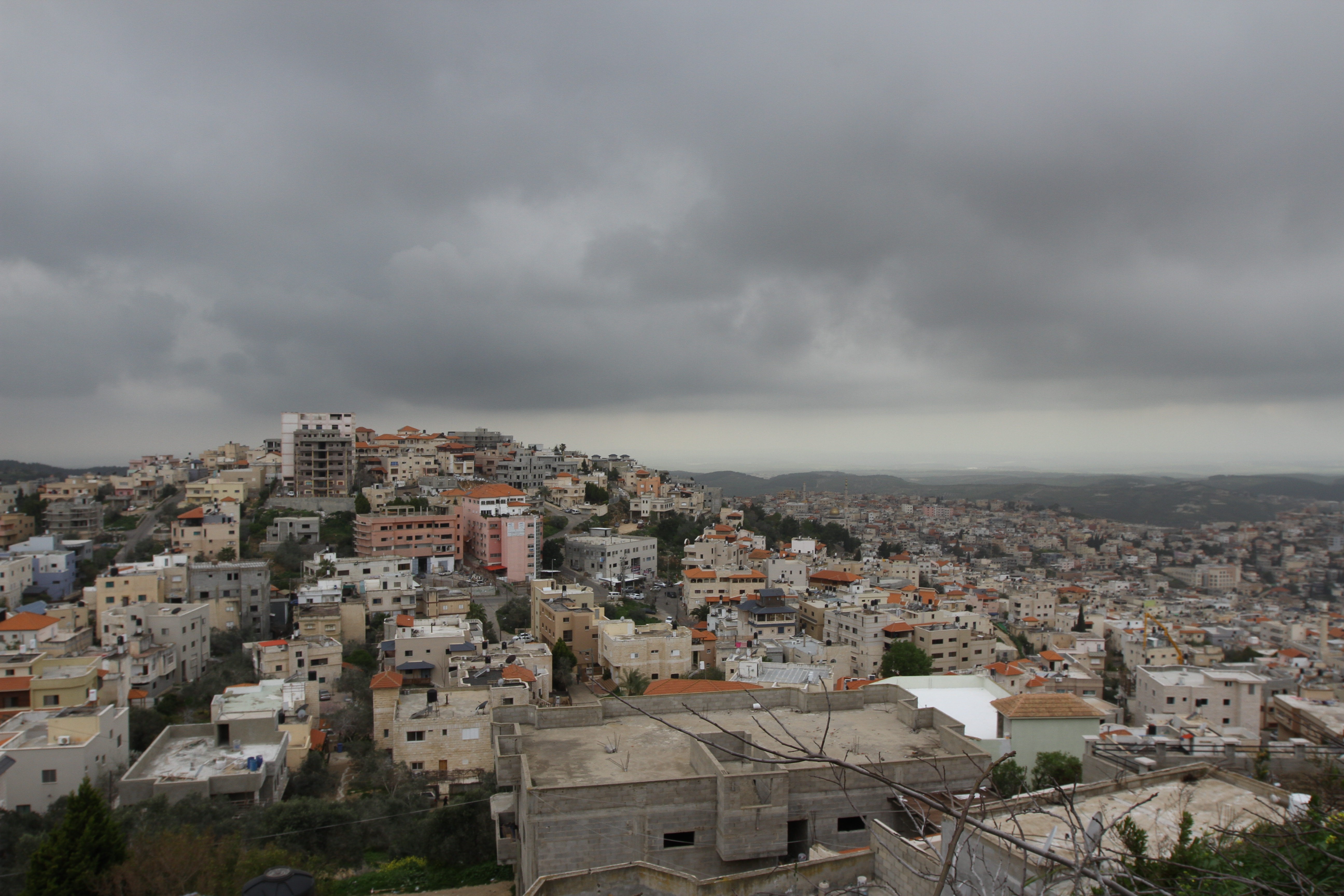
In the beginning, the fence was built along the line, but it diverges to include more Israeli settlers. We stood on the top of a hill over the town Anin. Hundreds of residences cluster in the valley and on the side of the hills. On the hills not far from Anin, there are a couple Israeli settlements on the other side of the fence. This is where the fence diverges with the Green Line. In between the two lines are Israeli settlements and Israeli Arabic communities that can no longer be in contact with families in the West Bank.

Anin

Continue reading “The Green Line”

A Short Bit In Which I Describe My Lufthansa Experience

“I’m a firefighter, if that makes you feel any better.” boasts the man sitting next to me, in response to my reluctant admission to being what they call a ‘nervous flyer’. Joe from Jersey, the firefighter, spends the next seven hours alternating between assuring me that he ‘never flies economy class’ (I’m sorry sir, but according to your seat assignment, you do in fact fly economy class just like the rest of us peasants), and snoring loudly. I made the mistake of telling him I spoke no German, to which he gleefully delegated himself the task of teaching me everything he knew. Nein, danke. 

I learned a lot more about Joe during that flight than I ever wanted to know, and quickly realized with a sinking heart that overnight flight meant I could not pointedly look out the window the entire time, too engrossed in nature’s beauty to listen to stories about his Slovakian girlfriend he was going to visit. As the maraschino cherry on top of the double-fudge milkshake brownie sundae, Joe gave me a parting gift as we exited the plane. It was a pocket sized cartoon pamphlet entitled ‘Where Will You Spend Eternity?”


Day #1: continued…

Nothing hits you harder than seeing the type of poverty you’ve read about, seen films of and researched. The salty desert sand touched my lips and stuck on the busride back to the hotel.

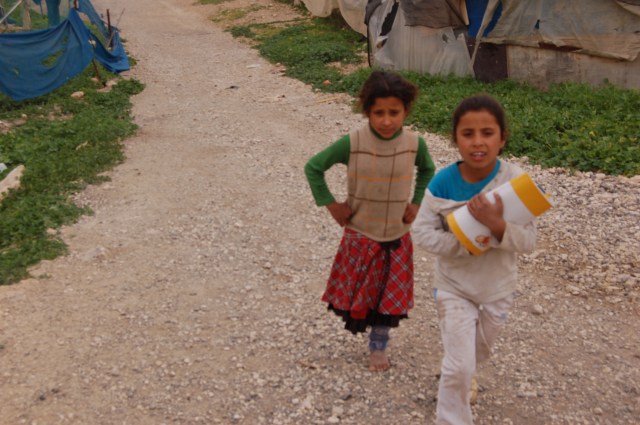
After our talk with Eid we were given time to walk about the camp and school yard. I wandered off on my own a little bit with both cameras (digital and film) around my neck and my backpack hanging behind me. I took an entire roll of film about the camp: from the broken playground equipment to the shack-homes themselves. After a few minutes I noticed I had a small posse growing behind me. Little girls from about 3-7 years old dressed in mis-matched outfits covered in desert dust and smiles kept pointing to my backpack with clever grins. I hadn’t realized we would be visiting the camp: otherwise I would’ve brought something like stickers or notebooks to give but all i had was my cameras, hand lotion, water bottle and hand sanitizer. The girls started grabbing at my backpack so I turned and kneeled in the land to be at eye level.

Jerusalem, Jerusalem…

Jerusalem, March 3, 2013

I’ve spent the past 30-ish hours in the breezy Middle Eastern air, and I still have a hard time believing I’m here. I love the weather, the food (every meal is served with warm, fluffy pitas with creamy hummus – which is actually pronounced with a defined “kh” sound from the back of your throat instead of a “h” – and ten different other types of dips), and the people who return my clumsy “Assalam alaykum” with a friendly smile, but I very soon realize that there is so much more to this land than the beautiful things I love. Continue reading “Jerusalem, Jerusalem…”

Settlements

Sunday, March 3rd

Location: Azzahra Hotel, East Jerusalem

Flight for Property Right IMG_0262 Overview of Old City The Dome The West Wall At Old City

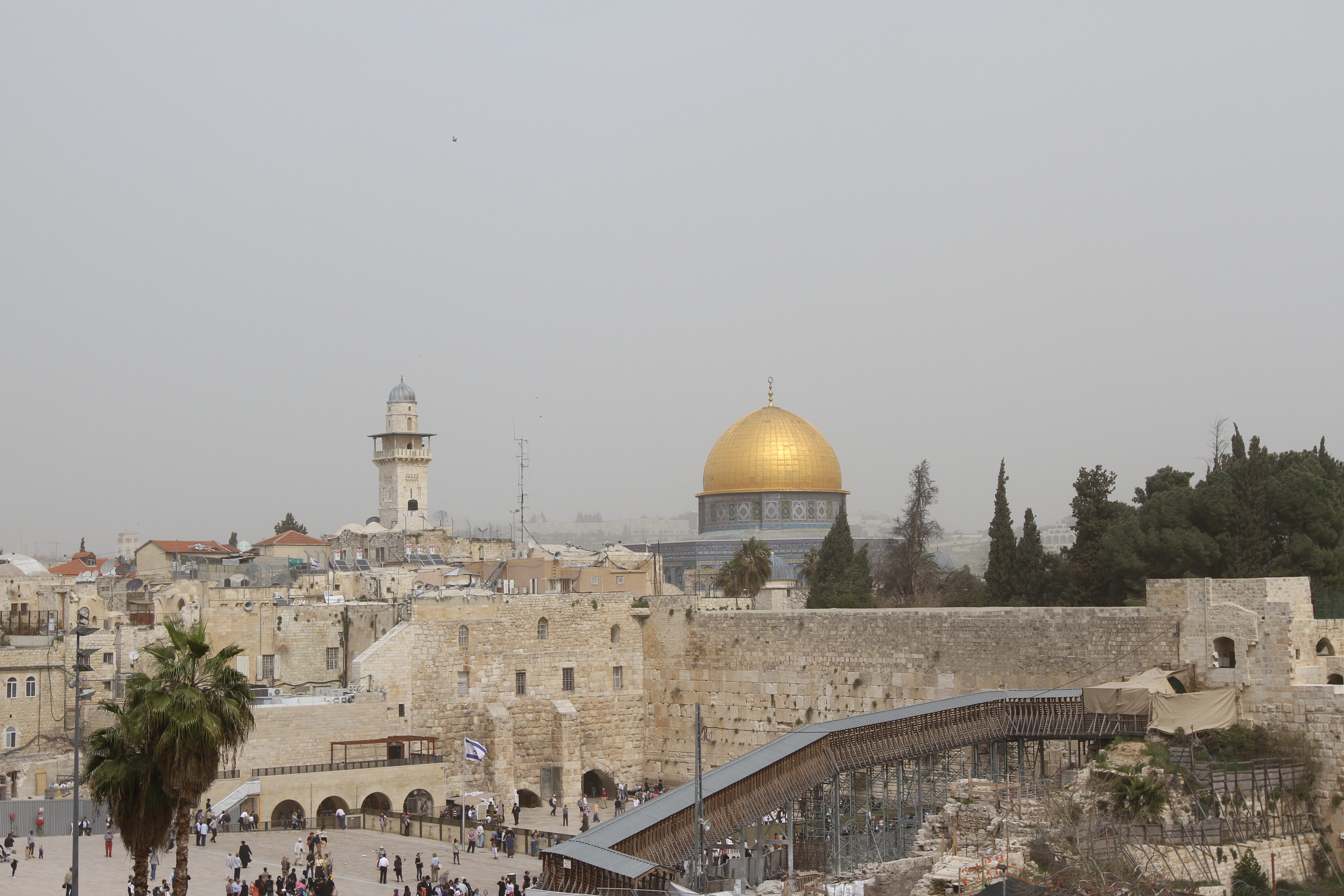
When talking about settlement, most people would think of Israeli Jews building residences and settling into Palestinian areas. But settlement can also mean cultural invasions. This morning, with a tour guide who is a Muslim born in Jerusalem, we strode through the Old City and covered the Islamic, Jewish, Christian and Armenian quarters. Each quarter has its own culture and religion; each cultural group tries to present themselves in the most prominent way. Christians have the Church of the Holy Sepulcher on the site where Jesus was crucified; Muslims have the Dome of Rock with the Koran carved on the inside walls; Armenians also built multiple churches; and Jews pray at the Western Wall of the Temple Mount. Each group wants more power. There is constant fighting among religious extremists, but the most controversial issue is the idea of rebuilding the Jewish Temple at the Western Wall. I realized that Israel-Palestine conflict is only part of the big conflict. Continue reading “Settlements”

Day #1: Jerusalem and Bedouin Camp


Today began with breakfast from 7:15-8:00 AM. The meal was held right downstairs off the hotel lobby into the restaurant area. When we first arrived last night we were brought fresh fruit baskets to our rooms and were offered orange juice upon entrance. This morning there was a modest buffet of traditional Israeli breakfast foods including soft cheeses, humus, pita (which seems to be part of EVERY meal) egg omelets, and most importantly a coffee machine. I enjoyed cucumbers and carrots as well.
After breakfast an older gentlemen in a striped button-down shirt, blazer, and corduroy pants greeted us in the lobby, ready to take us on a walking tour of the Old City. Our tour guide, Mohammad, started down the street, as we hurried along to keep up. The entire morning was spent walking in and out of streets within the Old City. One of the highlights of the morning was visiting the Western (Wailing) Wall. Continue reading “Day #1: Jerusalem and Bedouin Camp”