Family Not Foe – China Day 3

Written and posted March 5th, 2018

Sputtering, the coffee, sweet milk, sugar, and boiling water drip into my cup, the size of a toddler’s. It’s my 5th cup of the day and it’s only 7 AM. I add a couple pork buns and watermelon to my plate and that completes my breakfast. I am still full from dinner and the Hot Pot yesterday.

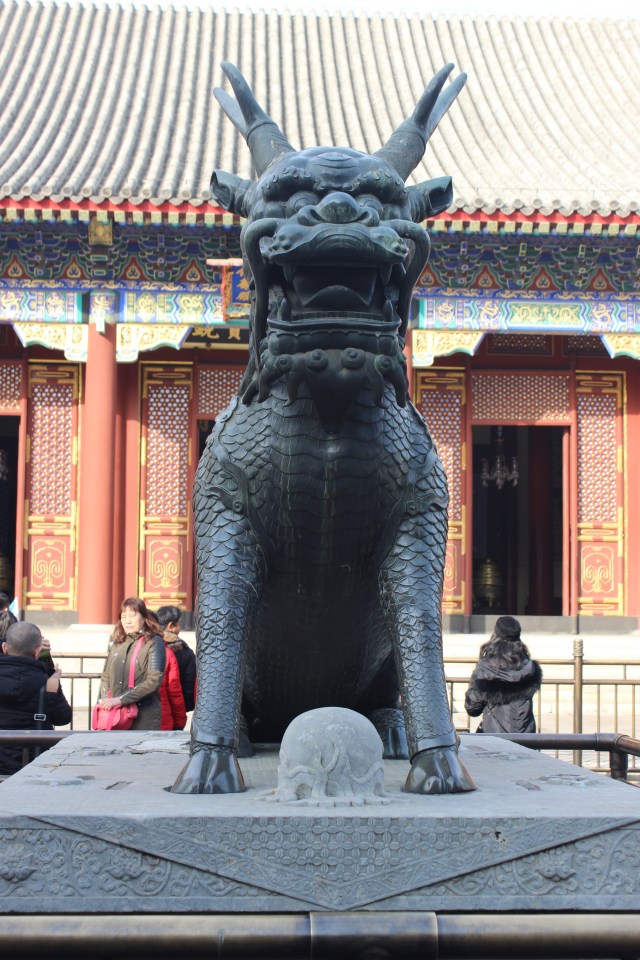
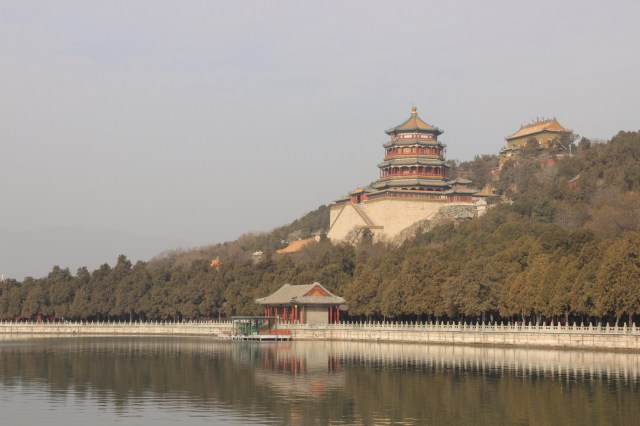
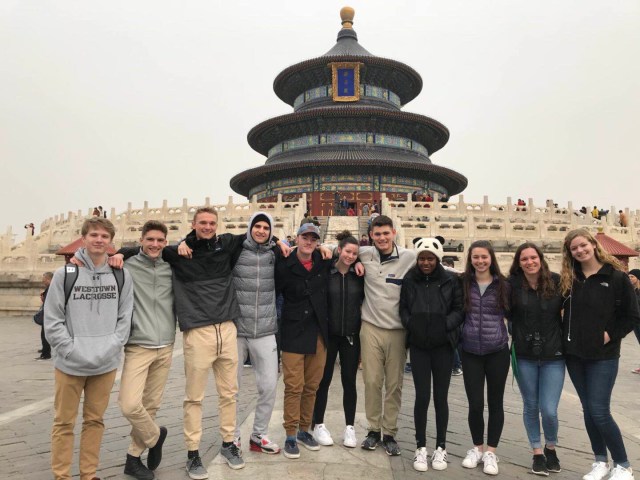
Bundling up, two sweatshirts and a jacket, I head to the bus to start my day. Stepping off the bus I am greeted by an intricate archway to the Summer Palace. As we enter, an older group of people are practicing Taji with a ball and racquet. Our group joins in, but we are not able to keep the ball on the racquet like everyone else. We walk through the Summer Palace that looks over a lake and a mountain with a Pagoda on top. Everything is so beautiful, no wonder the emperor stayed there for most of the year.

Freezing, we rush to the bus, excited to experience a tea ceremony. There are five different teas, oolong, black with lychee, rose, fruit, and jasmine. The person leading the tea ceremony pours the hot water into the mug, leaves swirling around in the midst of creating a delicious drink sliding down your throat and warming you.

My ears pop and mountains flash by as we pull up to the entrance of the Great Wall of China. As I step off the bus I see the long stretch of wall that is more expansive than my line of vision. I begin to climb, my legs burning after only 50 steps. I didn’t think I was that out of shape, but the almost vertical incline has me winded. When I reach the top I feel victorious. The view is spectacular. I am able to see the vast wall and mountains, struggling to tell where and if they end. After taking in all this beauty I finally begin my dissent. While it is terrifying and I slip down it more than I walk, I make it to the bottom still in awe of my accomplishment and the wall itself.

After dinner, we head to a local market and street for shopping. There are so many stores and restaurants. While I want to buy everything there: egg waffle cones, matcha ice cream, churros, crepes and more, I only buy milk bubble tea. The streets are still busting, but it’s getting late and we have a flight to Xi’an tomorrow. Taking the subway back along with all the locals we reach the hotel and check-in for the night.

See you tomorrow!

– Anna

The High Road (day one)

Overview of Day 1: Our day started in Santa Fe, New Mexico, an hour drive from our hotel in Albuquerque. Santa Fe is the capital of New Mexico and has large influences from both the Native American and Hispanic communities. Its buildings are modeled after the traditional adobe structures. This quintessential southwest look makes Santa Fe visually appealing while the arts and culture make it a key destination for many. Following our visit to Santa Fe, we made our way up through the secluded city, Taos, towards our first experience of Native American life on a reservation called Taos Pueblos. Taos Pueblos is a Native American reservation that has a unique and authentic look with it’s adobe structures. The community, in order to turn profits, charges visitors a small fee to walk around a certain part of the reservation and see these unique houses and get a glimpse into native life. After Taos Pueblos, we made our way down the scenic highway called “turquoise trail” or “the high road.”  This drive, for all three of us, was one of the most beautiful and powerful experiences with the natural world. It was full of history, spirituality, and miracles of nature that amazed us all.


Maggie’s reflection on Santa Fe:

We arrived in Santa Fe this morning at around 10, an hour and a half drive from Albuquerque (where we were staying). As soon as you enter the outskirts of the city, the designs of the houses transition into faux pueblo-style houses, modeled after the traditional adobe buildings of the Pueblo people. The area is populated by many white, wealthy artists and celebrities, looking for a remote escape from stardom. After arriving, we parked (for free!) and walked into the center marketplace, where Native street vendors were selling their handiwork. Dozens of extremely wealthy galleries lined the streets of the small city, while Native vendors, some travelling over five hours to arrive at the market, sold their jewelry and other products on the sidewalk of one block of the center market. There was something unsettling about the jewelers sitting in the cold, eagerly selling their art for $10 to $50, while wealthy gallery owners profited from the white fascination and appropriation of Native culture mere yards away.

Each vendor was willing to share their story with extreme authenticity and an eagerness to connect with us as individuals. Though conversations usually started with a simple, “Where are you from?” (always followed with a mandatory “Go Birds!”), they quickly escalated to life stories and family history. The kindness shown to us, tourists with cameras hanging around our necks, was unlike anything I’ve ever experienced living on the East Coast – though I soon learned it was the norm in this area. The face-to-face contact with people from Hopi, Navajo, Zuni, Santo Domingo, Taos, and many other tribes differentiated the marketplace sales from galleries that sell Native work for thousands of dollars, without recognition of the Native people who made it.

Though Santa Fe’s beauty and personality appealed to us visually, its underlying messages to its Native inhabitants revealed a darker truth. The community’s existence – in terms of profit, style, and population – relies on the exploitation of Native people. This first stop of our day gave critical context for the reservations and missions that would been seen later in the day.


Jane’s reflection on Taos Pueblos:

Taos Pueblos is truly a beautiful sight to see. As shown in the photo above, its stacked style of adobe houses is unlike anything you’ve seen before, and they are positioned in beautiful mountains that take your breath away. While a lot of the population lives away from these unique structures in more modern buildings, the traditional adobe pueblos still hold the homes and stores of many natives. The community of Taos Pueblo, in order to generate income, charges a small amount of money to people wanting to visit this unique area. We, like so many other visitors, upon arrival took out our cameras and started shooting. The colourful doors, the unique clay structure, the dusty landscape, and the beautiful mountains all had to be captured on film.

After 10 minutes of photo taking, I took my eye away from the lens to look at what I was so eager to take a photo of. I was suddenly very uncomfortable with every click of the camera. We were taking photos of people’s lives as if they were a play or mural. It was as if we were in a museum, learning about a distant civilization. I wasn’t connecting as a human being but as one species studying another species. I put my camera away and leaned into that uncomfortableness. The truth behind it is that this community had come to an agreement on using their unique landscape as a place to earn money. This system provides jobs and was an intentional choice by the people. The disconnect comes from our approach; when I use the camera instead of my eyes we sometimes lose that ability to connect with others. In some cases, a photo preserves something, but not if it hasn’t been experienced without looking through the camera lens than that moment is not a connection, a relationship, or a moment but rather just the sound of the click and a cool photo to wave around.


Gwyneth’s reflection on The High Road:

At one point as we drove along the turquoise trail, Ed (our guide) told us that the next 50 miles would change our lives. For me, this was absolutely true. The whole experience was unlike anything I have ever encountered and it will be impossible to do it justice in writing. To begin with, the scenery was magical. The road wound through the sprawling mountains, which dominate the landscape. Way up there, looking out the car window down at the valley below, I felt tiny among the astounding vastness of the New Mexico wilderness. But at the same time as I felt completely out of my element and intimidated by the rugged terrain, I also found myself strangely comforted. There is no way to look at beauty like that and not feel blessed to be alive to experience it. Although I am not a particularly religious person, I have no doubt that there is something spiritual about those mountains.

This spiritual element was made manifest by the various mission churches we saw along the trail. All of them were built in the simple and humble style of Spanish colonial architecture. Perhaps even more than the churches, the tiny towns we drove through demonstrated the strong spirituality of the people there – a mix of hispanics, natives, and some caucasians. Murals and graffiti on the sides of buildings show images of Jesus and the Virgin Mary. Colorful graveyards, their thin white crosses decorated with rosaries and fake flowers, sit on the edges of the towns. The mountains are filled with a strong and vibrant spirituality.

By far the most powerful spot we visited was Chimayo, a well-known Catholic pilgrimage site. In one part of the town, seven large stone crosses stand, each adorned with numerous smaller crosses placed there by visitors. Even more small crosses, many containing prayers and images of the Virgin Mary, hang along a fence surrounding this area. Several small shrines stand nearby, where people have hung rosaries and placed candles. Up a hill from this spot, we came across a small church , El Santuario de Chimayo, which was open to visitors. We were not able to take pictures of the interior, and it is difficult to put into words the power it conveyed. In the traditional Latin American style, the religious art conveyed a sense of vibrancy and joy at the same time as it was solemn and thought-provoking. I could have sat inside that little church all day, just taking in the imagery.

My Office For the Week- Cooking with a James Beard Award Winning Chef.

March 4,2018 10:00 P.M. CST

54173282819--FC5A9FB1-17C0-423A-BEAF-3654BB077221

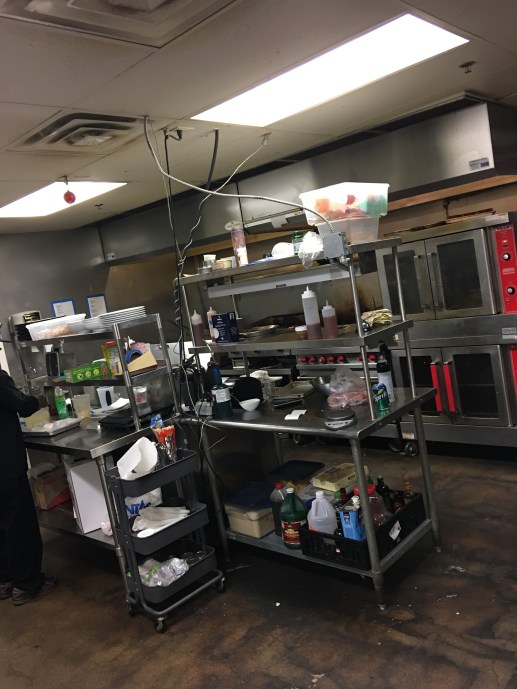
– The Kitchen at the Belfry in Kansas City.

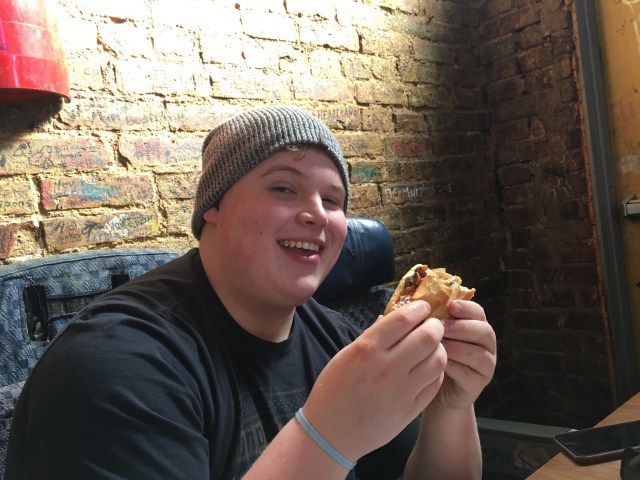
Well it has been a crazy first three days in Kansas City. As soon as I touched down, I knew it was going to be an amazing week. The first real surprise that I received was that within five minutes of getting off of my flight I had my checked bag. This, of course, was a complete first for me, because whenever you fly into a place like Philadelphia it takes at least a half an hour for the bags to get to you. As soon as I had gotten my bag I met with Chef Tio and we were off. The second surprise that I received was where we went for lunch. I would have never thought that I could get a Philly Cheese steak that was good outside of Philly. Boy I was wrong. Below is me enjoying a piece of home in Kansas city. (They even import the right rolls from Philly so it’s a true Philly cheese steak.)

IMG-5591 After that we headed over to the Belfry to open up, and get prep done before shift. That is when I met Keith who works in the kitchen, and John & Dan who are the bartenders. It just happened to be First Friday in KC, which is a giant arts night around town, so they told me to be ready for anything. Most of my night included making different types of dough, deviled eggs, and running food. We left early that night due to me almost falling asleep after eating my dinner because I was tired from traveling. As soon as I got back to Chef’s house I got in bed and fell asleep. Saturday began with me sleeping in until around ten-ish. Today was a long day ahead of me. Between working again that night Chef and I went and did most of the shopping for the restaurant. This also meant we had to go to the restaurant Depot. As we pulled into the parking space Chef told me, “If you hear beeping get the heck out-of-the-way, because they have these forklifts go way too fast and the will run over you.” Just towards the end of the shopping, I almost did get run over. Then it was back to the belfry to begin service. We stayed pretty late working in the kitchen due to a few massive waves of people coming for dinner. Luckily Sundays are an off day so we could relax tomorrow. Well I was somewhat right.  In between picking up Yiheng who is another senior doing the project with me, and him suggesting that we go to a doctoral piano recital; we got a run in at the local park.  And here we are back to work tomorrow. I cant wait to see what this week has a head of me!

–  Noah

Is Ireland my True Homeland?

March 4th, 2018

Hello everyone! My name is Sarah Murray, I’m a senior and part of the class of 2018 at Westtown and about to embark on my Senior Project. I’ve been attending Westtown since I was in kindergarten and to say that I’ve been looking forward to this week for a long time would be an understatement. Currently, I’m in the international airport terminal at Philadelphia waiting to board for my flight. You might be wondering where I’m going (if you didn’t read my blog post title). Well, after several lengthy conversations with my parents and swim coach, I decided that I would go on an independent Senior Project and travel with my father to Ireland to research my family heritage. My grandfather would constantly talk about my family history and our family members who still lived in Ireland. He was so passionate about the subject that I decided to go back to visit “homeland” and see what’s so special about Ireland. Plus I’ll be able to have consistent pool time in Ireland so I can continue my training for my Swim Championship which is the first weekend in April.

I will be landing in Dublin sometime Monday morning around ten. From there I’ll be driving to a small town outside of Belfast called Ballyclare where my aunt and uncle Rachel and Stephen Deyermond live with their daughter Martha. I’ll be spending a couple of days with them before visiting my family homestead in Ardrahan. My great-grandmother who I’m named after grew up in this homestead with her nine other siblings before she immigrated to the United States in 1937. After this part of the trip, I’ll travel to some other cities and towns, such as Donegal and Port Stewart in Northern Ireland. I’ll also be visiting some of the sites where they film the popular television show Game of Thrones since I’ll be in the area. I hope that by traveling to Ireland for my Senior Project I’ll feel more connected with my ancestors, my larger family, and come to understand why my grandfather felt so connected to this magical place that he would often reference as my homeland. 

Signing off for now!

~Sarah

À Paris, Tout Sera Mieux

March 4th, 2018

IMG_6336.JPG“A walk in Paris will provide lessons in history, beauty, and in the point of Life”–Thomas Jefferson

To be honest, today might not be the best day to travel to Paris. Philadelphia has just seen its largest snow storm of the year, and in Paris, it started raining. So, I started my 42 hr day by worrying about whether my flight would be cancelled like those of my fellow classmates were the day before. When I finally boarded the 7-hour flight, I worried my French skills wouldn’t be able to hold up enough for me to survive in Paris, whether my horrible navigation skills would get me lost in the meandering streets of Paris, and whether I would get along with my host family and my classmates. Yet, when my plane landed at the Charles de Gaulle airport, a strange, warm force began to calm my racing heart down a little by little. A really small yet comforting voice whispered, “Tout sera mieux.”

Truly, everything did become better. My host family came to the airport to pick me up and we road back to the central city on RER (my first time on a French metro train, check). We conversed casually during the ride and during lunch. My French is holding up to the test so much better than I expected and my host family is more kind and welcoming than I could describe with words. They would teach me new vocabulary, phrases, and slang, correct my little grammatical and pronunciation mistakes, repeat and paraphrase when I don’t understand, and they even gave me a thick stack of tourist guides, pamphlets, and maps to help me plan my stay in Paris.

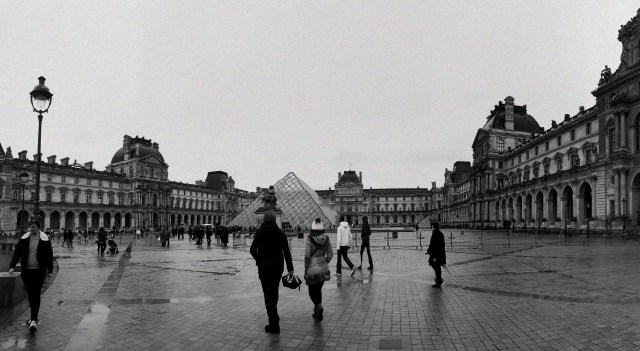
After an extremely delicious and relaxing lunch, I decided to scout out the classroom where I will take class for the next three weeks and to take advantage of the free admission at the Louvre Museum the first Sunday of every month from November to March. My host family lived in the Quartier Latin (the best district to live in for culture lovers) on the left bank of the Seine, right around the famous Sorbonne, the oldest university in France (the Quartier gets its name from the language of instruction, Latin, of the prestigious university in the Middle Ages). Because of my convenient location, I decided to take a walk in the rain instead of taking a bus and a métro again. After all, Paris is rated the best city for a promenade.

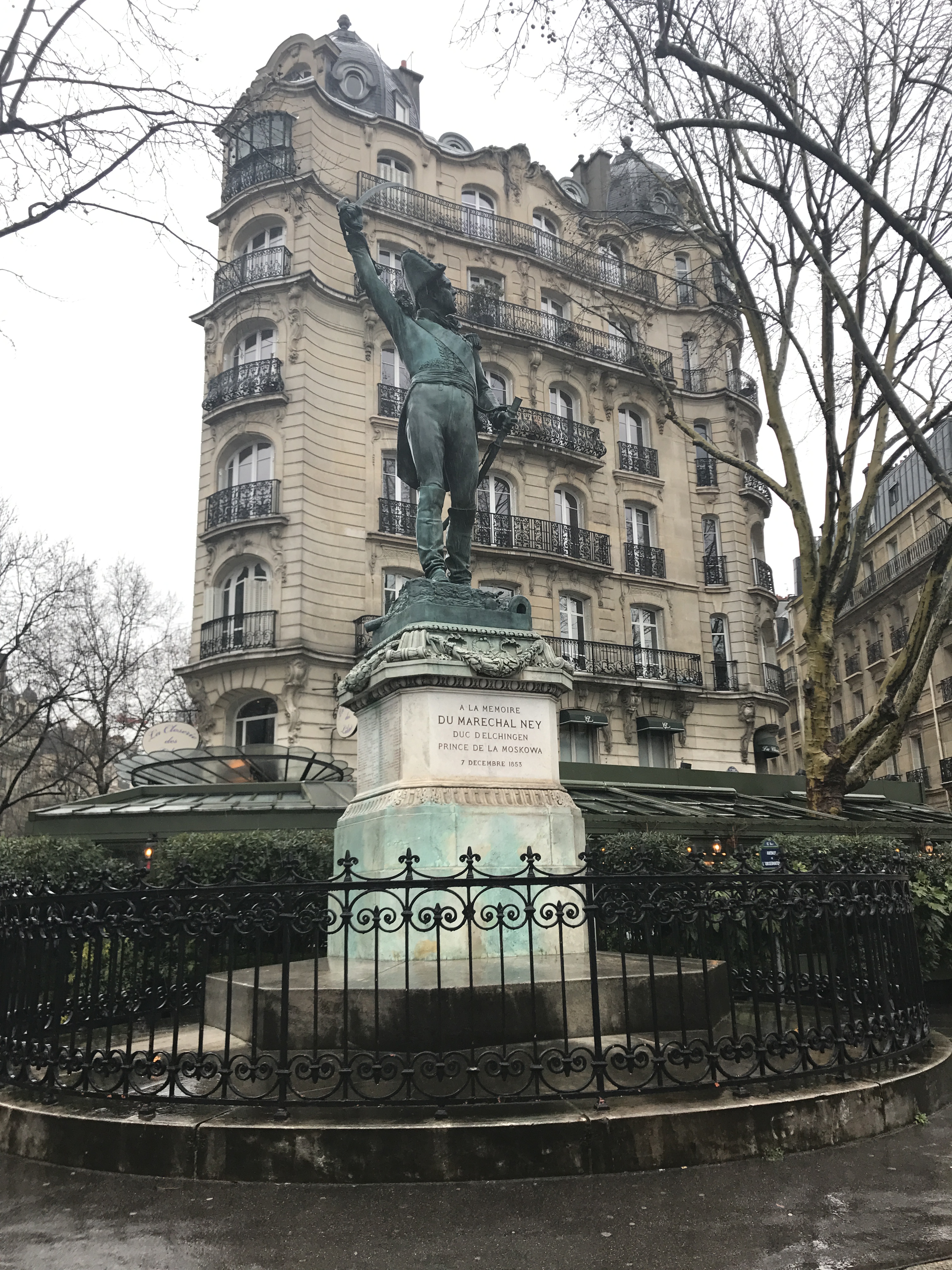
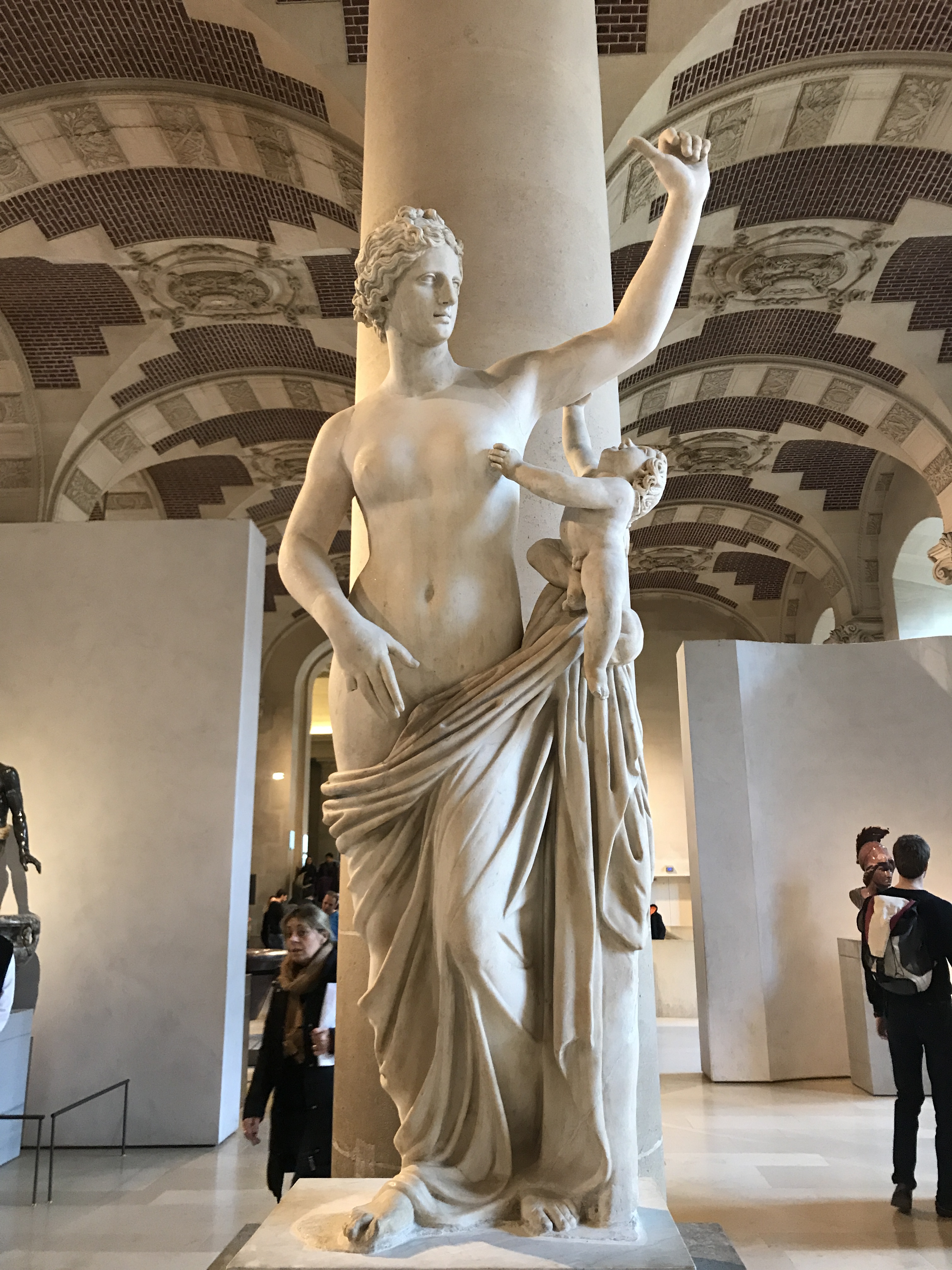
IMG_6305.JPGRain dripping from the parapluie, feet tapping on the cobble road, eyes wandering, nose taking in the fresh air washed by the rain, heart filled with indescribable bliss, I started to find my pace among the Parisian streets. I loved how nobody seems to be in a great rush, nor trying to procrastinate. I loved how any unintentional picture of a random corner of the road gives off an unaffected elegance and beauty. At Paris, no one is trying to imitate someone or to be someone they are not. Yet, everyone and everything strives to become their best selves, and thus, the city is collectively striking, irreplaceable, and free. A promenade along Paris’ streets lets me see the history and beauty of the Latin Quarter and the Seine, gets me to my destination, the Louvre Museum, but most importantly, moves me to find my own rhythm and my true self.

IMG_6331.JPG

Trading the Old for the New – China Day 2

Written and posted March 4th, 2018

As I realized yesterday, it was very hard to write a blog post at the end of the day since I was so tired from everything that we had done. I’ve decided that I will post a written blog post every couple of days and other days will just be photos. Today will just be photos, enjoy!

-Anna

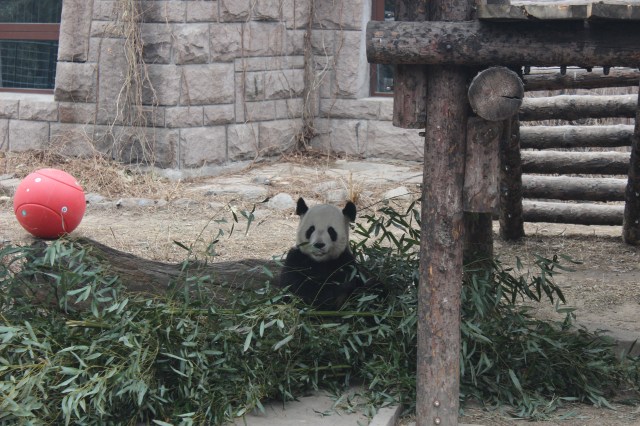
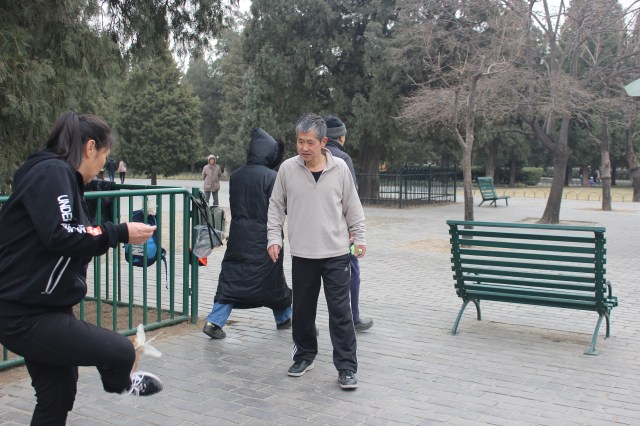
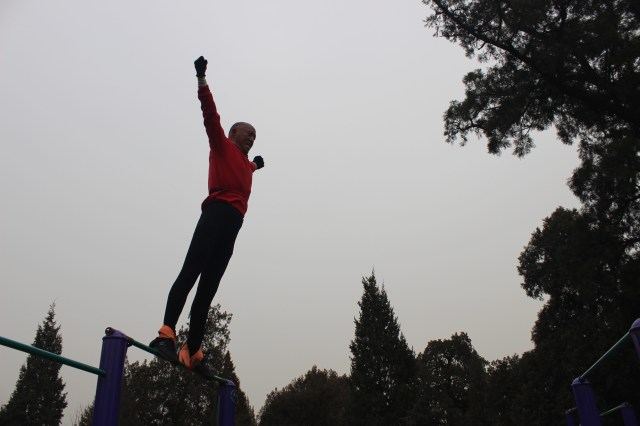
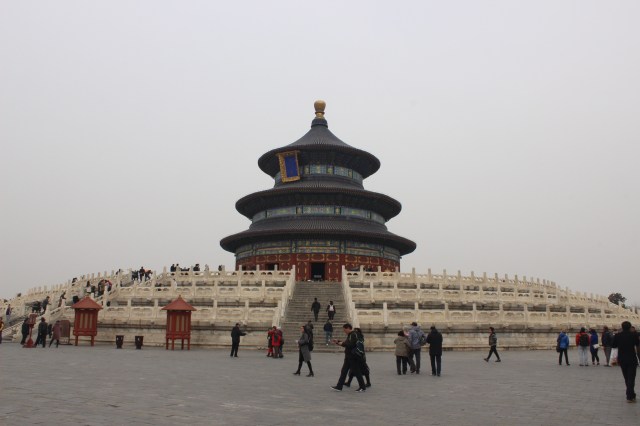
Giant Panda at the Beijing ZooHackysack in the park Gymnastics as morning exercise Rickshaw ride to a local home for lunch Temple of Heaven Forbidden City Street foodPeaking Duck for dinner Hot Pot as our second dinner

Furnishing the Tiny House — Ethan

Hello everyone! My name is Ethan McLear.

I’ve chosen to remain local for my senior project — I’m working in the school’s woodshop to fill a space that was created by seniors of 3 years ago: our on-campus Tiny House. The layout for its interior space has gone through several iterations, always with the intention of using the space as efficiently, naturally, and sustainably as possible, and it’s my hope to contribute to this essentialist living space.


In outlining my goals for this project back in October, I found that I could best articulate them in terms of the framework for leadership developed by the National Outdoor Leadership School. As part of their 4-7-1 model, there are seven leadership skills:

Expedition Behavior // Competence

Communication // Judgment and Decisionmaking

Tolerance to Adversity // Self-Awareness // Vision & Action

My six goals, built on those leadership skills, are:

  1. Improved skill in craft —This is the umbrella objective I hope to achieve; the objectives listed below fit under this general goal, but each merit further explanation.
  2. Articulation of process (Vision and Action / Communication) — I’ll need to clearly lay out a plan of construction, and have confidence in that plan leading to a finished product I’d be proud of.
  3. Adherence to process (Competence / Judgement and Decision Making / Tolerance to Adversity / Vision and Action) — Just as important as the plan itself is my ability to remain on-course and carry out the plan we’ve agreed upon. This might entail having to revise minor aspects or it may mean branching off in a completely new direction.
  4. Personal responsibility in a shop environment (Self Awareness) — I’ve spent plenty of time between the D&E Lab, the Woodshop, and the Theater Scene Shop, and in all of those shop environments, personal responsibility and awareness are critical.
  5. Improving an existing space on campus (Vision and Action) — Whatever the function of my piece, and wherever it lives, my hope is that what I create will be utilized and appreciated.
  6. Leaving a mark (Competence / Vision and Action) — I suppose I’m playing into the natural human tendency to want to leave behind a memento by which I’ll be remembered, but I guess there’s also a reason why this tendency is basically universal in people.


As I’ve already had nearly two full days of work, I’m writing a bit behind schedule, but I’ll make up for that with pictures!

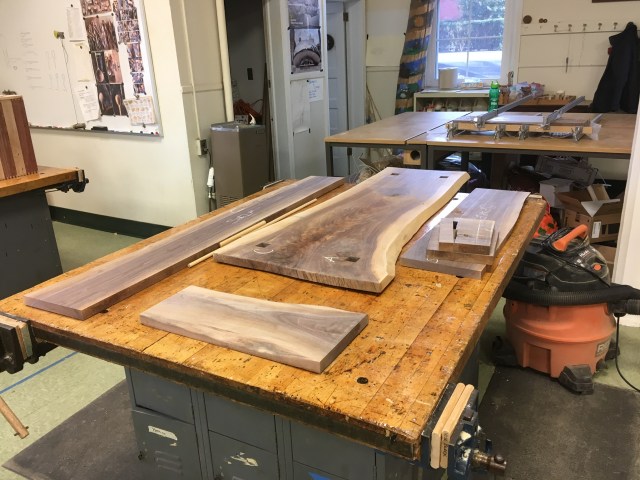
  1. Walnut tabletop, with two mortises (holes) completed to satisfaction, two still to goIMG_0687.jpg
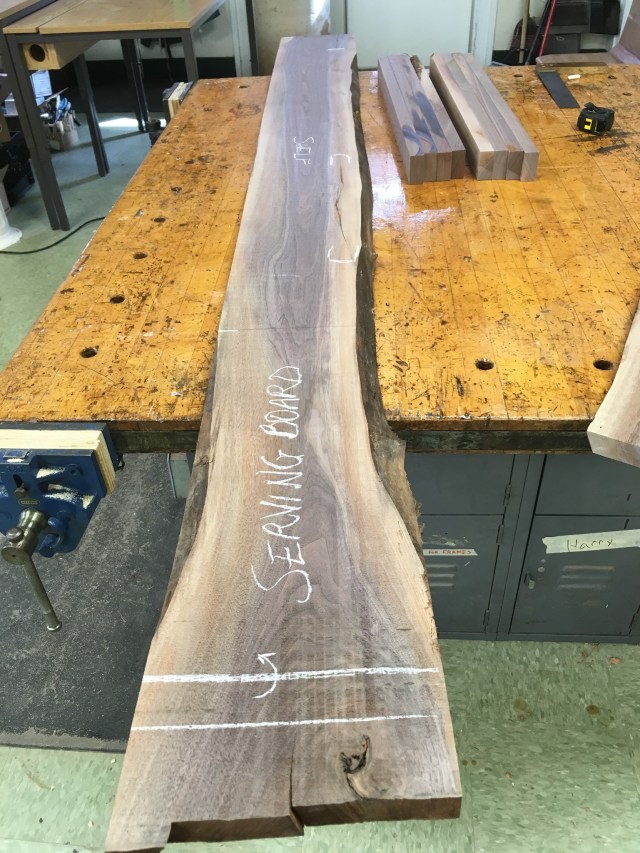
  2. Long walnut board, material for table legsIMG_0006
  3. Potential shelf spaceIMG_0007
  4. Shelf / serving board, pre-separationIMG_0008
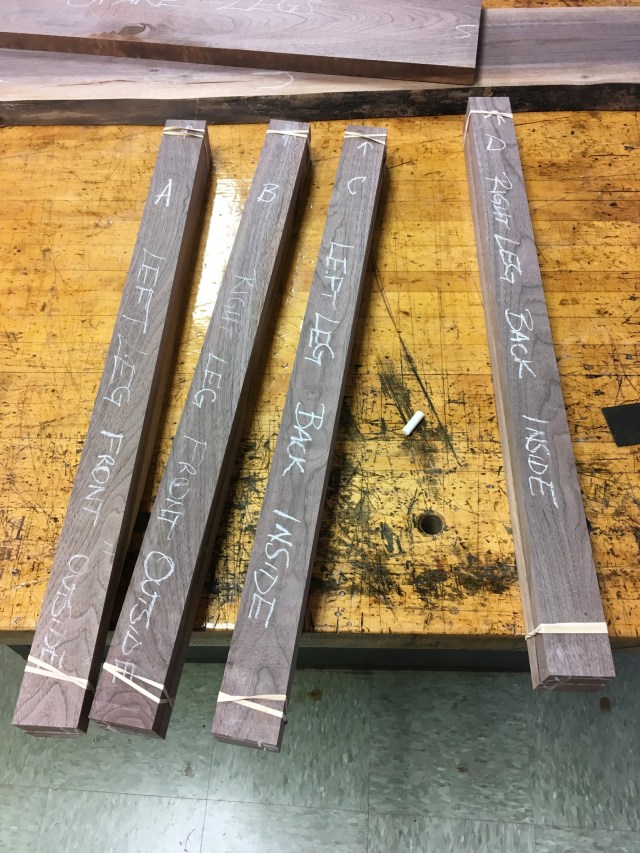
  5. Four legs, cut into eight 1×2 lengths, paired according to grain flow, pre-gluingIMG_0011
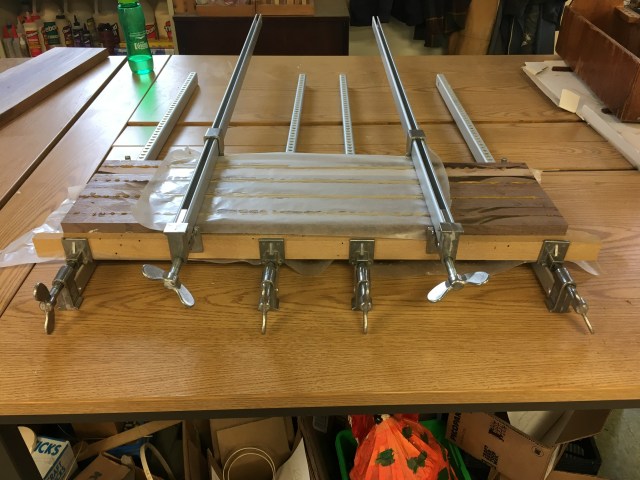
  6. Legs clamped and glued up, setting overnightIMG_0013
  7. Serving board (currently thinking about feet for this one)IMG_0015
  8. Everything all together: from left to right, long shelf, serving board, tabletop, refuse/spare leg material, legs glued together and drying.IMG_0017


Most of my work will happen in this coming week, so I expect to be posting daily until at least this time next week. Lots more to come!


— EDM

24 Hours of Night – China Day 1

Written and posted March 3rd, 2018

Departing from Westtown (on Thursday) we took a bus to the Newark International airport. When we got to the airport, we found out that someone on the flight had a medical emergency and there was not enough oxygen for us to fly to Hong Kong. All of the options we were given were bad, especially with the impending winter storm the next day meaning we’d lose at least two if not more days. However, after much deliberation between the teachers and the airport staff, it was decided that they would give a stipend to thirty people who left, and our group had priority to stay. We all made it on the flight and landed in Hong Kong at 5:30 AM on Saturday. Hong Kong was the first time we had seen daylight in a little over twenty-four hours.

After one more plane ride, this time only two hours, we made it to Beijing. We met our tour guide Sunny at the airport. While we were driving, Sunny told us a bit about the history of China and Beijing. Sunny mentioned something called a political blue sky which I found interesting. A political blue sky is when a political leader is coming to Beijing and all the factories close so there is no smog and the sky stays blue. I was surprised that Beijing knows their air is extremely polluted but does not do anything to prevent it except for powerful figures.

Sunny also took us to lunch near the Olympic village and the Birds Nest, the Olympic stadium. The restaurant was similar to Westtown, in that it was family style. There was a lazy-susan in the middle of the table with all of our food which we spun when we wanted another dish. However, a major cultural difference was the utensils. I have never been good with chopsticks and while I struggled to use them, I know it will get easier as the trip goes on. Another cultural shock was the bathroom in the restaurant. I had to squat over a hole and bring in my own toilet paper, very different to bathrooms in the States.

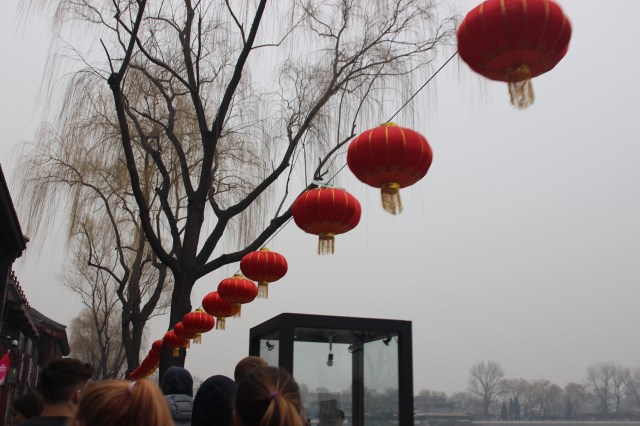
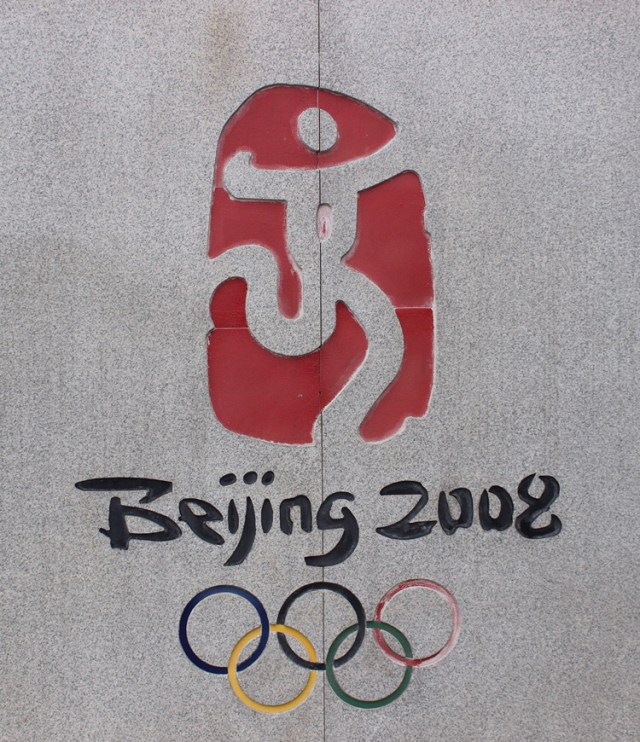
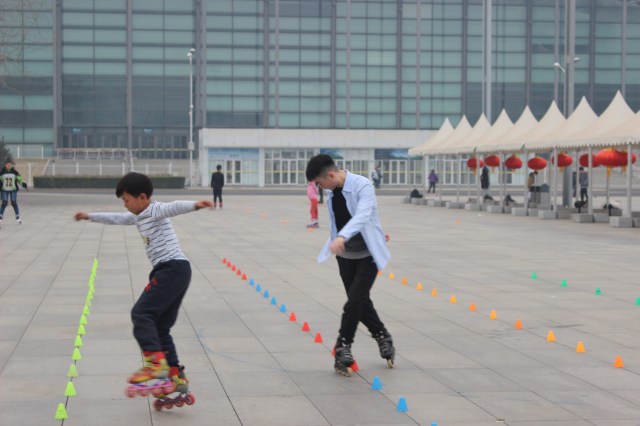
When we went to the Olympic village we saw the Birds Nest, the swimming pool, a winter only man-made ski hill, and people doing tricks with rollerblades. The park also had buildings that, when looked at together, were in the shape of a dragon. After leaving the park we walked around the Houhai Lake District and went to dinner, which was in a similar style as lunch and was very yummy! While this was only a brief preview of my day, I’m experiencing extreme jet lag, so I am going to get some sleep. Thanks for reading! I’ll try to post again tomorrow.

– Anna

Lunch!

Entrance to the Olympic village

Birds Nest

Dragon made of buildings

Performance rollerblading

Lake Houhai District

A Glimpse into the Native American Narrative (prologue)

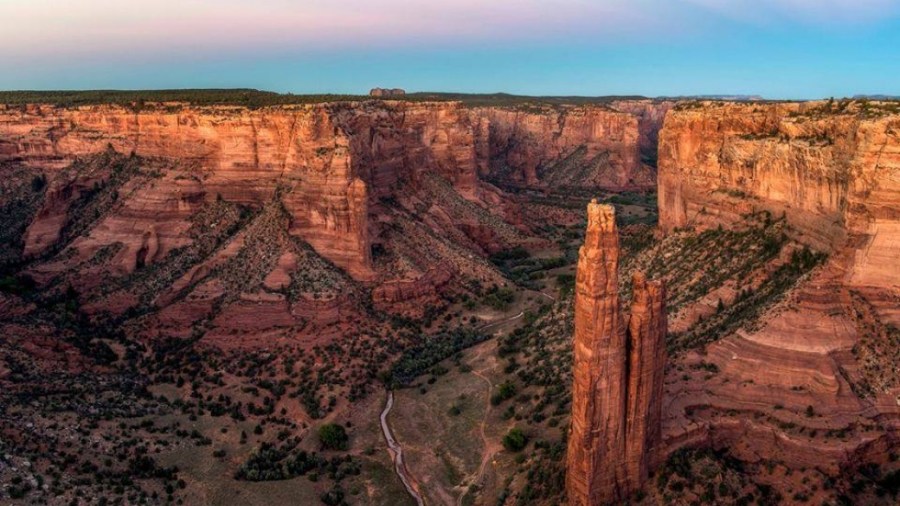
Hello, blog-readers! Our names are Gwyneth, Maggie, and Jane, and we’re here to talk about our upcoming Senior Project visiting the Navajo and White Mountain Apache Native American reservations in New Mexico and Arizona. Along with those two reservations, we will also be visiting other sites, such as Taos Pueblos, Santa Fe, Chinle, and the Canyon De Chelley. Our guide and mentor is Ed Cunicelli, a freelance photographer and parent of a recent alum. Ed’s photography for Johns Hopkins Center for Native American Health has taken him to these areas many times before, allowing him to have established strong connections and relationships on the reservations. One of us will be posting to this blog daily about our experiences, and hopefully will be able to attach some photos in order to further illustrate our day-to-day activities.

We are super excited to head off this Saturday to start our adventure. This idea has been long in the making; ever since we had the opportunity to see Ed’s photos from his Westtown assembly this fall, we have been captivated by the idea of getting a glimpse into an often neglected, but fundamental narrative in our country’s history. In order to prepare for our trip and to start understanding the community and culture we are about to witness, we have been reading two books about the Apache and Navajo experience: Navajos Wear Nikes by Jim Kristofic and Don’t Let the Sun Step Over You by Eva Tulene Watt and assisted by Keith H. Basso. Both books take different perspective that have helped us understand the people and the history. In addition to the books, we have been researching the history and context of these places and people. It is important that you, as our readers understand this narrative as well, so that your reading of our posts will be grounded in some historical context. We have laid out a summary for both the Navajo and the White Mountain Apache people to start:

The Navajo:

The Navajo, who call themselves Diné (meaning “the people”), constitute the largest reservation-based Native American tribe in the United States. Their reservation spans 25,000 square miles in the four corners region of the American southwest. They arrived in the southwest around the year 1050 CE after splitting off from the Athabascan people and migrating southwards from Canada. Influenced by the Pueblo farmers already settled in this area, the Navajo hunter-gatherers adopted an increasingly agriculture-based lifestyle. This process was accelerated by the arrival of the Spanish, who introduced horses and livestock to the Navajo, in the 16th and 17th centuries.

As was the case with all Native American peoples, the arrival of Europeans subjected the Navajo to substantial hardship. Initial conflicts with the Spanish eventually gave way to new conflicts with white American settlers. In response to the so-called “Navajo problem”, the US Army employed tactics such as destroying of Navajo crops and burning down their villages in order to force them into a concentration camp in New Mexico known as Bosque Redondo. Those who refused to surrender were driven into the mountains to freeze or starve. In 1864, the survivors gave in and were made to embark on what is known as the “Long Walk of the Navajo” – a 370 mile journey to the camp made entirely on foot. Hundreds perished during the journey and as a result of the inhumane conditions at the camp.This period of internment was brought to an end in 1866, when the Bureau of Indian Affairs assumed responsibility for managing the Navajo and the US government created the Navajo reservation out of a small portion of the tribe’s original territory.

Since 1969, the Navajo land has been known as “the Navajo Nation” as the result of a resolution passed by the Navajo Tribal Council. The structure of the Tribal Council was reorganized in 1989 and today the government of the Navajo Nation is based on a system of checks and balances between its executive, judicial, and legislative branches.

The Navajo religion places a large role in tribal life, with even the large population of Navajos who identify as Christians continuing to engage in traditional spiritual practices. The Navajo believe that the universe is inhabited by two types of people: human beings and and Holy People, who inflict disease and disaster in response to human transgressions. Central to Navajo spirituality is the concept of hózhó, which encompasses “beauty, harmony, balance, health, goodness, etc”. Numerous different ceremonies are performed for the purpose of preserving and restoring hózhó, each of which involves its own set of chants. A specific sand painting, of which about 1,200 varieties exist in total, goes along with every chant.

Although it is impossible to make accurate generalizations about an entire people, the Navajo do have some common values and tendencies in the ways they interact and form interpersonal relationships. These will be particularly important for us to keep in mind as attempt to communicate with them in the most respectful and culturally appropriate way possible. The Navajo tend to approach things carefully and at a slow pace, listening quietly to others, speaking slowly and thoughtfully, and taking the time to fully consider an issue before making a decision. Traditionally, the tribe has been governed by consensus rather than majority rule, although this tends not to be the case today.The Navajo also strongly value generosity, as well as reciprocity in both the good and the bad done to them by others.

Unfortunately, the Navajo today suffer from a disproportionate amount of problems compared to the general US population. Like most Native Americans, the Navajo continue to be afflicted by unemployment, poverty, alcoholism, and drug abuse. Suicide and child abuse are also particularly pressing issues among the Navajo. Furthermore, significant tensions exist between more traditional members of the tribe and those who favor modernization. Finally, the environmental damage done by oil drilling, mining, and overgrazing have jeopardized much of the Navajo lands. (“Navajo”)

White Mountain Apache:

The White Mountain Apache are with whom we’ll be spending most of our time on this trip. Apache, meaning ‘enemy’ in the Zuni Pueblo language, are Native people who settled in the South West in 1400 BCE. Apache people were generally nomadic due to the aridity of the soil surrounding the Grand Canyon and beyond. The White Mountain Apache Tribe is one of 12 Apache bands, each politically independent yet culturally and linguistically connected. Historically, the Apache were separated into six extended families, or gotas, that lived, hunted, and farmed together. Each gota was created matrilineally, and was led by a headman. Women were politically important to intertribal harmony, through men were always the headmen and leaders. Due to the severe climate of the desert, Apache were known for their resilience and raiding of Hopi and Pueblo tribes for material goods. After the Spanish attempted to invade their tribal lands in 1599, the Apache obtained horses and other livestock from Spanish raids, strengthening their mobility and nation’s power. The Spanish were cruel to the Apache, forcing tribe members, even Christian converts, into slavery. The Apache were able to resist such oppression through continual raids and stealing of horses, and often Spanish colonists left Apache regions out of fear.

The relationship between American colonists and White Mountain Apache began as an alliance against the Chiricahua Apache. After their victory, however, the White Mountain people quickly became subjugated by the American colonists who had established a fort on their land. This fort then played a role in the lengthy wars between the American colonists and Native American tribes. The White Mountain Apache continue to reside on these traditional lands, a portion of their 1.6 million acres on the Fort Apache Indian Reservation. The Fort Apache Indian Reservation was established by an Executive Order in 1891; its placement on traditional lands is reported to have been as reward for the service of White Mountain Apache guides to the American army. As is true for the Navajo people, the White Mountain Apache have been and continue to be maltreated by white Americans, stripping the community of most of their land, and attempting to eradicate their language and culture.

Though the White Mountain Apache were once nomadic, they have become sentiary since the invasion of white Americans on their land. The tribe was never displaced as other indigenous people were; it remains on the same lands that it has always lived on. The importance of traditional lands can be best understood in the recognition that the, “White Mountain Apache culture emphasizes the infusion of the physical world with mental and spiritual dimensions,” (Long 2003).  Apache language demonstrates the inseparability of the two: the root word ni’ can refer to either “mind” or “land” (Bray 1999).  The White Mountain Apache Tribe’s first creation story explains that water is the breath of the earth – it is alive and sacred. The mythological importance of water persists in Apache culture today through their upholding of bodies of water on their land. Environmental concerns are especially important to the White Mountain Apache, due to their understanding of the interactions between the interior and exterior world.

Ultimately, our primary goal for this trip is to remain respectful towards Native people often appropriated in White American culture. We are cognizant of the danger of becoming “white saviors” in areas of different racial backgrounds, therefore it is of utmost importance that we, as outsiders, do not disrupt or disturb the way of life that is so unique to that area. With that being said, we hope that with our awareness of these issues, we will be able to observe and attempt to understand this crucial part of American History and how our current political climate and social structures impact the life of native people.

It is with great excitement that we are able to share our experiences with you through this blog! Iit will both serve you, as the reader, and allow us, as the writers, to process and share  the possibly weighty experiences we will have throughout the week.

Jane Abbott, Maggie Lind, and Gwyneth Turner

P.S. We understand this post is quite lengthy. We hope to keep our others shorter but we believe the history is an important part of our project and hope to illustrate that for you in this first post.
 

Grandma’s Love – Going to Cook with A James Beard Award-Winning Chef.

March 1st, 2018 11:55 P.M.

Hello, My name is Noah Dzielawa and I am currently in my fourth year at Westtown. For my Senior Project, I will be traveling to Kansas City Missouri to work with former Westtown student and class of 1988 Chef Celina Tio. Since graduating from Westtown, Chef Tio has won a James Beard Award, and has appeared on The Next Iron Chef , and Top Chef Masters. So you might be asking yourself, why is a high school student going to work with an award-winning chef?

Well, Cooking is a passion for me. For as long as I can remember cooking and especially food has been a strong point in my life. There are pictures of me at age 3 in a chefs hat, and apron helping my late Grandmother bake. Since then I have improved in my cooking skills and now have cooked for multiple people at school and at home.  When my Grandmother got sick with Breast Cancer for the second time, I began to slowly stop having the opportunity to cook with her, due to her strong and tough fight with this terrible disease. When my family and I lost her back in the fall of my sophomore year, I knew that I wanted to pay tribute to her by doing what she taught me to love. It was one of the ways that I was able to connect with her after she passed away.

In this project I hope to deepen my passion for cooking, improve my knife skills, to see how life as a chef is, and how to create a restaurant concept and menu. It is now a little over 11 hours until I leave Philly Airport the Mid-West, and of course there is the possibly I might not make it out due to one of the great East coast winter storms rolling into the area in the next few hours. So, I will check in soon, and  I am off to pack!

– Noah