Trying to be More Than Just a Tourist…

March 10, 2016

I arrived in Hawaii on Friday night and was instantly impressed with the balmy weather. My host family said just wait until the morning when I could really see the beautiful state of Hawaii….

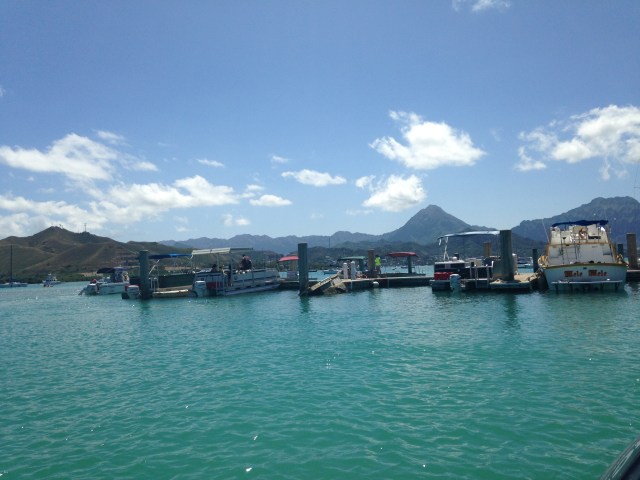
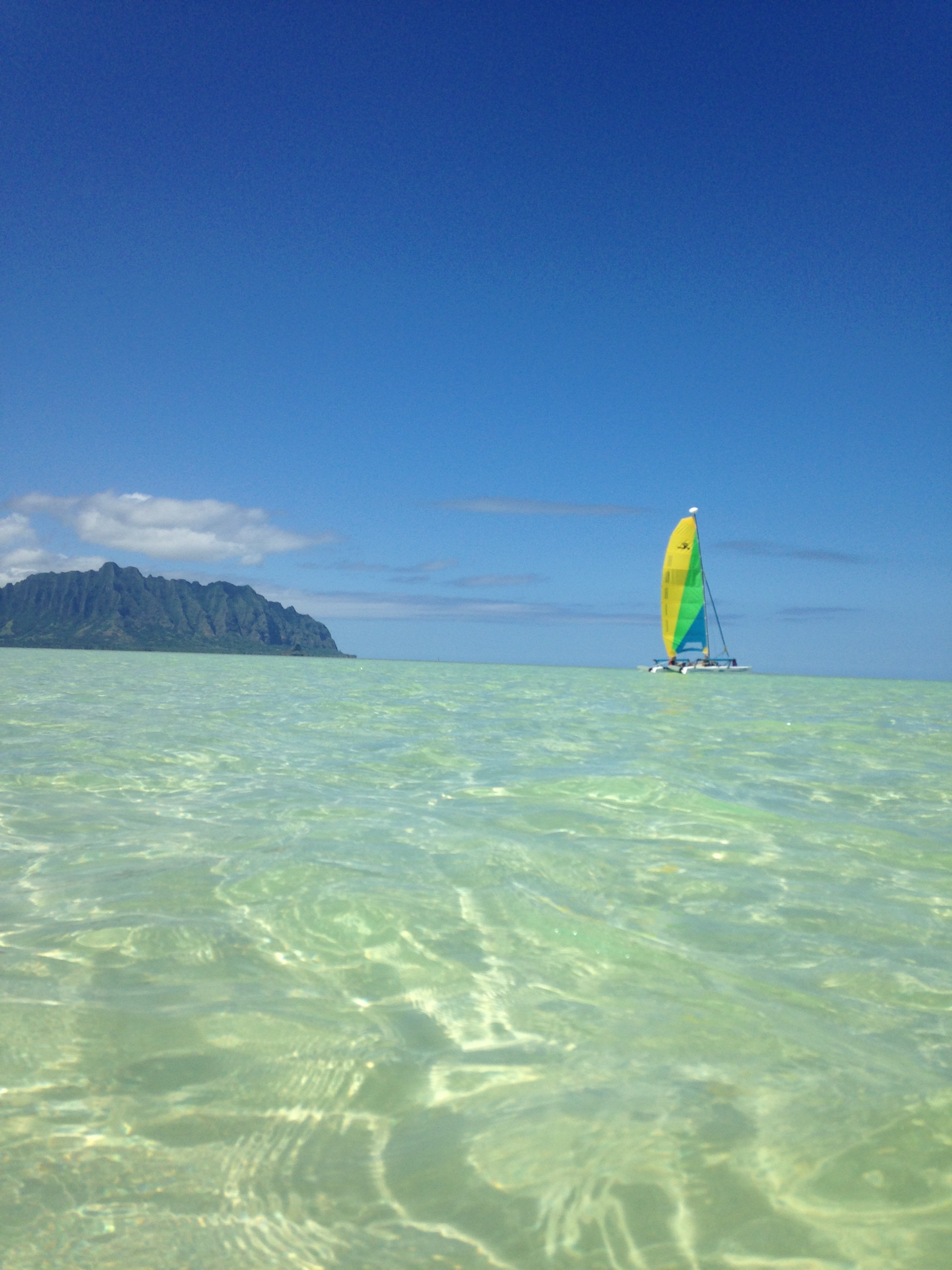
For my first day, I was surprised with a Zodiac ride out to a sandbar. I have never seen such blue water in my life. The ocean incorporates every shade of blue and green you can imagine, and then topped off with a blue sky, and mountains covered in foliage on 3 sides of me, I was pretty damn impressed. When we got out to the sandbar, the water was just below my knees, and we waded around just taking in the scene.
IMG_1279.JPG

IMG_1280.JPG

On Tuesday I met with an employee of Makai Ocean Engineering to learn about what is going on in the world of renewable energy. The facility(pictured below) is situated on a pier over crystal blue water looking out into the Pacific. We sat outside to have a picnic lunch and I learned that its actually not a great time to be in the renewable energy business! With gas prices going down, so is the interest in sustainable energy. We did talk about their two biggest projects going on on the Big island: OTEC (Ocean Thermal Energy Conversion) and SWAC (Sea Water Air Conditioning). They pump cold water from deep in the ocean and cycle it with the warm water on top to generate electricity. This works because the difference in temperatures can drive a turbine that produces power. OTEC is actually only 3% efficient meaning that they lose 97% of energy in the process. However, it can be done in such large scale and with little impact on anything, that it is still effective in generating the amount of energy they want.

IMG_1345.JPG

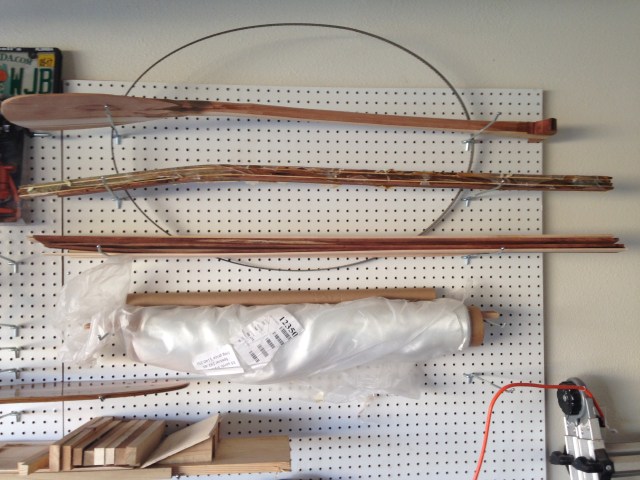
Aside from exploring Oahu, I have been building an outrigger canoe paddle. Outrigger canoes were used by the first settlers who found most of the Pacific Islands and are still very popular for canoe racing.
IMG_1360.JPG

The paddle on top is what I am working on. Below are others in the process.

There have also been many new foods that I have been tasting along the way. Today we stopped at a local market and tried papaya, guava, dragon eye, apple banana, white mountain apple, egg fruit, and rambutan. The apple banana and rambutan were my favorites, so if you ever get the chance to try them, I strongly recommend! And of course, there was an ice cold coconut to drink! We also tried garlic shrimp, a must-have in Hawaii, and now I understand why.

On the left are the rambutan which have a similar consistency to a peeled grape; jelly like, and on the right is me with my coconut.

Last and most definitely least of my trip so far was our trip to Waimea Falls. It was much more of a built up touristy attraction than anticipated, and although the fall was pretty and the walk through the botanical garden to get to it was nice, it was extremely anticlimactic.

I am on the hunt for authentic Hawaii, and with 3 weeks to enjoy it, I hope to do more than just see what most tourists see. Check back soon to see what else is happening in Hawaii!

-Maddie
 

Update – Creative Writing

After a while spent suffering from writer’s block, I think I’ve finally found my stride. I’ve been fairly prolific for these past few days, and I’m happy with what I’ve produced, although I have yet to show it to anyone else. (I’ve always been kind of self-conscious about letting other people read my work, so this is something I’ll need to get over if I want to seriously consider a career involving writing.)  Most of my work so far has focused on poetry, but I’m hoping to expand my efforts in the next few days to include short stories and maybe even vignettes. A lot of my typical themes are popping up again – mythology, usually Greek mythology, memory, etc. I spent most of Tuesday and Wednesday writing drafts, and today (Thursday) I focused on editing – cutting unnecessary words, changing line breaks, adding clarifying details, that sort of thing. I’ll probably continue editing into tomorrow and the next day and then start on something new after that.

A Cloud of Liquid Nitrogen

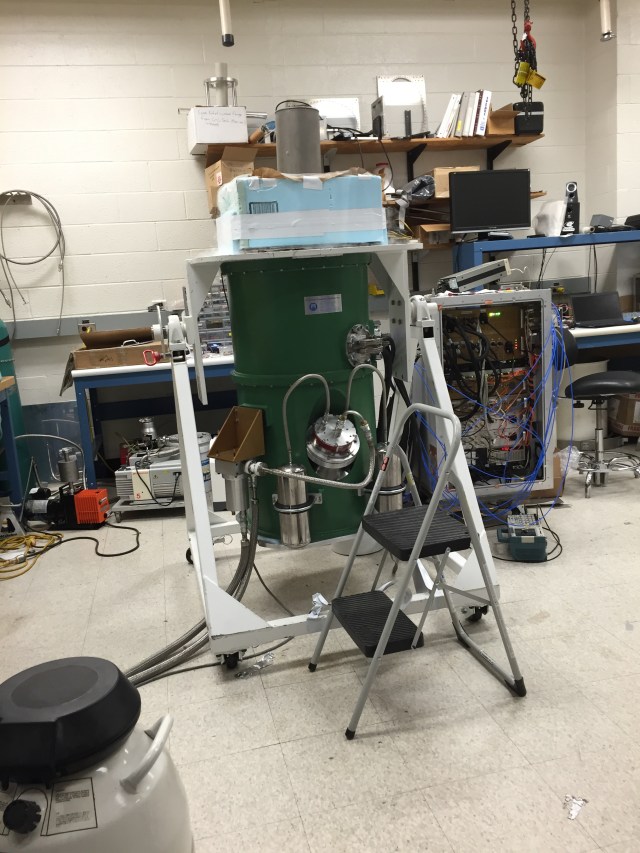
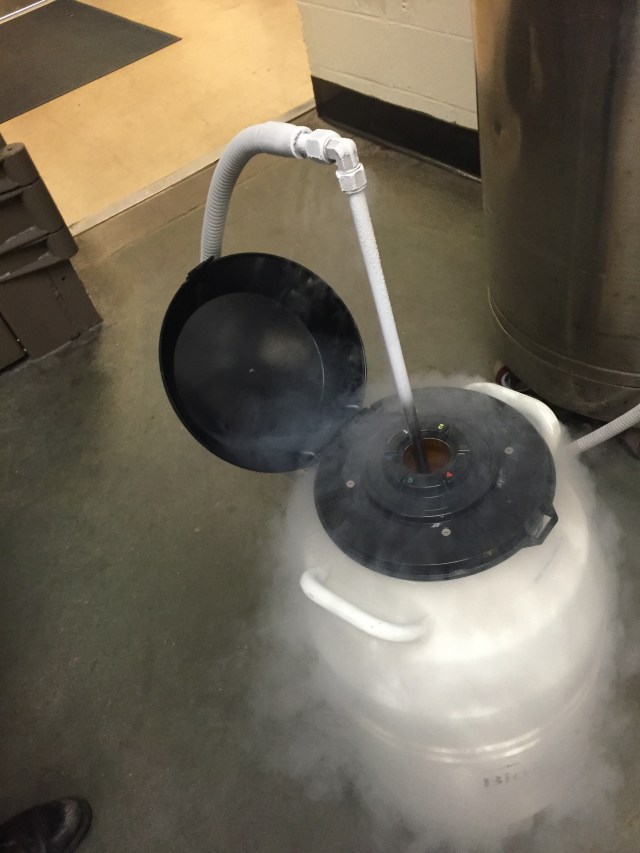
Have you ever seen liquid nitrogen stream through a metal tube out of a pressurized canister, only to freeze the particles in the air until it looks like the whole tube has been in a blizzard? I have, and it is awesome!

IMG_0290

After running a few more tests yesterday to check the sensitivity of the detectors, today it was time to run a cold load to see how they were responding to heat. As soon as I walked in, Simon showed me a box he was constructing out of building foam and hot glue. I helped him add legs so it could stand on top of the cryostat, duct taped it together, and lined with with transparent plastic it wouldn’t block the waves they were trying to detect. A paper lining was added to absorb the thermal shock the box would receive when the liquid nitrogen was poured in, and we were ready to cool down the absorber inside to test the sensitivity of the detectors!

IMG_0298

We put on lab coats and gloves in order to pour the liquid nitrogen safely, and went to work pouring enough so it wouldn’t evaporate (nitrogen evaporates at a VERY low temperature). Once there was enough in the cold load, I looked inside. It was room temperature and the nitrogen was boiling and evaporating into gas!


Sorry for the short video — for anyone who is curious, the noise is the helium pumps working to cool down the array with the detectors.

Simon slid a higher temperature under the cold load and then took it out again and we noted the changes in the graph of what the detectors were “seeing” in terms of temperature. I don’t have a picture of the graph, but there were definitely changes when the hotter object was moved around.

After doing a few tests with the liquid nitrogen cold load, we added liquid alcohol we had gotten from the chemistry department to make another temperature load. The alcohol caused the liquid nitrogen to evaporate and tiny bubbles of frozen alcohol (also an extremely low freezing point) formed inside the box.


A few more tests were run, and I had seen my first cold load with temperature sensitivity data in action!

Natural Wonders in Iceland

Hello everyone!

March is a confusing month in Iceland, just between winter and spring, resulting in storms that are a mixture of rain and snow. However, my first night in Iceland was rather cold and the skies were clear, which was a perfect opportunity to go searching for the Northern Lights. So, in a packed car with Dagny and her friends, I saw the Northern Lights atop a mountain. Any light pollution makes the lights undetectable, but in the pitch blackness of the mountain, I was able to see the faint green wisps dancing in the air. Listening to Icelandic music, I stared at the sky in awe. These phenomenal lights are so common to natives, that Dagny and her friends were caught off guard at my sheer amazement. Unfortunately, neither my Fuji-film nor my iPhone6 were able to capture the lights, but I do not need a picture to remember that night.

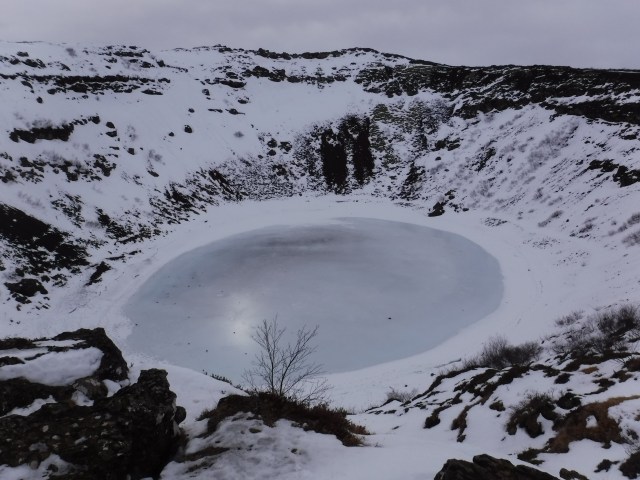
The next day,  I went to see an inactive volcano pictured below. DSCF0017

The water pooling at the bottom of the volcano had become frozen, a rather rare occurrence. On our dredge down to the the frozen crater, we met a couple from Harrisburg, PA. Immediately after I said “Hello,” the man responded by saying, “You must be from Philadelphia.” I was utterly confused that I had such a detectible Philly accent, I eventually realized that I was wearing a Phillies hat…

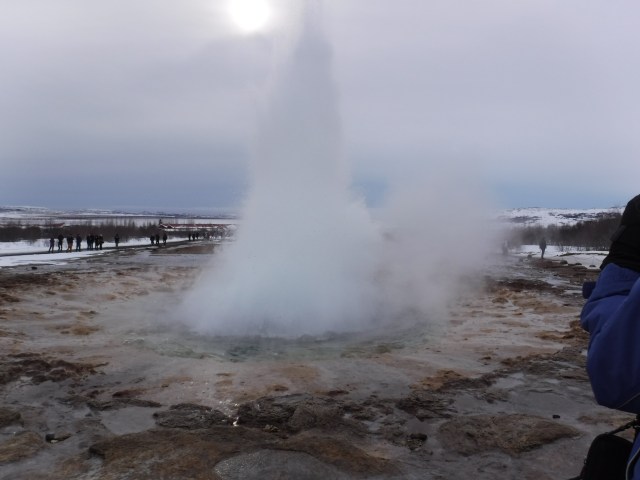
Afterwards, we were back on the road to complete part of the “Golden Circle,” a tourist route in the southern part of Iceland. The first part was to see the active geyser, Strokkur. To my surprise and Dagny’s, the area was packed with tourists. Dagny said at this time three years ago, barely anyone knew about this hidden secret. Behind fishing, tourism is the most important part of Iceland’s economy. It has become very clear to natives that more tourists visit the country every year.

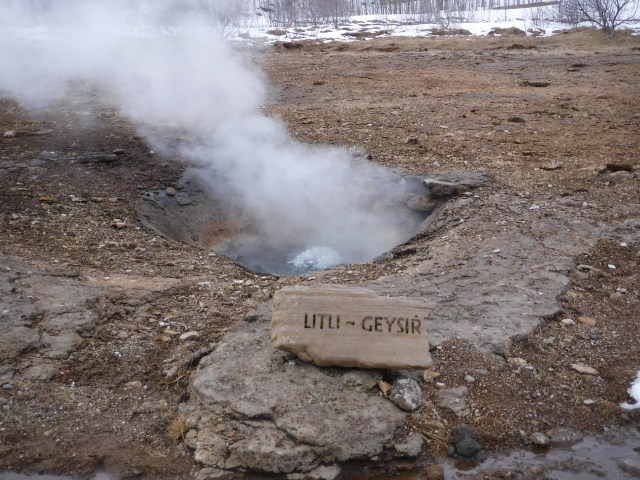
The land was filled with natural hot springs and geysers. The sulfur in the air smelled of boiled egg. Some of the geysers, like the one shown below, are so hot that they are literally boiling. S0030030

Strokkur explodes about every ten minutes. The highest the water reaches is approximately 30 meters.DSCF0037

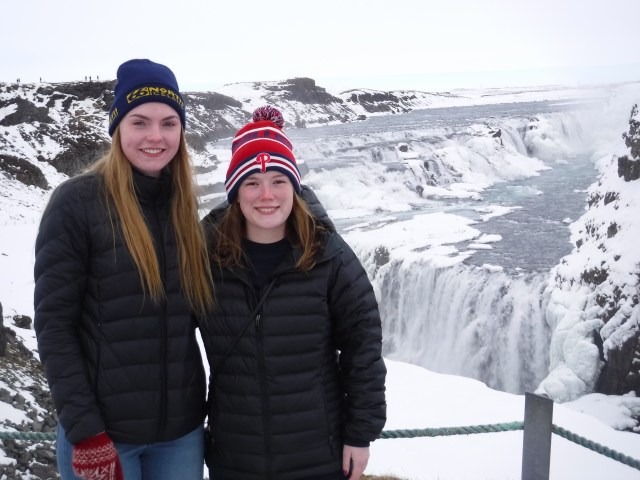
To continue the “Golden Circle,” we drove to see the most powerful waterfall in Europe,  Gullfoss. In the summer, Gullfoss can notoriously be found with a rainbow above it. However, the winter view of Gullfoss was not shy of any beauty. DSCF0072

Here is Dagny and I (in my Phillies hat) in front of Gullfoss Falls.

DSCF0079

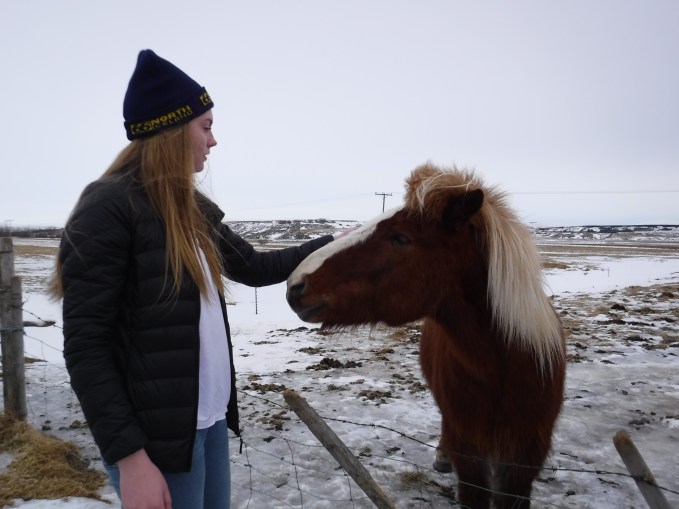
On the drive home, we stopped randomly to see some of the horses that can be found throughout the fields of Iceland. When we pulled up to the gate, the horses literally stared right at us. Then two of the horses proceeded to walk right up to the gate and let us pet them. I almost laughed when I saw the horses because the animals are so short, they resemble more of a donkey. Dagny is about 6’2″ and you can clearly see the height difference between the two.

DSCF0092

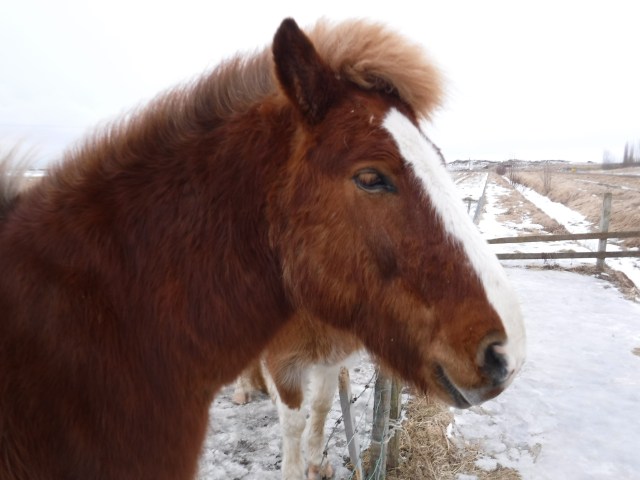
Icelandic horses also have fur in the winter that is soft and fuzzy to the touch. Eventually, the horses shed this fur when the weather becomes warmer. Sometimes their undercoats are a completely different color from their fur. Quite an interesting animal…DSCF0100

Tomorrow I will be blogging about my day spent at the Stora Mynd Conference in Reykjavik!

-Sammie

Fracking, Wetlands, and Salt Ponds

What’s up WT! It’s Molly this time, I’ve been journaling but haven’t written too much in the blog yet….. but here it goes!

I had a quick start to the day, had to get myself together by 10am to get across the bridge and into Richmond for the San Fran Estuary Institute (SFEI). This was the first time Lily and I split up, so I’m pretty proud to say I didn’t get lost or die. At SFEI, I met Micha Salomon, who works on their Resilient Landscapes Project. Before I could ask too many questions, we were rushed into a conference room to hear a guest speaker from PSE Healthy Energy talk about fracking in California. The talk was about the public heath risks of oil extraction. In California, hydraulic fracking only makes up 20% of the oil extraction, the other 80% is mostly a method called Enhanced Oil Recovery Water Flooding. Water flooding doesn’t drill as deep as fracking drills, but the CO2 intensity ratings are much higher nonetheless. Water flooding is used for heavier oil and tar. It starts by drilling until oil is reached (but not as far down as a source rock), and then steam is injected to heat the tar and make it more viscous so that it can be extracted. This process is more CO2 intensive because of the large amounts of steam being created. It was interesting to learn about types of oil extraction that are considered more dangerous than fracking. There have also been ZERO studies so far (besides the one we were learning about) in California on the public health outcomes of oil extraction facilities. This study was relatively inconclusive because of the lack of information given by oil companies about the chemicals being released (not surprising:/). Since the scientists were unable to gather information about them chemicals being released, they focused on creating an index of the communities within two miles of the facilities. In LA especially, there are large populations within even 100meteres of these plants, including five daycare facilities, which are supposed to have special zoning regulations about proximity to dangerous substances. Besides looking at potential effects of these chemicals on the surrounding communities, Seth from PSE also looked at outcomes of water recycling. Again, without identification of these chemicals, it would be impossible to draw any conclusions on how the water is affected. However, Seth pointed out that the water irrigating those Cutie Clementines could very well be contaminated thanks to weak water recycling regulations in California.

After the conference, I got a tour of the facilities and an overview of their current projects at SFEI. Micha showed me how they use infrared data on GIS maps to identify wetlands and assess their health. The Resilient Landscape project uses the data they collect alongside historical maps and sounding data to draw conclusions about the evolution of streams and wetlands in the San Francisco area. These conclusions help inform conservation and re-vitalization projects on the natural patterns of the area, which are becoming harder and harder to predict as climate change disturbs natural environmental patterns. He also talked me through their efforts to restore salt ponds to natural landscapes. The salt ponds (below) have been left from the massive salt industry influx in the early 1900’s. They would dam areas, wait for them to evaporate, and then harvest leftover salt from the bottom for processing. These abandoned salt ponds have such high salinity levels that restoring them to natural marshland has been difficult. The dams have to be broken in a way that slowly introduces more water with balanced levels of sediment so that the salinity doesn’t increase to levels unsustainable for the surrounding ecosystems. After my time at SFEI was up, I walked back to the train and returned home to Lily!

3474886183_102f056333_b-1024x500

http://www.sfei.org

LEED Certified Buildings in SF

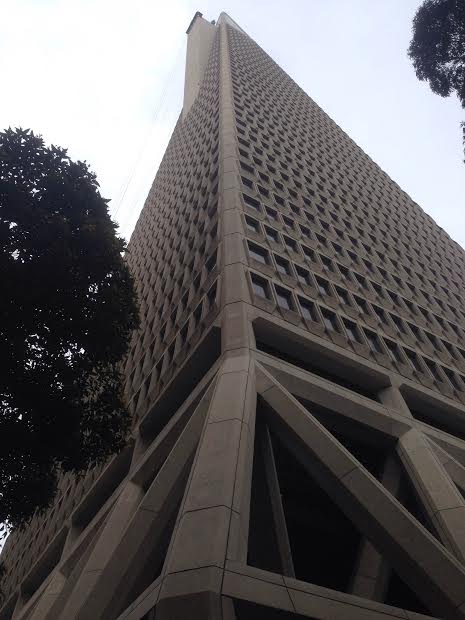
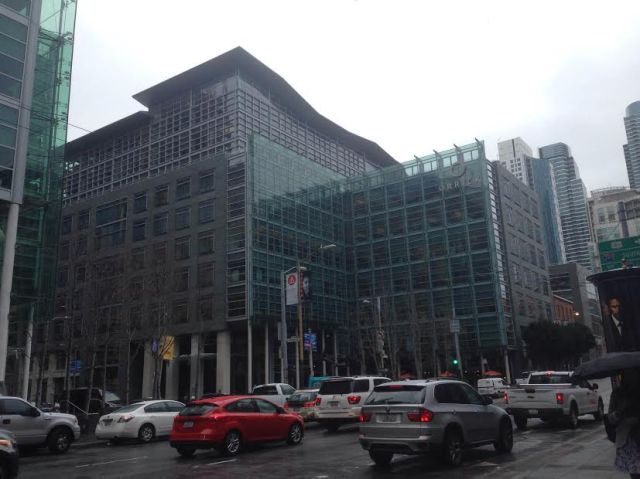
Yesterday I met with Phillip Rapport and Doug Peterson at the Transamerica Pyramid in San Francisco. I was interested in visiting the building because, just as our science center is, the Transamerica Pyramid is LEED certified (Platinum level).

unnamed-3.jpg

(Transamerica Pyramid)

unnamed-4.jpg

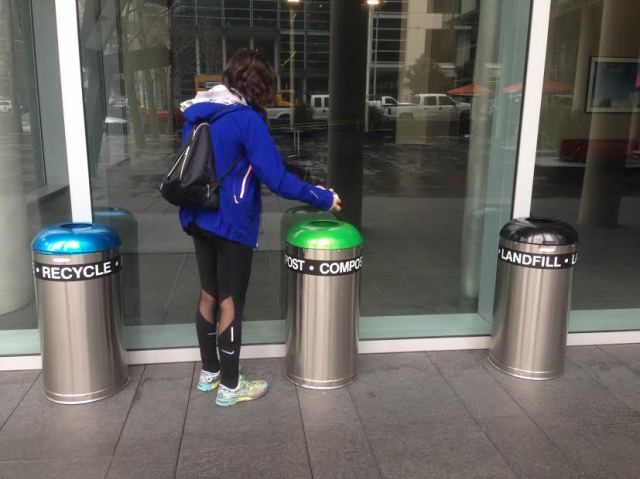
I was particularly struck by all of the involved aspects to a LEED certified building. San Francisco has been in a drought for the past four years, (though it has been raining for most of the time we have been here) which has sparked buildings to use drought resistant materials. For example, porous pavements, to help regulate storm water and levels, which deters pollutants from flowing into the bay. In the building, instead of just having a trash can, they separate it into three different parts: compost, recycling and trash. Although this seems like a miniscule effort, these practices have helped to deter 92% of the building’s waste from landfills.

Sustainability in a holistic view includes the health of not only the environment, but the built environment and the people living in it. The Orrick building monitors air quality and is mindful of “off-gas”, which refers to any chemicals that new products put into the air. This improves air quality for employees of all levels, and reduces exposure to harmful chemicals. Companies in the buildings are not allowed to supply plastic water bottles, but have refillable water stations to encourage workers to bring water bottles. They encourage workers to not drive to work by having a bike room and showers for those who choose to bike to work, as well as transportation maps to encourage other workers to use public transits.

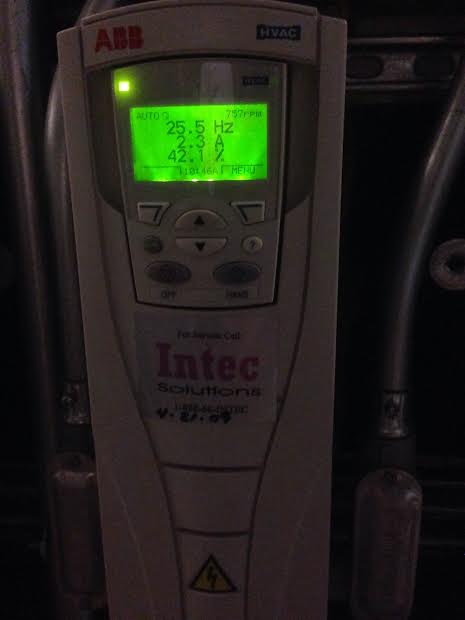
The buildings have also implemented Variable Frequency Drive, which ensures that the minimal amount of energy is used to cool the building. We saw the meter that shows how much energy it uses, and since it was a cooler day, it was only using 40% energy. It’s like a dimmer. Instead of having the lights on at 100%, one can dim the lights to what they need, and therefore save energy. This was found in both the LEED certified buildings we visited, the Transamerica Pyramid and the Orrick Building.

unnamed-1.jpg

(The Variable Frequency Drive)


From being a tourist here, to scheduling meetings about sustainability, I have found that the San Francisco city set up and lifestyle is centered around sustainability. Stores no longer bag items in plastic bags, and encourage customers to bring their own bags, or they are charged 10 cents for a paper bag. For every trash can, there is always a recycling and composting option. Uber and Lift are also very popular and user friendly. I think there is no better way to learn about sustainability, than actually live and experience the lifestyle firsthand in San Francisco!

unnamed-2.jpg

(Orrick Building)

unnamed.jpg

Dropping Like Flies

Yesterday, we went to Mankessim’s market. People were bustling around us and staring at us because of our obvious difference in looks that they are used to. Many of us bought fabric so that we could have one of T. Melissa’s friends make us dresses, shirts, or aprons.

Today was our third day teaching, and everything seems to be falling into place. Students are consistently coming to our class and wandering off a little less than before (quite an accomplishment we think). Yesterday, I finally got the correct class, the wrong students came the first class. My class yesterday caught onto my choreography really well and quickly, and I believe they enjoyed it because today they came to class and started dancing the moves I taught right away.

On a less happy note, many of us are getting sick in one way or another. Dehydration has been a problem because we are not used to the temperature or humidity here in Ghana. Also, many of us, including myself, are having to deal with some really itchy heat rash. As Hannah likes to say, she has chicken skin on her legs. Unfortunately, the other blogger on this trip, Brooke, is one of our friends who is sick.

Kitten update

I am convinced this is the life. I wake up at 9 am, make myself breakfast, do yoga and then go off to the SPCA. This project has taught me a lot about the world. For example, if you don’t know where you are going just keep going straight. If you have a GPS it will be okay.

This project has taught me a lot about the world. For example, if you don’t know where you are going just keep going straight. If you have a GPS it will be okay. Also, if there is a sharp turn ahead slow down or you will feel like you are going to die.

The best moments at the SPCA are when people come together to love the cats. Every person who works there or volunteers have a favorite cat, and we try to give that cat as much love without neglecting the others. I am a victim of this. On cat named Meowth is favorite, but she doesn’t match my personality at all. Her agility and playfulness make me so happy I cannot help myself.

While I’ve volunteered there, at least, 4 cats have been adopted. Most of the time I was already gone but it still made me so happy. I did not know what personal bonds I would create with theses loving souls, but I am so glad I did. Even if they get adopted or relocated the moments I had with them make my day.

Working here has also made me sad. So many of the cats are lovable and sweet. Even the most “chill” have a purr of gold. I wish I could take them home with me, but I’ll settle for volunteering at the moment.

Until next time,

Rosie Dear

Computer Science Intern -Day 3

This is my third day on the job at IONX. While there I have been assigned to analyze data off of a server that houses information from sensors at their test locations. I am not posting everyday because day to day there are not huge changes in my progress, but here is an update from what I have done.

Day 1 was a kind of learning step for what I will be doing. I learned about what I exactly I will be working with and how I might accomplish my tasks. Day 2 was more about diving into the code of how to analyze data and automatize data analysis using small pieces of computer code called queries. These queries are only a few lines long and do not do much when being executed. Day 3 was about starting to develop an actual program that could be used to gather all relevant data into a useful format so that another program, called Tableau, can turn the data into data maps and statistical data sheets.

The primary computer languages that I am currently using to build this application are C# and LINQ. Today I was involved in a few meetings to develop the logic behind the program and the beginning code behind the program. Here I have a small section of the main logic of the project that will be used to gather all of the data needed. Alongside Trevor this project should be completed by the end of this week. 2016-03-09

Westtown, I Don’t Think we’re in Pennsylvania Anymore

(From March 9th because of internet issues)

People always tell you right before you leave for another country that you’re going to experience major culture shock. It’s difficult to prepare yourself for what you see in a country like Ghana. People are everywhere, walking on the side of the roads that are covered with trash. Goats are everywhere, and yes I mean everywhere. Unlike in the States where cars move out of the way for people, people walking on the side of the road are expected to jump out of the way for cars because they drive all over the roads, on whatever side they can to avoid holes or just where ever they want.

For the first day, after the ten and a half hour long plane ride with a screaming toddler just two seats away from me, we took a bus two more hours to the guest house we are staying in for the next two weeks. We met some people from the village we are in and struggled to keep our eyes open so that we could adjust to the time difference.

The next day, Monday, we had to adjust our schedule because it was Ghana’s Independence Day, so there was no school. Instead of teaching, we went to Coconut Grove Resort and relaxed at the pool and the beach all afternoon.

Today was our first day at Heritage Academy. Throughout the day we taught classes that we planned weeks ago and led reading groups to help the seventh and eighth graders with their reading skills. My class, a dance class, was definitely a big learning experience. The teachers had warned us that the students don’t pay attention too well sometimes, but I was not expecting it to be at the degree it went to. I definitely had struggles with getting the students to commit to the activities and not to be self-conscious about dancing in front of each other, and students looking out from different classrooms. It has helped me learn about how important it is for teachers to be able to adapt and change lesson plans depending on what interests the students and at what level they are.

Tomorrow, is another teaching day but in the afternoon we are going to a nearby town to visit the market.