KO’ – fire (day three)

Overview:


Day three started with Jane feeling much better, a delightful breakfast with our wonderful hosts, and a 30 minute car ride down into the heart of this specific Apache reservation, White River and Fort Apache. Today our agenda was mainly to help the employees of Johns Hopkins Center for Native American Health with whatever was on their plate for that day. Ed, our mentor was tasked with taking the photos of the newest employees and some select individuals from the surrounding areas. We helped him stage and set up the photos, and as a result met some amazing people, three of which we talk about below. In addition to meeting these people and aiding Ed in his work, we volunteered at Arrowhead Cafe, the Apache run store and cafe. The cafe sells delicious food and drinks to many of the people and, from what we saw, is a central gathering area. The adjacent store sold handmade jewelry, art, and apparel from local Apache artists. Our job was to help photograph the pieces of art so they could be posted on their online Etsy shop, which has so far been a booming success.  Being in the cafe and the shop was a unique experience because it allowed us to meet people that would provide interesting conversations. As well as being able to see this thriving business all based on the efforts and determination of Apache people to help benefit their community.


Jane:

One of the first Apache natives we meet was a 90 year old man. We met him while standing on the grounds of Fort Apache. Fort Apache was the military base during the Apache wars and the home to the Theodore Roosevelt Boarding School. The Theodore Roosevelt Boarding School opened in 1923 and aimed to dismantle many of the natives’ historical identities. The implementation of boarding schools trying to assimilate natives can be seen through the history of most reservations. As we stood on the grounds of Fort Apache, now the home to many offices and the newly developed Theodore Roosevelt boarding school that serves to provide education to middle school students and is approved by the tribal council, we heard about his own experiences at this place. While Ed and I photographed him, he said something that I thought was quite unexpected considering the context. He said to us “I hate Hitler because he took away my education.” When we asked him why, now intrigued by this comment, he explained that he had attended that boarding school. However, when the U.S. army started recruiting soldiers to fight in WW2 and pulled many natives from their homes to join the fight, he was one of them. Clearly, despite the acts of assimilation, had valued his education at Theodore Roosevelt Boarding School. He kept reiterating that because of Hitler, he had lost, despite the oppressive nature, his only access to education.

This idea generated a lot of thoughts in my head. It was mind blowing to think that after 73 years, this 90 year old man is still thinking about the education that he could have had. In fact, he arrived at the cafe and immediately started talking to me and within 3 minutes into that conversation he was talking about his experience at boarding school. Education was clearly very important to this man and it made my heart very heavy to think that not only was his education taken away from him but that even the education he did have wasn’t respecting who he was and his history. For me this conversation clearly stressed a very important lesson I carried with me throughout the day: that history stays with us.


Maggie:

One of the first Apache people we met on the reservation today was a painter. When we entered the cafe this morning, he was already there, waiting for Ed to photograph his newest painting (that had already been purchased) in order to add it to his portfolio. The painting itself was astonishingly beautiful, with intricate details in every aspect of the design. He recalled the legend of Geronimo, the historical Apache leader and focus of his painting. The focus was of Apache people, their heritage, pride, and current identity, similarly to all of the other artwork in the cafe. He explained each aspect of the remarkably realistic painting, and told us how all of his work related to some historical Apache event. His next painting, he confided, would be about the movement of guns into the tribe when Fort Apache, and the building adjacent to the cafe, was used as a storage unit for the white American colonizers’ rifles. After he and his paintings were photographed, we asked him when he started painting. “In jail,” he responded. When telling us about his past struggles with alcoholism, it was clear that art, along with his family, were what saved him from relapse. Twelve years sober, he has never taken a painting class, but sells each of his Apache-pride paintings for hundreds of dollars apiece. Until this trip, and specifically before meeting him, I had never fully understood the power of visual art as a force of personal change and liberation. On the walls surrounding the cafe, visual arts from students in the reservation hung for sale, bringing in revenue for kids exploring their passions. In the afternoon, high school kids came to the cafe for an after school entrepreneurial program – many of whom were artists Some planned to go to art school to continue their education and change their lives. In our academically focused East Coast prep school setting, traditional college is the only way to pursue a realistic career. On the reservation, however, art is a route through which many advance their lives, financially and personally.


Gwyneth:

While spending time with the high schoolers at the Arrowhead Cafe, we happened to meet a 17-year-old boy. From the moment we first encountered him while making crepes in the cafe’s kitchen, it was clear that there was something special about him. To begin with, he was the one to strike up a conversation with us, rather than the other way around. Although our position as volunteers for Johns Hopkins gave us the unspoken responsibility of reaching out to the students and trying to make them comfortable, it was this boy who ended up taking on this role for us. What really struck me about our first interaction with him was the fact that in spite of all the pain and injustice inflicted on his tribe by white invaders, he treated us – three white girls inserting ourselves into an Apache-run group for Apache kids –  with tremendous kindness.

However, it wasn’t until a bit later when we found out just how extraordinary he is. At one point while having his photo taken, he mentioned to Ed that he designs and sells T-shirts, after which Ed offered to drive him the few miles to his house in order to buy a shirt. During the short car ride, we were all laughing, talking about nothing of great importance. But after he showed us his shirts, which we all ended up purchasing, he began to open up about more serious matters. The shirts themselves, which are decorated with images of a cactus that looks like a rose, along with the word ko’ (Apache for fire), embody his pride in his tribe and commitment to keeping its spirit alive. All of this became clear as we stood in his yard, talking to him for at least half an hour, with Maggie and me occasionally leaving for a few minutes at a time to play with his four year old sister.

It would be impossible to capture everything he said to us in this blog post, or anywhere other than that place in that moment. Never in my life have I encountered a teenager with so much wisdom and heart. He opened up to us about the tragedies which transpire on the reservation and his own struggle to overcome depression. He also shared his sadness about the declining value in which his generation holds Apache traditions. At one point, he cleared a space in the dirt and compared it to the Apache mind before the beginning of colonization. And then, he kicked in the pebbles and rocks to represent the confusion brought on by the arrival of European invaders. It is his goal to restore at least some of the former clarity, although doing this is easier said than done.

One of the last things that he said to us circled back to the shirts he designed and the importance of ko’ – fire. He said that when you look into a fire you made with wood you gathered yourself, you can hear it talking to you, and you can talk back to it. This piece of wisdom seemed to exemplify the Apache connection to the land and its spiritual power, as well as his amazing sense of nature, spirit, and self. As I reflect on everything he said, I am realizing that there is so much wisdom left for me to draw from his words, so much I have only just begun to comprehend.


Today was incredibly impactful for all three of us but we still are processing a lot of what the day meant for us. We are sure much more insight on this day in particular will come later.  

Beyond My Years: Porch Lights, Page Turns and Pointers


“There are no extra pieces in the universe. Everyone is here because he or she [or they] has a place to fill, and every piece must fit itself into the big jigsaw puzzle.”

– Deepak Chopra

March 6th, 2018 (Three days into my project!)

Foreword: In the post, I reflect on the past three days and end with what my next steps are. I know this post is super long, my apologies, I have made a video (7 mins) recapping the specifics of what took place on Friday, Monday, and Tuesday. If you’re interested in watching, that is below. Thank you for reading and watching!


I have been contemplating what to say about my experience so far at Sunrise Senior Living. The biggest struggle when it comes to picking out what to say is how much silence sat with me and many of the residents during the first few days at Sunrise. Some of the silence that I have sat with is that of processing the community and its normal flow of the day but, in full honesty, much of the time has been sharing the silence, sadness, and helplessness of some of the members.

Many of the residents at Sunrise have dementia, Alzheimer’s, memory loss or just aren’t fully present in conversation or thought. There are many members of the community I have talked with who don’t remember too much about their life or some simply do not care to have their personal life recorded. However, there are residents who recognize their memory loss or the purpose of my project and have become interested in speaking about their past.

I arrived on Friday, March 2nd at 10:15 am to a warm welcome in the Bistro, the main dining area for the residents. There, I introduced my project to a handful of residents who decided to show up to the designated activity time arranged by Jaimie, the activities coordinator I am working with. During this time I talked about myself and where I fit into the Delco area which surprisingly sparked conversation from some of the residents.

Friday was not full of exciting stories or photoshoots as I had the expectation of occurring. Although, I did expect and succeed to use Friday as a time for the community to get to know my project and myself. This was also a time for myself to take in and learn more about the residents daily life at Sunrise.

Throughout my first day, I was introduced to the reality of doing a project in a Senior care facility. As I was in conversation with one of the residents who has been at Sunrise for 4 months, she described some of the members as, when “the porch light is on but nobodies home.” It did not surprise me to hear this as I looked around to some of the residents staring off somewhere or sleeping. Hearing this from the residents and the experiences I have had so far has humbled my thoughts and strengthened the empathy I have towards senior citizens and their journey of getting older.

On Monday, March 5th, the reality of where I am and the environment I am working in continued to make itself present. My day started out with seeing an “In Memory” photo of a resident that had passed away over the weekend, one that I had spoken with on Friday. I paused when I saw this and it brought to mind the reality of the environment my project is taking place in but the importance of archiving the stories untold and providing a space just for someone to be heard.

I talked to many residents on Monday but much of our conversations were one-sided. I sat with an adorable woman in a common space where 4 other members were sleeping. She and I talked about the books and plates that sat on the shelf in front of us. I then asked if she cared to move and she said: “If you care to.” I pushed her wheelchair over to the Bistro and we sat down with a Martha Stewart magazine looking at the color that painted the pages of the magazine as we both turned each page to pass the time.

So far I would describe my presence as being a social floater; someone who sits next to people who seem to be doing nothing and attempting to engage in conversation. I have enjoyed the silence and page turning of magazines but sometimes I felt like time was going by like one of the flat escalators at the airport you stand on, only it is neverending. I got to the end though and have already taken in and am amazed by the efforts and function of this community.

There are so many parts and people that keep the community turning. The staff and residents support each other with friendly greeting and jokes. Everyone is so welcoming and bright! Over the past three days, I have received many pointers on who to speak with and how to interact with some of the residents who have memory loss or are more quiet.

As I continue the rest of my days at Sunrise, I will be setting up sessions and will be put on the activity list so the residents are given a more direct opportunity and a reminder that I am here to archive their stories and have their photographs taken. I will also be given a list of names to set up interviews with. While I was a little discouraged in the beginning by the conversations and interactions I was having I am now hopeful that I can get a final project completed for the community at Sunrise.


L’avant scène

March 5th and 6th

“We must all do theater to find out who we are, and to discover who we can become.”–Augusto Boal

Yesterday was the first day of my classes with the Alliance Française. This week our theme for the class is the theater, which cannot be more convenient for me because I plan to attend a play at the famous Comedié Française this Sunday. During the first class, we covered many vocabularies related to theater (the personage in the troupe, places in the theater, parts of play). As a person who had not worked in a Westtown theater production, I was only a little surprised to find that I don’t even know the English word for many of the vocabularies. As a result, I had to look up the English word for “the person who moves the props between scenes,” “the person who help the actor get dressed” etc. before trying to figure out the correct word in French theater. This means that I have to spend more time finishing my homework, but at the same time, I learned so much more about the different parts that go into a successful reproduction of a play and feel so much more prepared for my adventure to the Comédie Française this Sunday.

ff13492aecbb1830c8c37a588862e1df.jpgThe favorite idea I’ve learned from this first class is that “une pièce de théâtre n’est finie que jusqu’a les comediens le presentent aux spectateurs” (a theater piece is not finished until the actors present it to the audience). This quote emphasizes the important role of the director and the actors’ reinterpretation of the original script. In a piece of theater, the playwright only sets up the “body” for the personage, but it is the actual production and the people who participate in it that gives the characters their spirit. The life experience the actors, the metteur en scène, and the individual spectator can change the meaning of the play a lot. At the same time, our interpretation of the play can tell us a lot about ourselves. Thus, the quote, we must all do theater, as actors, as directors, or as active spectators to discover who we are and who we can be.
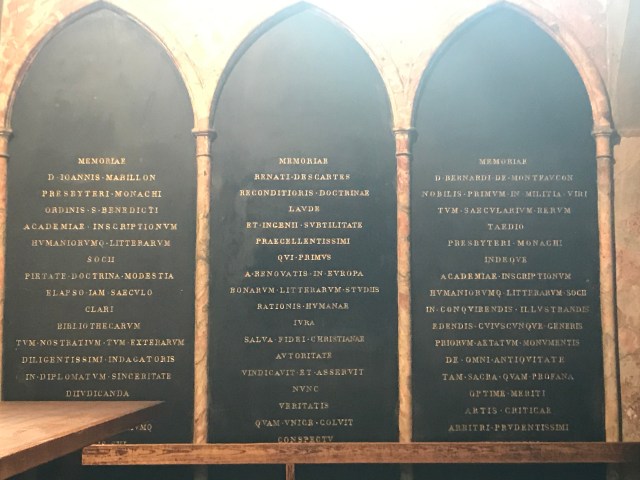
The same principle of active participation and interpretation can also be applied to my adventures in Paris. Paris is different for each visitor and inhabitant for it is so diverse that everyone can draw an unique connection with Paris. Given my interest in humanities, my encounter with Paris is more an exploration of Paris’ history and culture. In the past two days, I’ve explored Abbaye de Saint-Germain-des-PrésÉglise Saint-Sulpice, Musée national Eugène-Delacroix, Jardin Luxembourg, Cimetière du Montparnasse, Musée Bourdelle etc. Because of my interest in languages, classics, and history, I payed special attention to the Latin inscriptions in the churches and cemetery I visited and was especially grateful to be able to do a complimentary guided tour in French about Eugène Delacroix’s oriental studies at the Musée national Eugène-Delacroix. IMG_6348.JPG

Middle: Latin inscription on the tomb of Descartes

IMG_6384.JPG

Interior of Église Saint-Sulpice

FullSizeRender 3.jpg

palace and garden of Luxembourg

IMG_6430.JPG

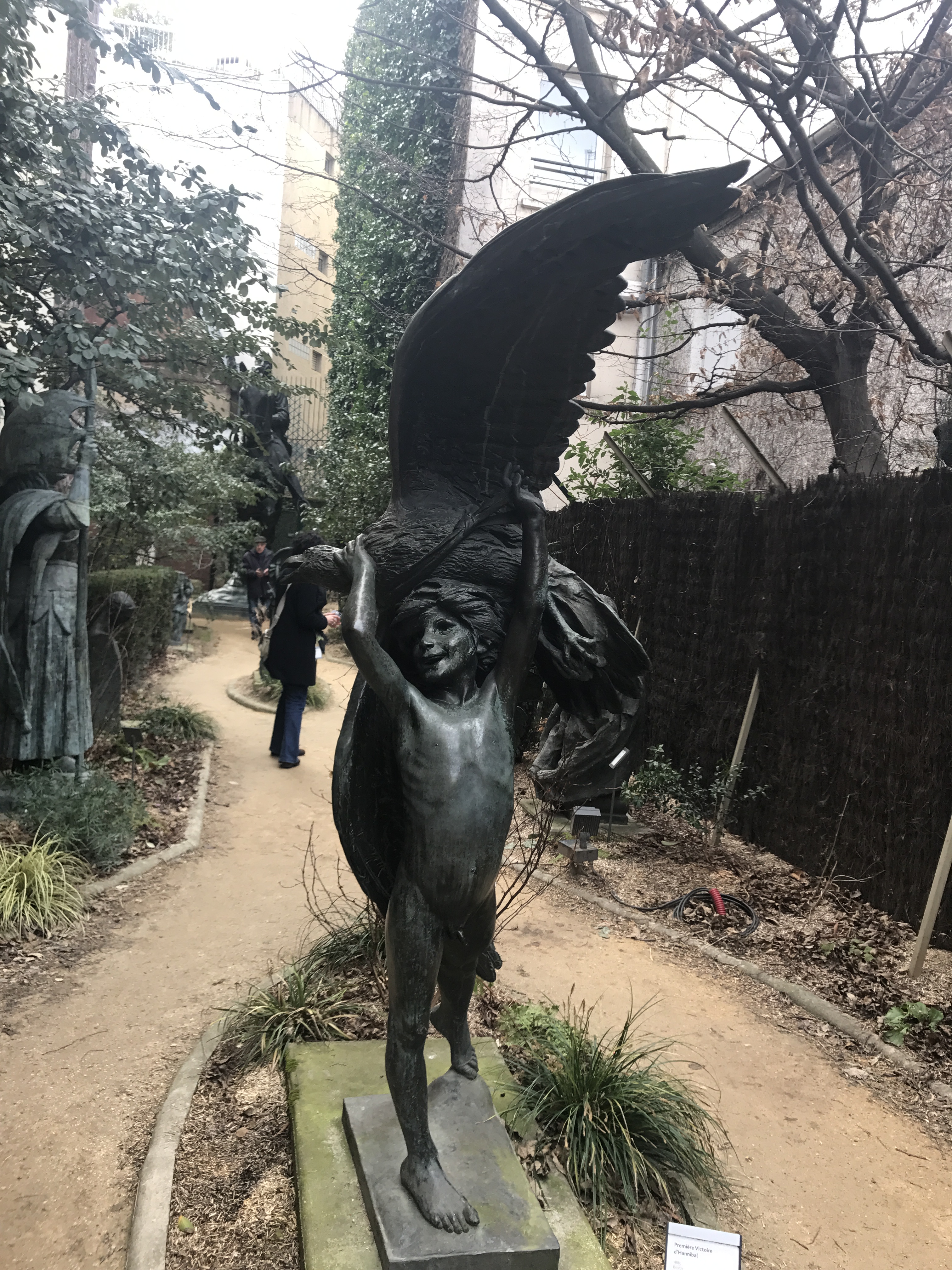
my favorite work of Antoine Bourdelle at Musée Bourdelle

The past few days Paris has offered me many pleasant surprises. I’m super excited for my future adventures at Paris!

Summer

Your Eyes Are Always Bigger Than Your Stomach – China Day 4

Written and published March 6th, 2018

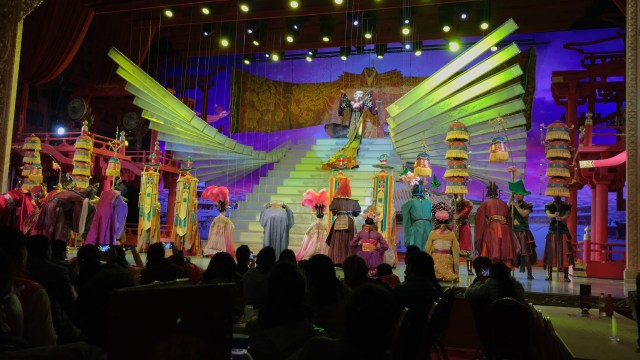
Today we flew from Beijing to Xi’an. Since it was a travel day and rainy we did not do that much. I will be posting photos today (taken on my phone because of the rain) from my shopping around the city, eating food, and watching the Tang Dynasty Show and dinner. My blog post tomorrow will hopefully be much more exciting.

– Anna

Ice cream with waffle bubble cone (photo creds to Savannah)
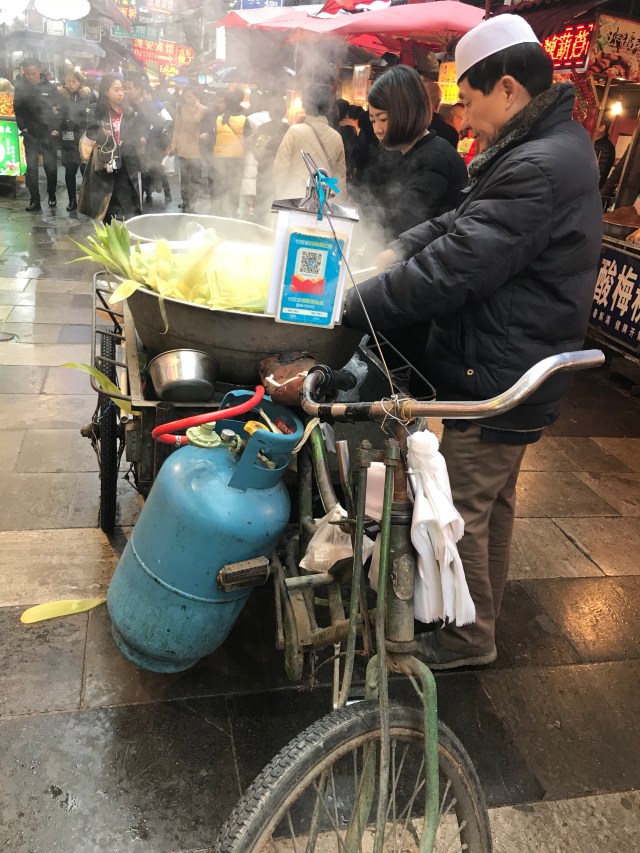
Steamed corn

Meat (lamb) on a stick

Vegetable dumplings

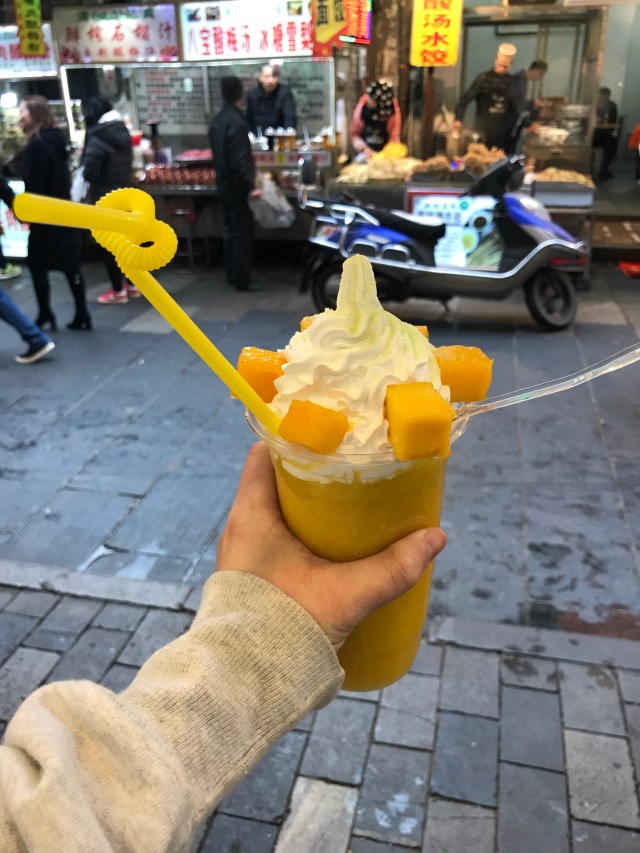
Mango juice drink with whipped cream, mango pieces, and matcha dusting
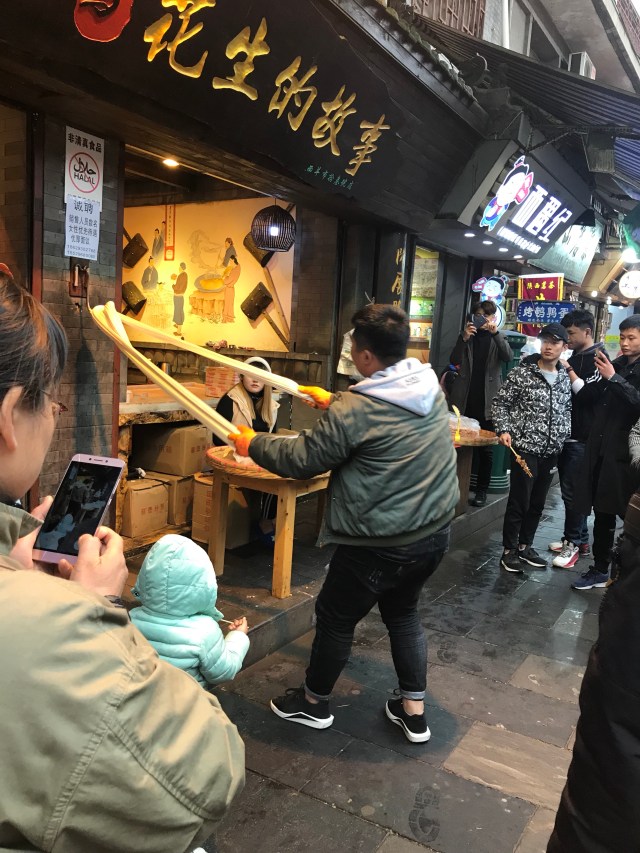
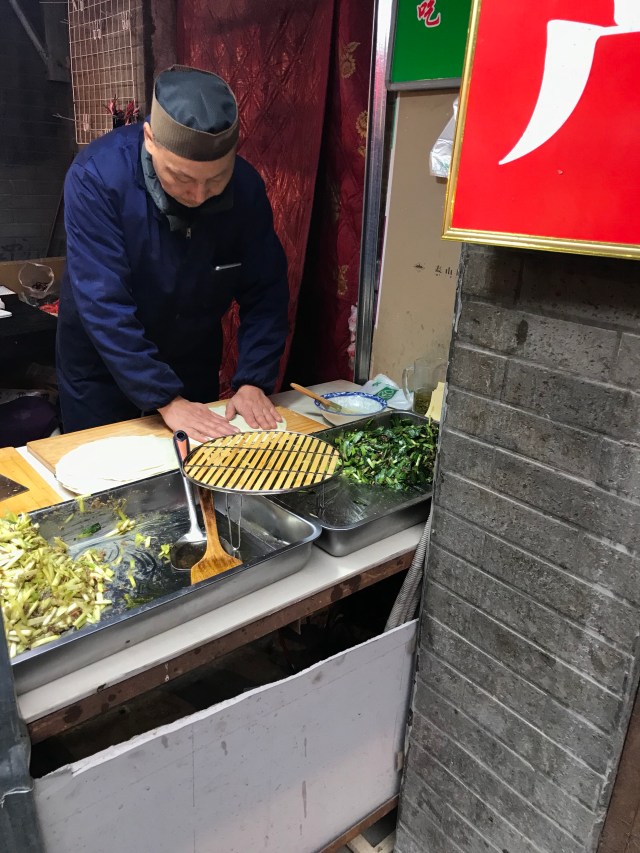
Making dough

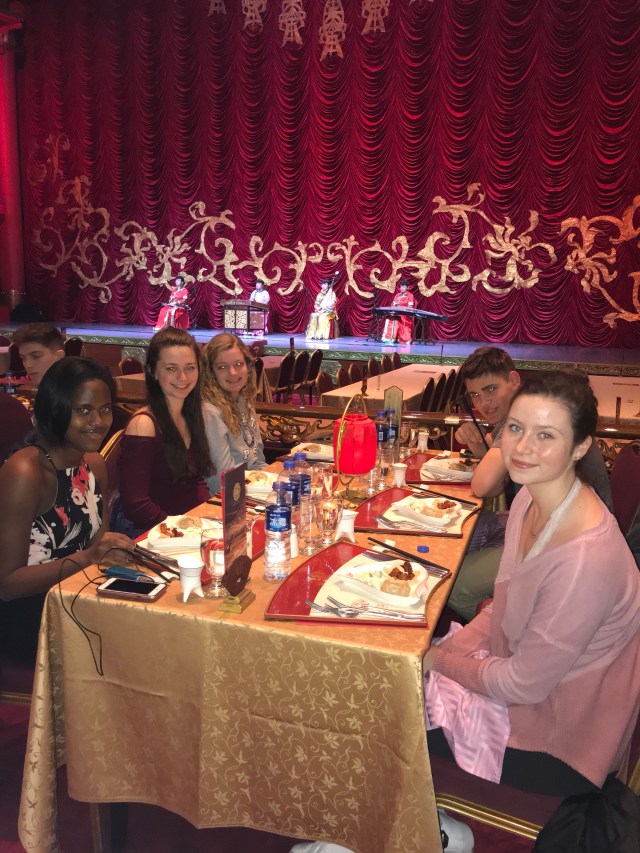
Tang Dynasty Dinner

Tang Dynasty Show

Day 2: Window Rock, Chinle, and Canyon de Chelly

Unfortunately, Jane has been suffering from altitude sickness (or a stomach bug) today, making her extremely sick for most of the day. The day was spent mostly driving – first from Albuquerque to Chinle, and then from Chinle to Whiteriver. On our way to Chinle, we stopped at Window Rock, the capital of the Navajo Nation, where we witnessed the titular geological marvel that resids adjacent to the governmental buildings. In Chinle, we visited the multiple sites at the Canyon de Chelly, a historic Navajo site. Tonight, we are spending the night with gracious hosts from the Johns Hopkins Center for Native Health by Whiteriver, AZ, the largest town on the White Mountain Apache Reservation. Jane was extremely resilient over all 400 miles travelled today, but her sickness means her input will be missing from today’s post.

Maggie on “Indian Gift Shops”:

On our drive to Chinle from Albuquerque, we quickly left behind the populous areas of the city to find a vast, empty, and varied landscape. Rock formations sprinkled among the sagebrush starkly contrasted the highway plowing directly through this nature; we were officially on the Navajo Reservation. Though it was sometimes hard to distinguish the reservations from outside lands, kitschy “Indian Gift Shops” line the highway as a clear reservation indicator. Filled with Route 66 Memorabilia, the main focus of most roadside shops was Native imagery and exploitation. Obviously aimed towards white tourists, the shop featured terrifying dolls of romanticized native children, fake moccasins, and appropriated dream catchers adorned with screen printed US flags. While some pieces in the shop were authentic, most were highly commercialized Anglo perceptions of Native culture and Native Americans themselves. The murals and trinkets featured traditions from tribes and cultures that do not exist within a thousand miles of the Navajo reservation. This ignorant ideology of Native Americans completely disregards the actual experiences, practices, cultures, and lives of Native citizens living a few miles from these shops. These shops exemplified the objectification of Native people perpetuated by White Americans, through which actuals humans are devalued and simplified into dolls and things to observe as if in a zoo or museum.

Gwyneth on Canyon de Chelly:

From the moment I first saw Canyon de Chelly, I once again found myself speechless before the extraordinary natural beauty of the southwest. Located deep in the land of the Navajo, the canyon has long been an important part of the tribe’s history. Although they were difficult to make out, we saw several homes deep within the canyon. I can only imagine what it would be like to live there, almost completely isolated from other humans but quite literally enveloped by the wonders of the natural world. The spiritual energy of the place was intense. Standing high up and looking down into the canyon, I could see the Navajo creation myth, in which the first man and woman traveled through three other worlds before reaching this one, brought to life. It was as if a giant hole had been dug in this world – the fourth world – revealing a glimpse of the third world underneath. As I reflect upon my experience at the canyon, I am beginning to see the clear connection between the land and the traditional spirituality of the Navajo people.


Closing thoughts:

Something spiritual can be witnessed in the seemingly eternal landscape of the Southwest, especially at night. With our car hurdling into the darkness on an isolated backroad in Arizona, it was unclear where the land ended and sky began. As a sea of darkness enveloped our car and its beaming headlights, there was a beautiful and terrifying sense of being alone in a giant world.

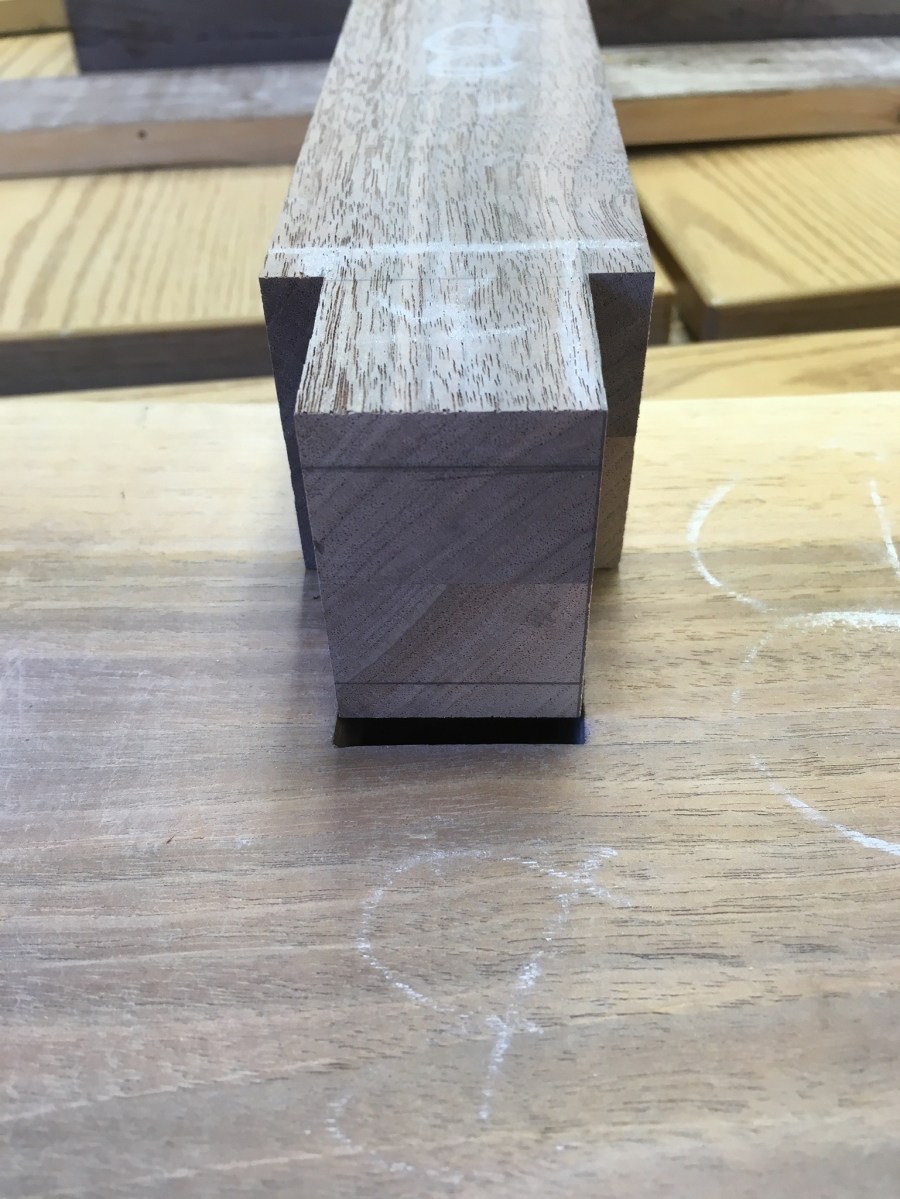
Monday: a Tale of Two Tenons — Ethan

Working in the woodshop has a very laid-back ness to it — today I came in a little before 8:00, worked around a band 2 class, took a break at around 11 to go for a run, got lunch in the dining hall — reveling in my lack of classes — and came back to work for another two hours before packing up and heading home. I suppose that’s just as well, because the work I’m doing now is itself very intense and precise; I experienced both edges of that sword today.

Continue reading “Monday: a Tale of Two Tenons — Ethan”

Family Not Foe – China Day 3

Written and posted March 5th, 2018

Sputtering, the coffee, sweet milk, sugar, and boiling water drip into my cup, the size of a toddler’s. It’s my 5th cup of the day and it’s only 7 AM. I add a couple pork buns and watermelon to my plate and that completes my breakfast. I am still full from dinner and the Hot Pot yesterday.

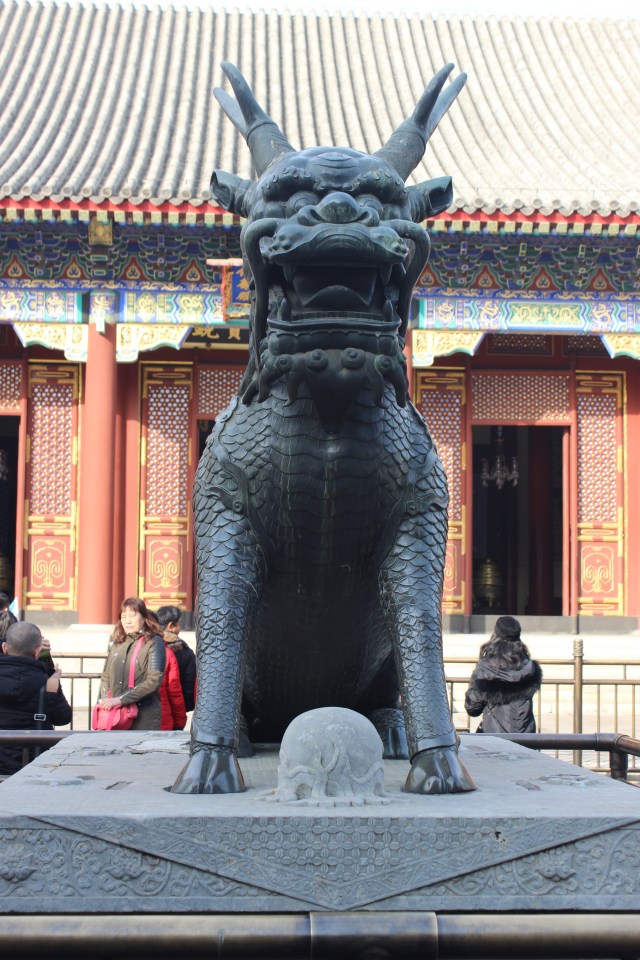
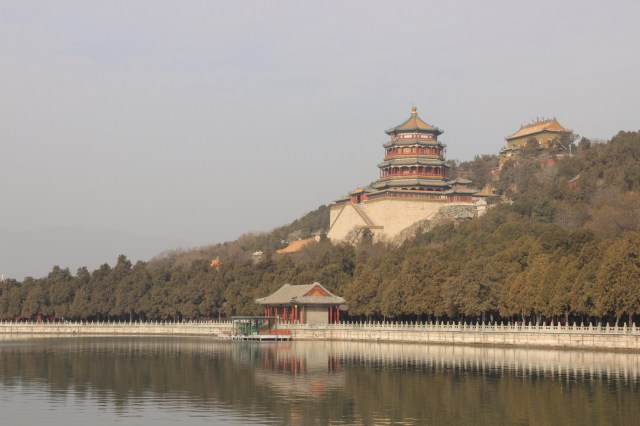
Bundling up, two sweatshirts and a jacket, I head to the bus to start my day. Stepping off the bus I am greeted by an intricate archway to the Summer Palace. As we enter, an older group of people are practicing Taji with a ball and racquet. Our group joins in, but we are not able to keep the ball on the racquet like everyone else. We walk through the Summer Palace that looks over a lake and a mountain with a Pagoda on top. Everything is so beautiful, no wonder the emperor stayed there for most of the year.

Freezing, we rush to the bus, excited to experience a tea ceremony. There are five different teas, oolong, black with lychee, rose, fruit, and jasmine. The person leading the tea ceremony pours the hot water into the mug, leaves swirling around in the midst of creating a delicious drink sliding down your throat and warming you.

My ears pop and mountains flash by as we pull up to the entrance of the Great Wall of China. As I step off the bus I see the long stretch of wall that is more expansive than my line of vision. I begin to climb, my legs burning after only 50 steps. I didn’t think I was that out of shape, but the almost vertical incline has me winded. When I reach the top I feel victorious. The view is spectacular. I am able to see the vast wall and mountains, struggling to tell where and if they end. After taking in all this beauty I finally begin my dissent. While it is terrifying and I slip down it more than I walk, I make it to the bottom still in awe of my accomplishment and the wall itself.

After dinner, we head to a local market and street for shopping. There are so many stores and restaurants. While I want to buy everything there: egg waffle cones, matcha ice cream, churros, crepes and more, I only buy milk bubble tea. The streets are still busting, but it’s getting late and we have a flight to Xi’an tomorrow. Taking the subway back along with all the locals we reach the hotel and check-in for the night.

See you tomorrow!

– Anna

The High Road (day one)

Overview of Day 1: Our day started in Santa Fe, New Mexico, an hour drive from our hotel in Albuquerque. Santa Fe is the capital of New Mexico and has large influences from both the Native American and Hispanic communities. Its buildings are modeled after the traditional adobe structures. This quintessential southwest look makes Santa Fe visually appealing while the arts and culture make it a key destination for many. Following our visit to Santa Fe, we made our way up through the secluded city, Taos, towards our first experience of Native American life on a reservation called Taos Pueblos. Taos Pueblos is a Native American reservation that has a unique and authentic look with it’s adobe structures. The community, in order to turn profits, charges visitors a small fee to walk around a certain part of the reservation and see these unique houses and get a glimpse into native life. After Taos Pueblos, we made our way down the scenic highway called “turquoise trail” or “the high road.”  This drive, for all three of us, was one of the most beautiful and powerful experiences with the natural world. It was full of history, spirituality, and miracles of nature that amazed us all.


Maggie’s reflection on Santa Fe:

We arrived in Santa Fe this morning at around 10, an hour and a half drive from Albuquerque (where we were staying). As soon as you enter the outskirts of the city, the designs of the houses transition into faux pueblo-style houses, modeled after the traditional adobe buildings of the Pueblo people. The area is populated by many white, wealthy artists and celebrities, looking for a remote escape from stardom. After arriving, we parked (for free!) and walked into the center marketplace, where Native street vendors were selling their handiwork. Dozens of extremely wealthy galleries lined the streets of the small city, while Native vendors, some travelling over five hours to arrive at the market, sold their jewelry and other products on the sidewalk of one block of the center market. There was something unsettling about the jewelers sitting in the cold, eagerly selling their art for $10 to $50, while wealthy gallery owners profited from the white fascination and appropriation of Native culture mere yards away.

Each vendor was willing to share their story with extreme authenticity and an eagerness to connect with us as individuals. Though conversations usually started with a simple, “Where are you from?” (always followed with a mandatory “Go Birds!”), they quickly escalated to life stories and family history. The kindness shown to us, tourists with cameras hanging around our necks, was unlike anything I’ve ever experienced living on the East Coast – though I soon learned it was the norm in this area. The face-to-face contact with people from Hopi, Navajo, Zuni, Santo Domingo, Taos, and many other tribes differentiated the marketplace sales from galleries that sell Native work for thousands of dollars, without recognition of the Native people who made it.

Though Santa Fe’s beauty and personality appealed to us visually, its underlying messages to its Native inhabitants revealed a darker truth. The community’s existence – in terms of profit, style, and population – relies on the exploitation of Native people. This first stop of our day gave critical context for the reservations and missions that would been seen later in the day.


Jane’s reflection on Taos Pueblos:

Taos Pueblos is truly a beautiful sight to see. As shown in the photo above, its stacked style of adobe houses is unlike anything you’ve seen before, and they are positioned in beautiful mountains that take your breath away. While a lot of the population lives away from these unique structures in more modern buildings, the traditional adobe pueblos still hold the homes and stores of many natives. The community of Taos Pueblo, in order to generate income, charges a small amount of money to people wanting to visit this unique area. We, like so many other visitors, upon arrival took out our cameras and started shooting. The colourful doors, the unique clay structure, the dusty landscape, and the beautiful mountains all had to be captured on film.

After 10 minutes of photo taking, I took my eye away from the lens to look at what I was so eager to take a photo of. I was suddenly very uncomfortable with every click of the camera. We were taking photos of people’s lives as if they were a play or mural. It was as if we were in a museum, learning about a distant civilization. I wasn’t connecting as a human being but as one species studying another species. I put my camera away and leaned into that uncomfortableness. The truth behind it is that this community had come to an agreement on using their unique landscape as a place to earn money. This system provides jobs and was an intentional choice by the people. The disconnect comes from our approach; when I use the camera instead of my eyes we sometimes lose that ability to connect with others. In some cases, a photo preserves something, but not if it hasn’t been experienced without looking through the camera lens than that moment is not a connection, a relationship, or a moment but rather just the sound of the click and a cool photo to wave around.


Gwyneth’s reflection on The High Road:

At one point as we drove along the turquoise trail, Ed (our guide) told us that the next 50 miles would change our lives. For me, this was absolutely true. The whole experience was unlike anything I have ever encountered and it will be impossible to do it justice in writing. To begin with, the scenery was magical. The road wound through the sprawling mountains, which dominate the landscape. Way up there, looking out the car window down at the valley below, I felt tiny among the astounding vastness of the New Mexico wilderness. But at the same time as I felt completely out of my element and intimidated by the rugged terrain, I also found myself strangely comforted. There is no way to look at beauty like that and not feel blessed to be alive to experience it. Although I am not a particularly religious person, I have no doubt that there is something spiritual about those mountains.

This spiritual element was made manifest by the various mission churches we saw along the trail. All of them were built in the simple and humble style of Spanish colonial architecture. Perhaps even more than the churches, the tiny towns we drove through demonstrated the strong spirituality of the people there – a mix of hispanics, natives, and some caucasians. Murals and graffiti on the sides of buildings show images of Jesus and the Virgin Mary. Colorful graveyards, their thin white crosses decorated with rosaries and fake flowers, sit on the edges of the towns. The mountains are filled with a strong and vibrant spirituality.

By far the most powerful spot we visited was Chimayo, a well-known Catholic pilgrimage site. In one part of the town, seven large stone crosses stand, each adorned with numerous smaller crosses placed there by visitors. Even more small crosses, many containing prayers and images of the Virgin Mary, hang along a fence surrounding this area. Several small shrines stand nearby, where people have hung rosaries and placed candles. Up a hill from this spot, we came across a small church , El Santuario de Chimayo, which was open to visitors. We were not able to take pictures of the interior, and it is difficult to put into words the power it conveyed. In the traditional Latin American style, the religious art conveyed a sense of vibrancy and joy at the same time as it was solemn and thought-provoking. I could have sat inside that little church all day, just taking in the imagery.

My Office For the Week- Cooking with a James Beard Award Winning Chef.

March 4,2018 10:00 P.M. CST

54173282819--FC5A9FB1-17C0-423A-BEAF-3654BB077221

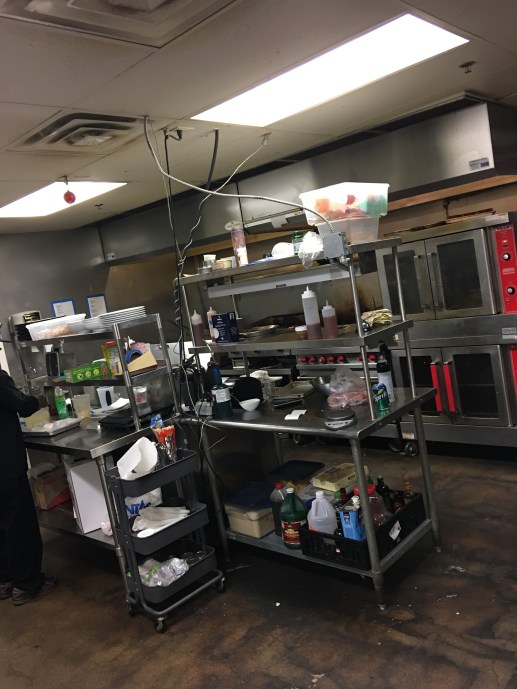
– The Kitchen at the Belfry in Kansas City.

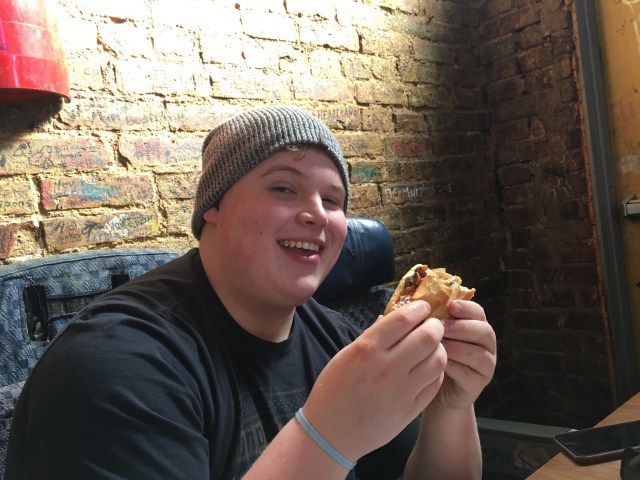
Well it has been a crazy first three days in Kansas City. As soon as I touched down, I knew it was going to be an amazing week. The first real surprise that I received was that within five minutes of getting off of my flight I had my checked bag. This, of course, was a complete first for me, because whenever you fly into a place like Philadelphia it takes at least a half an hour for the bags to get to you. As soon as I had gotten my bag I met with Chef Tio and we were off. The second surprise that I received was where we went for lunch. I would have never thought that I could get a Philly Cheese steak that was good outside of Philly. Boy I was wrong. Below is me enjoying a piece of home in Kansas city. (They even import the right rolls from Philly so it’s a true Philly cheese steak.)

IMG-5591 After that we headed over to the Belfry to open up, and get prep done before shift. That is when I met Keith who works in the kitchen, and John & Dan who are the bartenders. It just happened to be First Friday in KC, which is a giant arts night around town, so they told me to be ready for anything. Most of my night included making different types of dough, deviled eggs, and running food. We left early that night due to me almost falling asleep after eating my dinner because I was tired from traveling. As soon as I got back to Chef’s house I got in bed and fell asleep. Saturday began with me sleeping in until around ten-ish. Today was a long day ahead of me. Between working again that night Chef and I went and did most of the shopping for the restaurant. This also meant we had to go to the restaurant Depot. As we pulled into the parking space Chef told me, “If you hear beeping get the heck out-of-the-way, because they have these forklifts go way too fast and the will run over you.” Just towards the end of the shopping, I almost did get run over. Then it was back to the belfry to begin service. We stayed pretty late working in the kitchen due to a few massive waves of people coming for dinner. Luckily Sundays are an off day so we could relax tomorrow. Well I was somewhat right.  In between picking up Yiheng who is another senior doing the project with me, and him suggesting that we go to a doctoral piano recital; we got a run in at the local park.  And here we are back to work tomorrow. I cant wait to see what this week has a head of me!

–  Noah

Is Ireland my True Homeland?

March 4th, 2018

Hello everyone! My name is Sarah Murray, I’m a senior and part of the class of 2018 at Westtown and about to embark on my Senior Project. I’ve been attending Westtown since I was in kindergarten and to say that I’ve been looking forward to this week for a long time would be an understatement. Currently, I’m in the international airport terminal at Philadelphia waiting to board for my flight. You might be wondering where I’m going (if you didn’t read my blog post title). Well, after several lengthy conversations with my parents and swim coach, I decided that I would go on an independent Senior Project and travel with my father to Ireland to research my family heritage. My grandfather would constantly talk about my family history and our family members who still lived in Ireland. He was so passionate about the subject that I decided to go back to visit “homeland” and see what’s so special about Ireland. Plus I’ll be able to have consistent pool time in Ireland so I can continue my training for my Swim Championship which is the first weekend in April.

I will be landing in Dublin sometime Monday morning around ten. From there I’ll be driving to a small town outside of Belfast called Ballyclare where my aunt and uncle Rachel and Stephen Deyermond live with their daughter Martha. I’ll be spending a couple of days with them before visiting my family homestead in Ardrahan. My great-grandmother who I’m named after grew up in this homestead with her nine other siblings before she immigrated to the United States in 1937. After this part of the trip, I’ll travel to some other cities and towns, such as Donegal and Port Stewart in Northern Ireland. I’ll also be visiting some of the sites where they film the popular television show Game of Thrones since I’ll be in the area. I hope that by traveling to Ireland for my Senior Project I’ll feel more connected with my ancestors, my larger family, and come to understand why my grandfather felt so connected to this magical place that he would often reference as my homeland. 

Signing off for now!

~Sarah