Although I’ve been excited for my entire trip, there was one day in particular that I was especially eager for: Saturday, the day I would finally get to visit Tintagel, Arthur’s birthplace. The castle (which is now in ruins) is currently only open to the public on Saturdays and Sundays, so I actually shaped my entire itinerary around getting to the Cornish coast for the weekend.
After meeting Jo, the landlady/bartender at the local pub in Camelford (another supposed location of Camelot that’s about ten minutes from the coast), we knew the best way to get to the ruins: by parking at the top of the Glebe Cliff and walking down. The views were absolutely phenomenal, especially once we reached the castle itself and the sun came out. Since we were right at the sea—Tintagel Castle was built on this little peninsula off the coast of the rest of Tintagel, making it extremely defendable—it was even windier than the previous day, but it was worth it. In addition to being occupied between the 5th and 7th centuries during Arthur’s time, Tintagel had been used as a settlement for thousands of years, so we had the opportunity to see ruins from a variety of time periods.
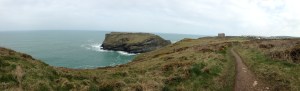 (This is the view walking to the ruins)
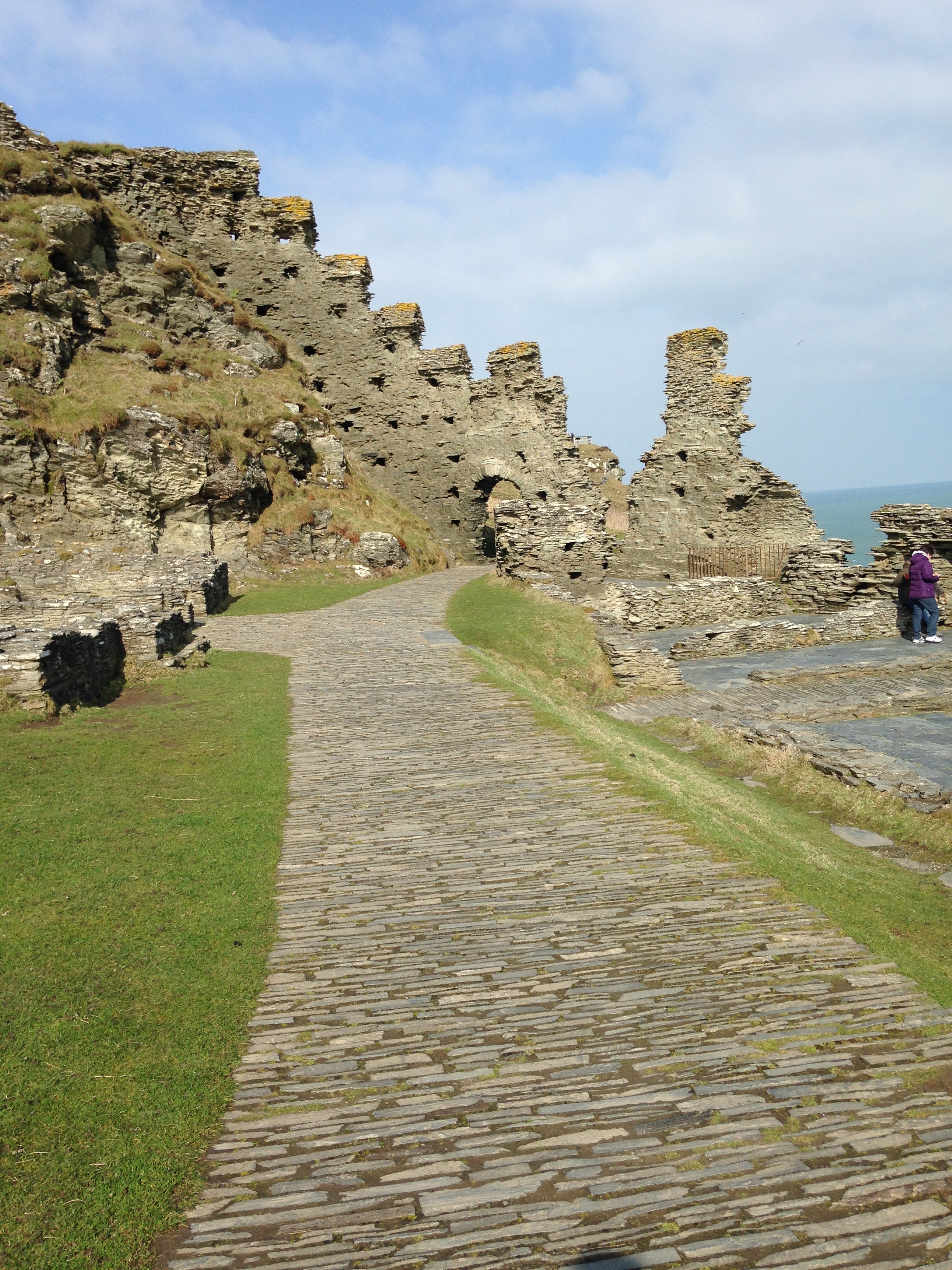 (Some of the ruins)
 (This is the view from the very top, in the distance, the very tiny building is where we parked our car)
(This is the cove right at the ruins, the cave is called Merlin’s Cave)
Visiting the castle took our entire morning, but in the afternoon we visited another location that I had also been anticipating: King Arthur’s Great Halls. The Halls were created by Frederick Thomas Glasscock in the early 1930s and are decked out by specially made paintings by William Hatherell depicting scenes in Arthur’s life and 73 stunning glass windows made by Veronica Whall.
Our visits to the Halls began with a narrated light show of King Arthur’s life (based on the L’Morte D’Arthur version) before we were able to go into the Great Hall itself. There were paintings, stained glass windows, and suits of armor everywhere, as well as displays explaining various Arthurian facts. The Halls had their own Round Table, with the names of 12 knights carved into it, and many of the stained glass windows were the shields of various famous (and not-so well known) knights of Camelot.
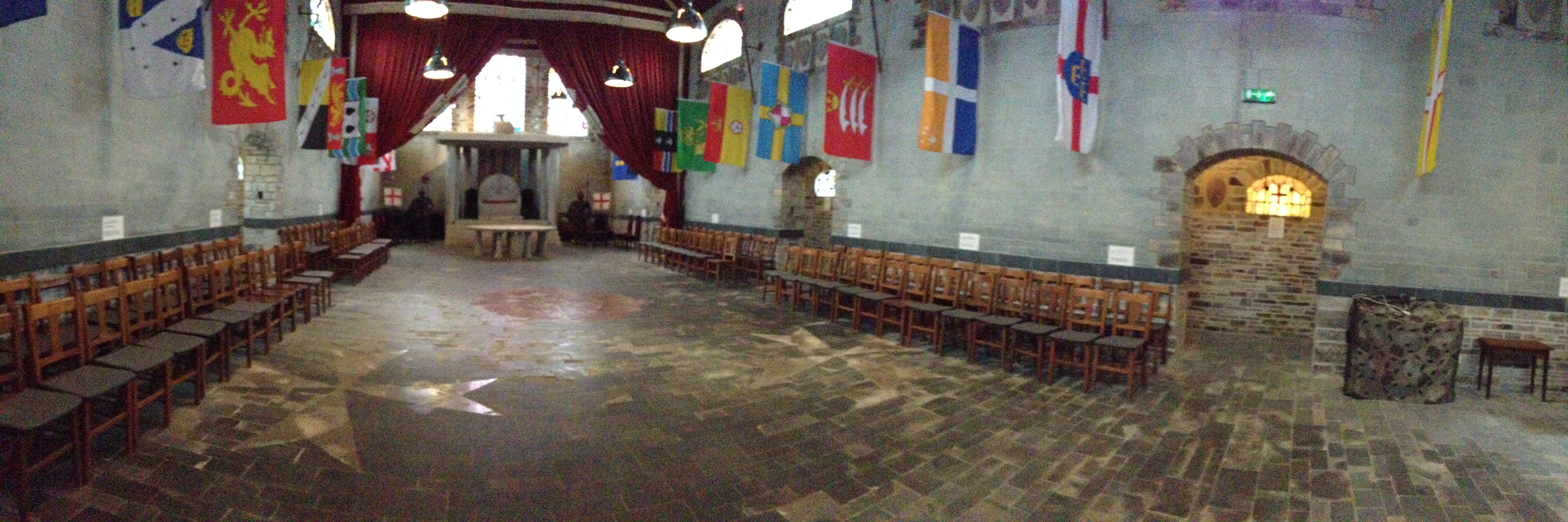 (The Great Hall part of the Halls)
My favorite part was how each stained glass window had a description, explaining the background information behind the symbol—particularly the histories of various knights. It was great to see the legends all compiled in one place; the Halls were the first and only place I visited to truly go into such detail and depth about the legends. It wasn’t merely a place that had been associated with Arthur, it was dedicated to Arthur and only made possible by Glasscock spending a small fortune.
Saturday also marked the last true ‘Arthurian’ day I would spend in England. Although my dad and I remained in England until Tuesday, the rest of our stops were only distantly associated with Arthur, and were basically just a way of breaking up the return journey to London. We stopped at Bath (a possible location of the Battle of Badon, Arthur’s 12th battle), Avebury Henge (a stone circle), and Marlborough (a supposed location of Merlin’s grave), before returning to London and flying home.
Sarah





 You start with an old soda bottle, drill two holes in the cap, insert a tube in one, fill bottle with water. Give it a gentle squeeze and gravity will help the water flow. We also learned about the causes of diarrhea (contamination with fecal matter via flies and dirty hands, etc) and how to treat dehydration, especially in small children.
  Electrolyte mixture as prescribed by the department of health.
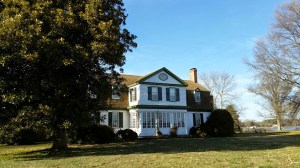 It’s on the banks of the York river on two sides and is absolutely stunning. It’s not often that people get to work on sites like this. Toddsbury, until Thursday, had never had any real archaeology done. The only reason we knew where to look was from a very undefined map drawn up when a brick foundation was discovered while workers were putting in a utility line some fifty years ago. We spent most of the first morning just trying to figure out how we were going to go about setting up Shovel Test Plots (one-by-one foot holes that go down until you reach subsoil, the water table or four feet, whichever comes first= STP.)
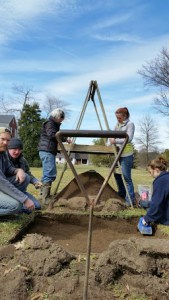 Just to make it clear, FIVE brick foundations in one day happens maybe once on a lifetime, if that. We had no idea the day would be so successful. Thursday we came back and started a test unit, in this case a five by five foot hole which we placed to cover two foundations which were only one foot apart. It was a beautiful and day very successful, and I really hope we can get back there before I leave. Saturday we were suppose to go to Walter Reed’s Birthplace but because of bad rain we canceled, so I ended up lying in bed trying not to move so my muscles wouldn’t hurt. Honestly Archaeologists would make great body builders. You may not think so just watching but try a day on the job and I promise you’ll be in pain by the end. But no pain, no discovery. Today my hosts, The Browns, and I went into Colonial Williamsburg to go see the Oyster Rick that had been built in the Brickyard.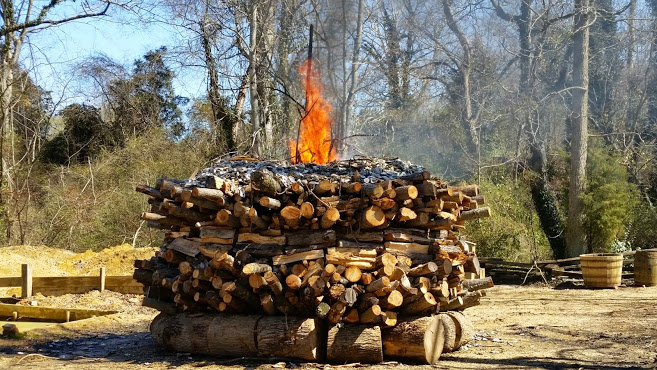


 Westtown Senior Projects' Blog